






POS Integration in Retail and Common Challenges in Japanese Market
29/04/2026
619
POS software integration matters because the point-of-sale system no longer sits at the edge of retail operations. In modern retail, it affects inventory visibility, product data, ecommerce coordination, loyalty programs, reporting, and customer experience across channels. In Japan, that challenge becomes more important because retailers are under pressure to modernize, improve data consistency, and support omnichannel operations without disrupting highly structured day-to-day store operations. GS1 Japan’s materials highlight the long role of POS-driven standardization in distribution efficiency, while METI has also emphasized the urgency of DX in retail.
Many retailers first think about POS integration as a system connection problem. In practice, it is usually a broader operating-model issue. The project may involve old store systems, ecommerce platforms, ERP, CRM, loyalty, payment workflows, and internal reporting tools that were adopted at different stages of growth. That is why POS integration projects often reveal deeper modernization needs rather than ending with a simple connector implementation.
Why POS Software Integration Matters More Than Many Retailers Expect
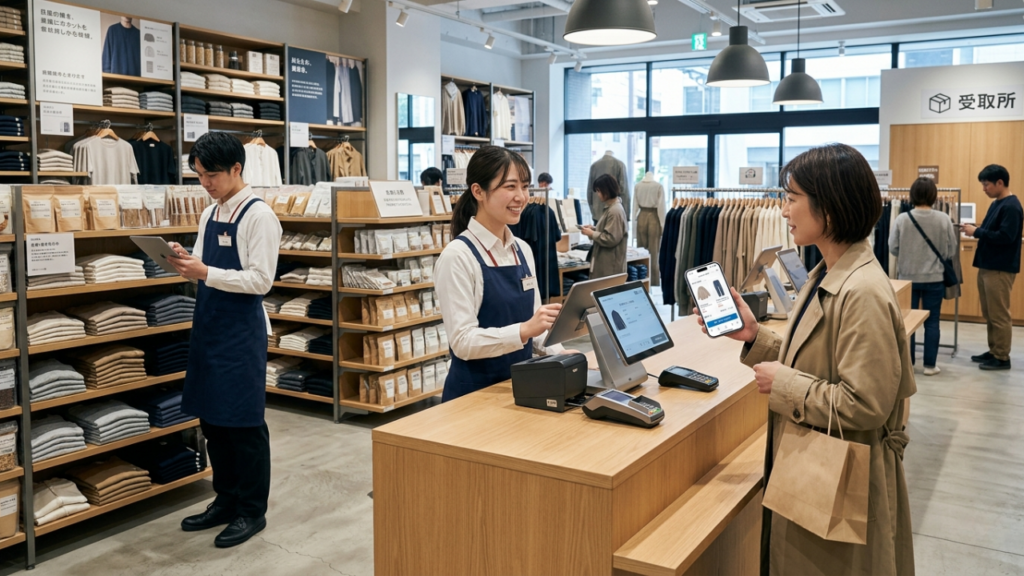
A POS system sits close to the transaction, but the value of its data depends on where that information goes next. If POS data is not connected well to inventory, product information, ecommerce, finance, and customer systems, retailers often struggle with delayed reporting, incomplete stock visibility, inconsistent promotions, and fragmented customer insight.
This becomes even more important in omnichannel retail. McKinsey notes that Japanese shoppers increasingly use online channels while still valuing the in-store experience, which means retailers need systems that can support a more connected customer journey rather than treating store and digital channels separately.
A good example is Daiso. AWS says the company built a serverless centralized POS data processing system and introduced analytics tools that made dashboards available broadly across the organization. That illustrates the larger point: POS integration is not only about checkout operations. It is about turning transaction data into something operationally useful across merchandising, purchasing, and product development.
What POS Software Integration Actually Means in Modern Retail
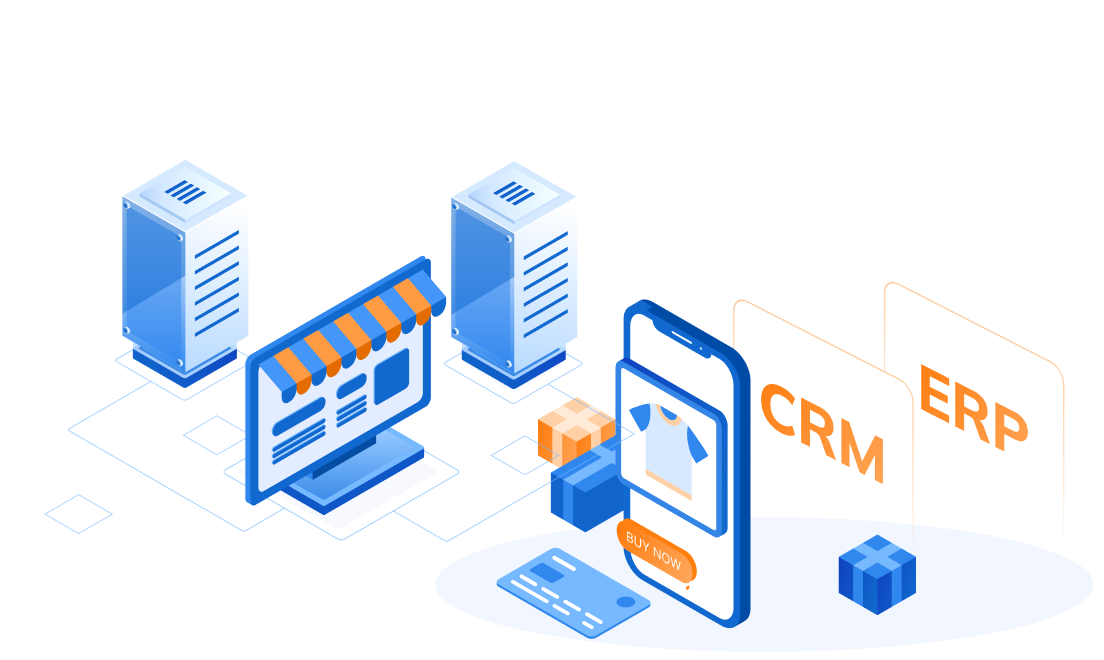
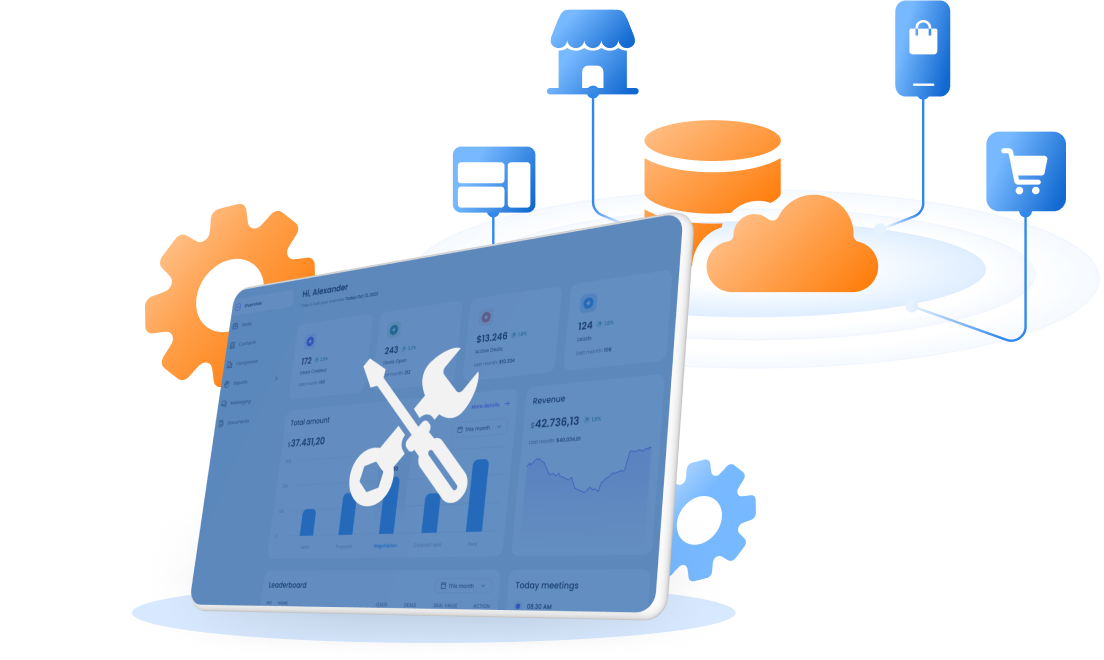
In modern retail, POS software integration usually means connecting transaction data and store operations with the wider business stack. That can include ecommerce platforms, inventory systems, ERP, CRM, loyalty databases, promotions engines, finance, and analytics environments.
For decision-makers, the important distinction is this: successful integration is not just about data transfer. It is about making sure the data is timely, structured, and usable across teams. That is why a retailer can technically connect systems and still get weak results. If product codes are inconsistent, update timing is unreliable, or store and digital channels follow different data rules, the integrated environment may still be hard to trust.
Common Challenges of POS Software Integration in the Japanese Market
Legacy systems still shape the retail environment
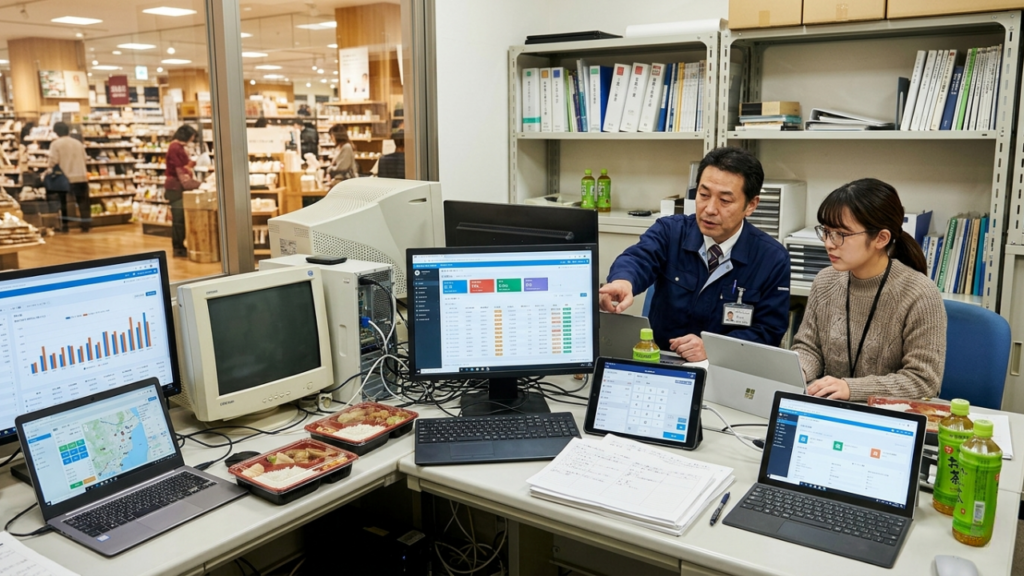
One of the biggest challenges in Japan is that many retailers are not integrating inside a clean, newly built architecture. They are working with a mix of existing POS environments, internal business systems, and store operations that cannot be disrupted easily. That makes POS integration less of a greenfield project and more of a modernization effort.
This matters because older systems often contain business-critical logic that has grown over many years. Replacing them immediately may be unrealistic, but integrating around them without a plan can create even more complexity. In practice, many retail projects in Japan succeed by modernizing in phases rather than trying to rebuild everything at once.
Omnichannel expectations increase integration complexity
Japan’s retail environment still places high value on physical stores, but shopper behavior increasingly crosses channels. McKinsey’s work on Japan’s luxury market highlights this omnichannel dynamic clearly. Even though the article focuses on luxury, the broader signal is useful: the Japanese market is not moving toward store-only or online-only retail. It is moving toward connected experiences.
For POS integration, that means store transactions cannot stay isolated. Pricing, inventory, promotions, loyalty logic, and customer history increasingly need to work across channels. That is where many retailers discover that POS integration is not a back-office IT task. It is part of customer-experience infrastructure.
Standardization and data consistency are harder than they look
Retail integration often fails quietly at the data level. Product identifiers, transaction structures, promotion rules, and inventory definitions may differ between store systems and digital systems. For retailers, the lesson is simple. Integration quality depends not only on APIs and middleware, but also on whether the data model is disciplined enough to support store operations, reporting, and future scalability.
Operational reliability matters as much as feature expansion
Retailers in Japan often operate in environments where stability and execution quality matter just as much as innovation. A POS outage, sync failure, or pricing mismatch can affect store operations immediately. That is why integration design should not focus only on adding new capabilities. It also needs to protect operational reliability.
This is one reason phased implementation is often more practical than aggressive transformation. The business needs a rollout model that improves connectivity without creating unnecessary disruption at store level.
What Retail Decision-Makers Should Evaluate Before Starting a POS Integration Project

Before starting a POS integration project, retail decision-makers should look beyond the connector or software layer and assess the broader business environment around it. In many cases, the real difficulty does not come from linking one system to another. It comes from trying to connect store operations, product data, inventory logic, ecommerce workflows, and internal reporting in a way that remains stable under daily business pressure.
The first thing to evaluate is system priority. Not every connection needs to happen in the first phase. Retailers usually get better results when they identify which systems matter most to operational continuity and customer experience, then sequence integration around those first. For some businesses, that means POS and inventory. For others, it may mean POS, ecommerce, and promotions. A strong starting scope should reflect business impact, not just technical convenience.
The second point is data consistency. POS integration can look successful at the system level while still creating confusion at the business level. If product codes, pricing logic, inventory definitions, or transaction formats are not aligned across systems, the integrated environment may still be difficult to trust. This is why decision-makers should evaluate whether the current data structure is clean enough to support integration, or whether standardization work needs to happen alongside the project.
The third point is legacy system constraints. Many retailers are not integrating in a newly built architecture. They are working around older POS environments, ERP systems, or store processes that continue to support critical operations. If those constraints are not assessed early, the project may either slow down unexpectedly or create fragile workarounds that become harder to maintain later. In that sense, a POS integration project is often partly a modernization project as well.
The fourth area is rollout risk. In retail, the success of integration is not measured only by whether the system works in testing. It is measured by whether store operations remain stable during rollout and whether teams can actually use the new setup with confidence. That is why decision-makers should assess the operational impact of the project, including timing, training needs, fallback planning, and the level of change introduced at store level.
Finally, they should evaluate the delivery model itself. POS integration touches operations, IT, finance, commerce, and sometimes external vendors. If ownership is unclear or execution lacks structure, the project can drift even when the technical plan seems sound. The right delivery approach should support clear priorities, phased implementation, and long-term maintainability rather than focusing only on launch speed.
Read related blogs about POS Integration:
- Marketing Automation System Design, How Scalable Automation Platforms Are Built
- Discover Effective Data Integration Solutions for Customer Data Platforms
Why the Right Technology Partner Matters
A POS integration project can look straightforward at the planning stage, but the real complexity usually appears once the business starts connecting store systems, inventory logic, ecommerce workflows, reporting, and older internal platforms. That is why partner choice matters. Retailers do not only need a team that can connect systems. They need one that can understand which parts of the environment should be stabilized, modernized, or phased carefully so the project remains useful after launch.
This is where the difference between implementation support and broader delivery capability becomes important. A technical team may be able to build integrations, but a stronger technology partner should also help the business think through rollout priorities, data consistency, legacy constraints, and long-term maintainability. In retail, that broader view matters because a weak integration decision can create operational friction across multiple teams, not just inside IT.
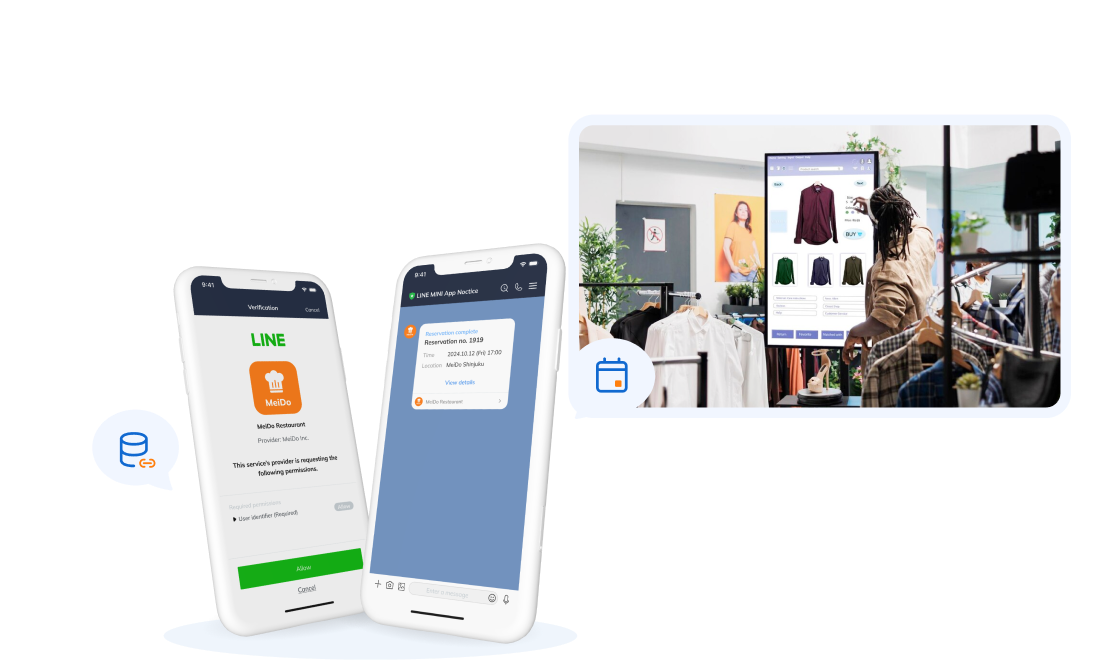
A good example is ZeroRegi, a mobile ordering and POS platform used in Japan’s F&B industry. According to SupremeTech’s case study, XERO partnered with SupremeTech when ZeroRegi began struggling under peak-hour traffic as the platform expanded to serve major restaurant clients in Japan. The work did not stop at fixing one technical issue. SupremeTech first stabilized the backend and optimized infrastructure costs, then built a new admin portal, improved the store staff app and customer ordering web app, and later helped modularize the system into a white-label model for broader scale. The platform was also prepared for future expansion, including LINE Mini App integration and regional growth beyond Japan.
That case shows why the right partner matters in practice. POS integration often sits inside a wider modernization journey. A retailer may need to connect store operations with ecommerce, improve data flow between older and newer systems, and create a more scalable architecture for future omnichannel growth. In ZeroRegi’s case, the challenge was not only to keep the system running, but to turn it into a more stable, high-performing platform that could support business growth. SupremeTech’s work helped XERO move from system stress and limited technical resources to a more scalable white-label POS solution that retained major clients and supported expansion.
For businesses evaluating this kind of project, that broader capability is what makes a difference. SupremeTech is relevant not only as a development provider, but as a partner that can support the surrounding work that makes POS integration successful, including retail platform integration, system modernization, custom digital product development, and offshore development support. The goal is not just to complete the integration. It is to make sure the integration supports a more stable, maintainable, and scalable retail environment after the project is done. Contact SupremeTech now!
Conclusion
POS software integration is easy to underestimate because it often begins as a system connection project. In retail, especially in the Japanese market, it is usually much more than that. It affects store operations, data consistency, inventory visibility, omnichannel coordination, and the long-term ability to modernize without disrupting daily business.
That is why the strongest POS integration projects are not defined only by whether systems can connect. They are defined by whether the integration model can support reliable operations, cleaner data flow, and future retail growth at the same time. For decision-makers, this means looking beyond short-term implementation and treating POS integration as part of a broader retail platform strategy.
FAQs Section:
POS software integration connects the point-of-sale system with other retail systems such as inventory, ecommerce, ERP, CRM, loyalty, and reporting tools so data can move more consistently across the business.
It is important because disconnected POS systems can create weak stock visibility, delayed reporting, fragmented promotions, and poor coordination between store and digital channels.
It is often challenging because retailers must balance legacy systems, highly structured store operations, data consistency, and growing omnichannel expectations at the same time.
They should evaluate system priority, data consistency, legacy constraints, rollout risk, and whether the delivery model can support long-term maintainability.
Many POS integration projects reveal older systems, data structures, or workflows that need modernization. In retail, integration and modernization often need to move together.
SupremeTech can support POS integration through retail platform integration, system modernization, custom digital product development, and offshore development support for scalable retail delivery.