









How to Build Customer Loyalty Through a Consistent Shopping Experience
29/09/2026
9
On Friday afternoon, a shopper finds a jacket in her size and orders it for store pickup. The website says it will be ready the next morning, so she makes a trip across town. At the counter, the staff cannot find it. She contacts support on the way home, repeats the story, and then spends the next few days checking whether her refund has arrived. A week later, the retailer emails her a 15% discount.
Would she use it? Perhaps. But if she still cannot trust the stock information or get a straight answer about her refund, a discount is a weak reason to try again. For retail brands wondering how to build customer loyalty, this is where the work often begins: with the ordinary moments that make another purchase feel easy, or risky.
The shopper in this story is hypothetical, but the decisions are familiar. A retailer cannot prevent every mistake, and a loyalty program can be useful. What matters first is whether the experience gives people confidence that the next purchase will go well. Here is how to find the weak points, improve them, and see if customers return.
Where Customer Loyalty Breaks Down in the Shopping Journey
The retailer in our story might log the missing jacket as a stock issue, the repeated explanation as a support issue, and the refund as a payments issue. To the shopper, though, it was one journey. She believed an item was waiting for her, made the trip, and then had to do more work to put things right.
Before planning another campaign, trace a recent purchase from the customer’s point of view. What did the product page promise? What did the order confirmation say? Did the store or delivery team have what they needed to keep that promise? And if something went wrong, how many times did the customer have to ask for help?
You do not need a perfect view of every customer interaction to begin. Read support conversations alongside cancellation reasons and store reports. Look for repeated journeys where the customer waits, travels unnecessarily, hears conflicting information, or has to explain the same issue twice. Customer interviews can help you understand the effort behind those records.
| Shopping moment | A sign of trouble | What to check |
| Before purchase | The item or delivery option looks available but cannot be fulfilled | Stock corrections, cancelled orders, product questions |
| Pickup or delivery | The customer arrives or waits, but the order is not ready | Late pickups, delivery exceptions, staff reports |
| Return or exchange | The shopper contacts the brand more than once for the same issue | Refund delays, repeat contacts, escalations |
| Next visit | Staff cannot see what happened in another channel | Conflicting order statuses, unresolved cases, customer feedback |
Pick a problem that happens often enough to matter and that a team can actually change. If the jacket was never reserved, for instance, the useful fix starts with the pickup promise. More points will not make an unavailable item appear.
- What Is Customer Loyalty Really? Why Retail Brands Should Stop Measuring Loyalty by Points Alone
- Building Customer Loyalty in Retail Through Technical Architecture.
How to Turn a First Purchase into a Repeat Purchase

A first-time shopper is learning whether the retailer’s words match what happens after checkout. Clear product details help her decide what to buy, while accurate availability and realistic pickup times help her decide when to buy it. If those details are unreliable, the disappointment starts well before a support ticket is opened.
In the jacket example, the site could wait to say “ready for pickup” until a store employee has found and reserved the item. If the store cannot fulfill the order, the customer should hear that before leaving home, along with a useful alternative. That may be another nearby store, delivery, a different size, or a prompt refund, depending on what the retailer can genuinely offer.
This is less glamorous than launching a new reward, but it affects the basic question behind a second purchase: “Will it be easier next time?” A 2026 study in the Journal of Distribution Science surveyed 314 Vietnamese e-commerce customers and found associations between fulfillment factors, satisfaction, and reported intention to repurchase. It did not track actual repeat orders, so the practical takeaway is to investigate how fulfillment affects your own customers, rather than assume the same result for every retailer. The only way is to figure out with the promise customers rely on most in your business. For an apparel brand, that might be size and stock accuracy; for a grocery chain, it could be pickup timing or substitutions. Then agree who checks that promise and who alerts the customer when it cannot be kept.
How Returns and Complaints Affect Customer Retention
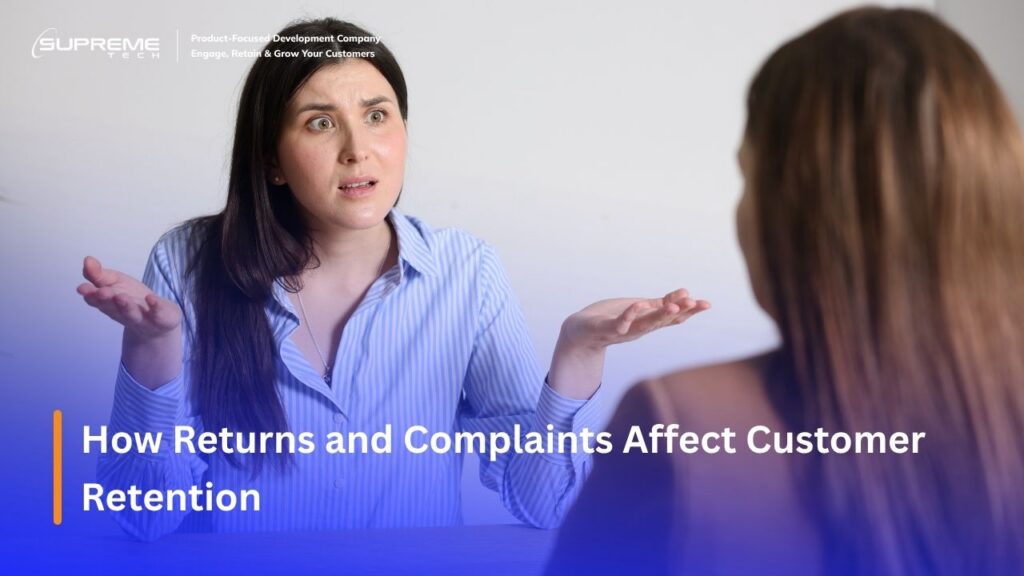
Imagine the shopper has accepted that the jacket is unavailable. Now she wants to know when the refund will reach her account. The store says support owns it, support says the refund has been processed, and the order page still says “pending.” Each answer may reflect a different system, but together they leave her wondering whether anyone is following through.
Returns and complaints often shape a customer’s memory of the purchase because they reveal what happens when the easy path fails. In the National Retail Federation’s 2025 returns survey, 71% of 2,006 respondents who had returned an online purchase in the previous year said a poor returns experience made them less likely to shop with that retailer again. This measures what respondents said they were likely to do, not how many actually stopped shopping.
Make the next step clear to the customer
When someone reports a problem, tell them who is handling it, what can be done, and when they will hear back. Give store and support teams a way to see the same case and enough authority to settle routine issues. If a refund will take several days, explain the timing and update its status so the shopper does not have to chase it.
The outcome matters as much as the tone of the reply. A 2025 Journal of Brand Management study examined how fairness in both the result and the resolution process relates to satisfaction after a service failure, as well as engagement and loyalty. A fast apology cannot do all the work if the customer still has no fair resolution.
Fix the reason people needed help
Once the shopper has received her refund, the team can close her case. It should also ask why she needed one. If inaccurate stock counts keep sending people to stores for missing items, the underlying rule needs an owner and a fix. Otherwise, support becomes very good at apologizing for a problem the business continues to create.
How to Create a Consistent Shopping Experience Online and In Store
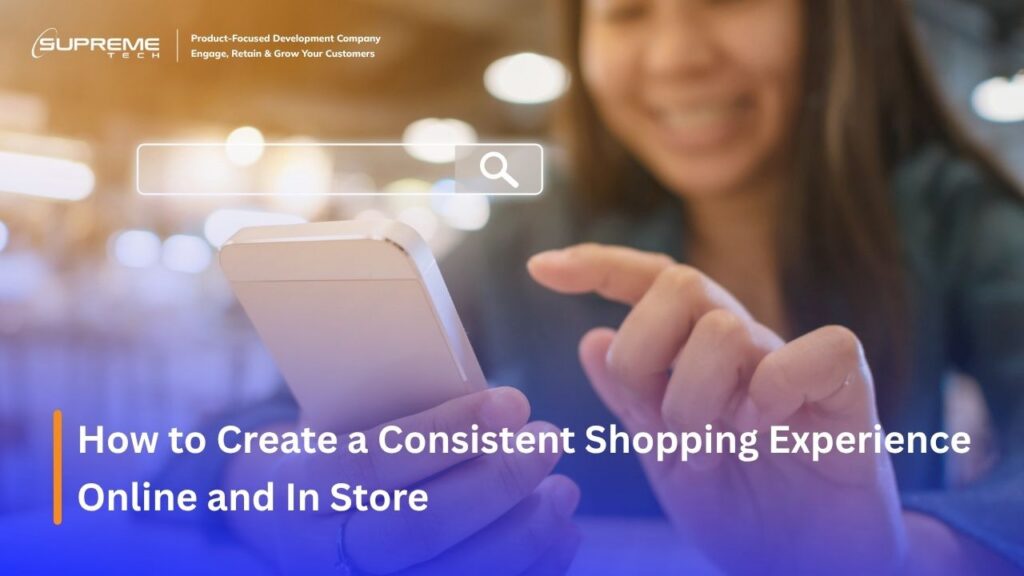
The next time our shopper sees a jacket she likes, she may check it online and then visit a store to try it on. If the store team can see her earlier pickup issue, they can answer questions about availability with the right context. If they cannot, she may have to start the conversation from the beginning, just as she did with support.
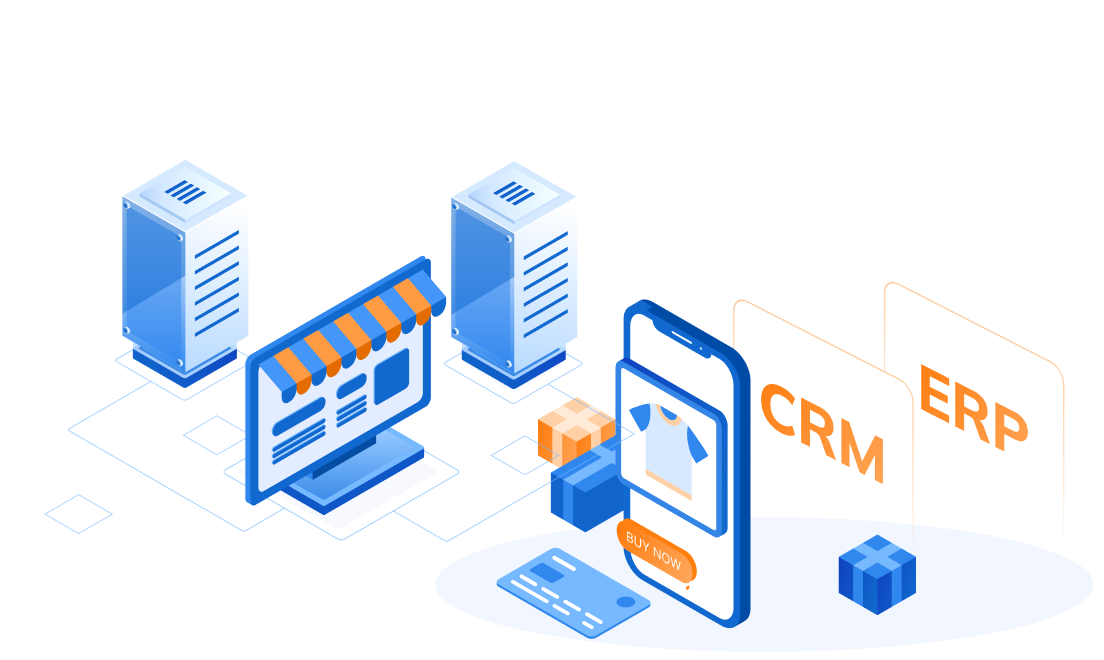
Customers do not think of an app order, a store pickup, and a refund as separate company systems. They expect the relevant information to follow the order. For retailers, that means deciding which system holds the reliable status of each event and making it available to the people who need it. A store employee should know whether an item has been reserved. A support agent should know whether a refund is still pending. The customer should not receive an “all resolved” message while her account shows otherwise.
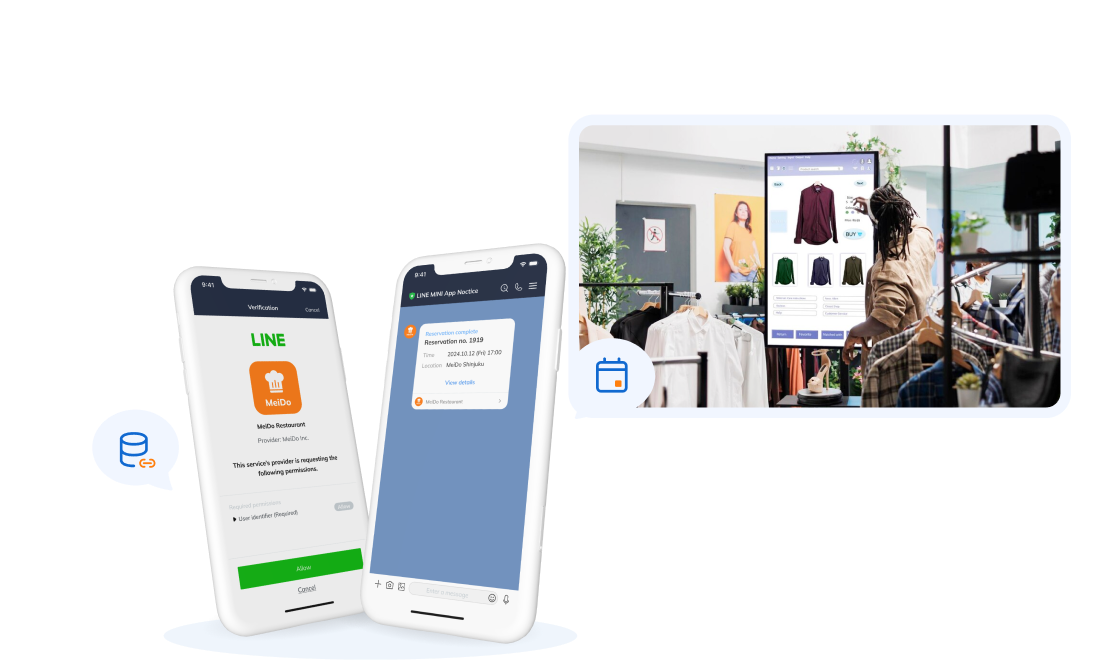
The work can begin with one journey, such as online ordering followed by store pickup, rather than a complete rebuild. Map the handoffs, decide how quickly updates need to appear, and check what staff can see when a customer asks for help. SupremeTech’s retail app case study describes work involving a Japanese restaurant chain’s app, points gateway, and online ordering. It shows the kind of integration involved across these touchpoints, although the published case does not report a measured loyalty lift.
Read more: Customer Loyalty Management in Retail: Aligning Your Team, Data, and Experience.
What Makes Customers Come Back to a Retail Brand?
Once the retailer can keep its core promises, it can think more carefully about what would make a second purchase worthwhile. An apparel shopper might appreciate easy access to a size that fit before or a helpful alteration service. Someone buying homeware might return for care advice or replacement parts, while a grocery customer may value a saved list that makes the next pickup quicker.
These are examples, not a menu every retailer should copy. The right benefit depends on what customers ask for, how often they buy, and what the business can deliver reliably. A useful service that works every time may mean more to a shopper than a generous offer that fails at checkout.
Rewards and campaigns can support the experience when they solve a clear problem. If a shopper is close to a relevant benefit, a reminder may help. If she has been absent because a refund is unresolved, though, sending a win-back coupon first misses what she needs. The retailer should settle the issue and then decide whether another invitation is appropriate.
Read more: Customer Loyalty Campaigns: Strategy, Examples, and How to Improve Retention.
How to Measure Customer Loyalty After Improving the Experience
Suppose the retailer changes its pickup process so stores confirm orders only after reserving the item. The first sign of progress should be fewer failed pickups. Staff should also spend less time searching for missing orders, and fewer shoppers should need to contact support about the same purchase. Those measures show whether the fix works as intended.
Next comes the harder question: do affected shoppers return? Follow comparable groups of first-time pickup customers over a period that makes sense for the category and look at their second-purchase rate. A winter coat and a weekly grocery order should not be judged on the same timetable. If the change reaches some stores before others, compare similar stores while considering promotions and seasonality. You can learn from the rollout without delaying anyone’s refund or resolution for the sake of a test.
Keep a short record of the decision: the customer problem, the team responsible, the change made, what happened to the immediate failure, and what happened to later purchases. Include the cost of the fix. If reliability improves but repeat purchasing does not, the team has still removed an avoidable problem, and it can investigate what else influences the next visit instead of claiming a loyalty win it cannot demonstrate.
Read more: Customer Loyalty Analytics: 5 Metrics Retail Brands Should Track Beyond Repeat Purchases.
Conclusion
The shopper with the missing jacket may never use that discount. What would give her a better reason to return is knowing that the next pickup will be ready and that, if something goes wrong, someone will make it right without sending her in circles.
That is a practical place to build customer loyalty: find one promise that repeatedly fails, make it dependable, and see whether customers choose to shop with you again. When the problem lies between your store, app, and online systems, SupremeTech’s Omnichannel Retail Solutions can help connect those parts of the experience.
Frequently asked questions
Make buying again feel worthwhile and dependable. Accurate product information, reliable fulfillment, helpful service, and fair problem resolution give customers reasons to trust the next purchase, even when there are no points to earn.
Look for a recurring problem that customers notice and your team can change. A false pickup promise, an unclear return process, or repeated refund delays can be a better starting point than a new campaign. Use support records and customer feedback to confirm the issue.
A clear and fair return process can reduce the effort customers face when a purchase goes wrong. It does not guarantee that they will return, so check both the resolution experience and their later buying behavior.
Agree where order, inventory, pickup, return, and refund statuses are recorded. Then make the relevant information available to staff and customers across channels, with timely updates and appropriate access.
Measure the problem you changed, such as failed pickups or repeat support contacts, and then follow comparable shoppers to see whether they make another purchase. Use a timeframe that suits the product and account for promotions, seasonality, and the cost of the fix.