





How AI-Driven Retail Software Development Powers Personalized Marketing Platforms
05/05/2026
521
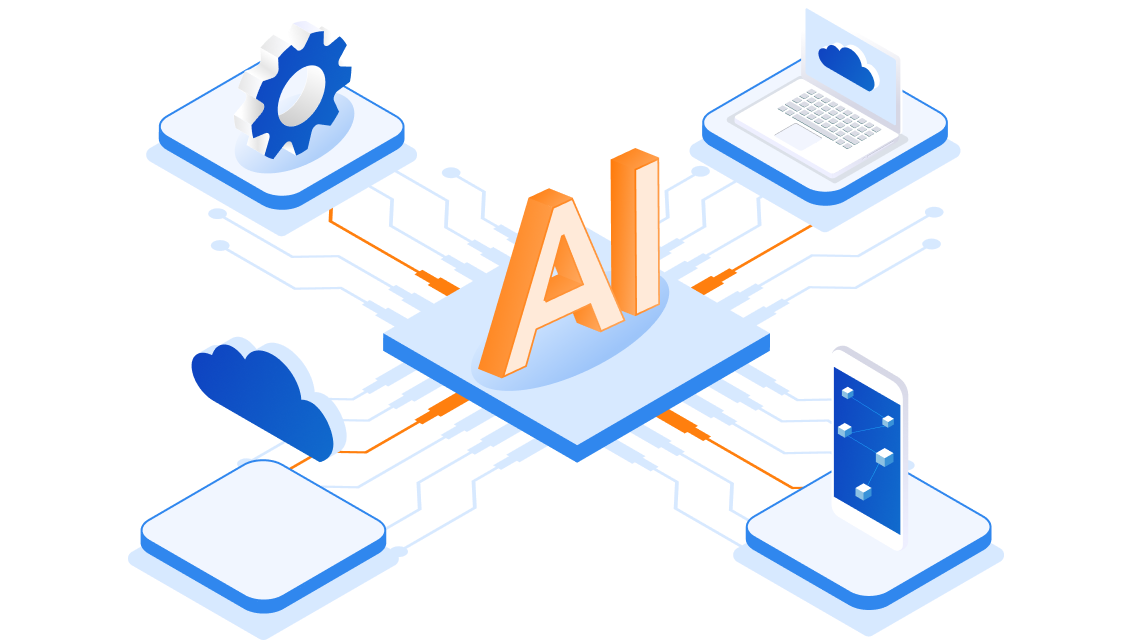
AI-Driven Retail Software Development Powers Personalized Marketing Platforms by enabling retailers to deliver marketing experiences that feel tailored to each customer’s preferences and behavior. AI-driven systems make this possible by analyzing large volumes of customer data, learning behavior patterns, and generating personalized content and recommendations automatically.
For retail leaders and marketing professionals, understanding how these technologies work and why they matter is essential to staying competitive. This article explains what AI-driven retail software development means, what personalized marketing platforms are, and how AI helps power intelligent and effective customer engagement.
What Is AI Driven Retail Software Development
AI driven retail software development refers to the process of building retail technology solutions that use artificial intelligence to analyze data, automate decisions, and improve customer interactions. Instead of relying only on manual programming or fixed rules, these systems learn from data and continuously improve their performance over time.
In traditional retail software, features such as promotions, product recommendations, or customer segmentation are usually configured manually. This means marketers must define rules in advance and update them frequently. AI driven software changes this approach. Algorithms analyze large amounts of data including browsing history, purchase records, and customer behavior to identify patterns and automatically adjust marketing actions.
This type of software development often includes several AI technologies:
- Machine learning models analyze historical data to predict what customers are likely to buy next.
- Natural language processing helps systems understand search queries, reviews, and conversations with customers.
- Predictive analytics estimates demand, customer lifetime value, and marketing effectiveness.
The main difference between traditional retail software and AI driven retail software development is adaptability. Traditional systems follow predefined logic, while AI based systems continuously learn from new data and improve personalization, pricing strategies, and marketing performance.
What Are Personalized Marketing Platforms
Personalized marketing platforms are technology systems that help retailers deliver targeted messages, product recommendations, and promotions based on individual customer behavior and preferences. Instead of sending the same campaign to every shopper, these platforms analyze customer data and adjust marketing content to match each user’s interests.
In retail, a personalized marketing platform usually collects data from multiple sources such as website browsing behavior, purchase history, mobile app activity, and loyalty programs. The platform then processes this data to build detailed customer profiles and predict what customers are most likely to engage with next.
One of the most important functions of personalized marketing platforms is customer journey management. These systems track how customers interact with a brand across different touchpoints including websites, mobile apps, emails, and in store visits. Based on this information, the platform can automatically trigger personalized communications such as product recommendations, targeted promotions, or follow up messages after a purchase.
Artificial intelligence significantly improves the performance of personalized marketing platforms. AI models can analyze large volumes of behavioral and transactional data to identify patterns that humans cannot easily detect. This enables retailers to create more accurate customer segments, predict future purchases, and deliver relevant marketing messages at the right time.
How AI Powers Personalized Marketing in Retail
Predictive Customer Segmentation
Traditional marketing segmentation groups customers using simple categories such as age or location. AI driven platforms go further by creating behavioral segments based on real time activity and purchase patterns.
For instance, predictive analytics can estimate which customers are most likely to buy a product soon, which customers are at risk of leaving, or which customers may respond best to a promotion. AI models analyze thousands of data points to generate these insights and help marketers deliver more precise campaigns.
Automated Marketing Decisions
AI also automates marketing actions that previously required manual work. Marketing platforms can automatically trigger personalized emails, app notifications, or targeted advertisements based on customer behavior.
For example, if a shopper abandons a cart, the system may send a reminder with a product recommendation or a limited time offer. These automated responses help retailers maintain engagement with customers while improving marketing efficiency.
Conversational AI and Customer Support
Conversational AI tools such as chatbots and virtual assistants provide personalized interactions throughout the customer journey. These systems can answer questions, recommend products, and assist customers with purchasing decisions in real time. These tools provide continuous support while collecting valuable data about customer preferences and behavior.
Real World Outcomes from AI in Marketing
AI driven retail software development has already produced measurable business results for many global brands. These results show how personalized marketing platforms can directly improve revenue, engagement, and customer loyalty.
Amazon Recommendation Engine
Amazon is one of the most cited examples of AI powered personalization in retail. The company’s recommendation engine analyzes browsing behavior, purchase history, and product relationships to suggest relevant items to each customer.
This system drives a significant portion of Amazon’s business performance. Studies estimate that around 35% of Amazon’s total revenue comes from its AI powered recommendation engine, which helps customers discover relevant products quickly and increases basket size.
The system automatically suggests related products such as accessories, complementary items, or alternatives based on previous customer behavior. This personalized discovery process has become a major competitive advantage for the company.
Netflix Personalized Content Recommendations
Although Netflix operates in entertainment rather than retail, its recommendation engine is often referenced as a benchmark for AI personalization systems.
Netflix uses machine learning algorithms to analyze viewing history, ratings, and user interactions. As a result, more than 80% of content streamed on Netflix is driven by AI powered recommendations.
McDonald’s AI Powered Personalized Marketing Platform
McDonald’s is one of the largest restaurant chains applying AI driven technology to personalize marketing and customer experiences. The company invested heavily in AI by acquiring the personalization technology company Dynamic Yield in a deal valued at more than 300 million dollars, one of the largest technology investments in its history.
The technology enables McDonald’s to personalize digital menu boards at drive through locations. The system can automatically adjust menu suggestions based on factors such as time of day, weather conditions, restaurant traffic, and trending items. For example, the system may promote cold drinks on hot days or highlight breakfast items during the morning rush.
McDonald’s also uses data collected through its mobile app and loyalty program to improve targeted marketing campaigns. Customer data such as order history, visit frequency, and preferred locations is analyzed using AI and cloud analytics to create personalized offers and promotions.
Read related articles about Personalized Marketing:
- Best Practices for Retail Customer Data Platform Success in Modernizing Omnichannel Systems
- Advantages and Disadvantages of Marketing Automation that Marketers Should Know
Why Retailers Partner with SupremeTech to Build Personalized Marketing Platforms
Building successful AI driven retail software development personalized marketing platforms requires more than just technology tools. Retailers need a development partner that understands data architecture, marketing workflows, and scalable digital infrastructure. This is where SupremeTech provides strong expertise.
SupremeTech helps retailers implement the core technologies required for AI powered marketing systems. These capabilities include:
- Unified customer data platforms that integrate ecommerce, CRM, and loyalty data.
- AI powered recommendation systems that analyze customer behavior.
- Cloud based infrastructure that supports real time marketing automation.
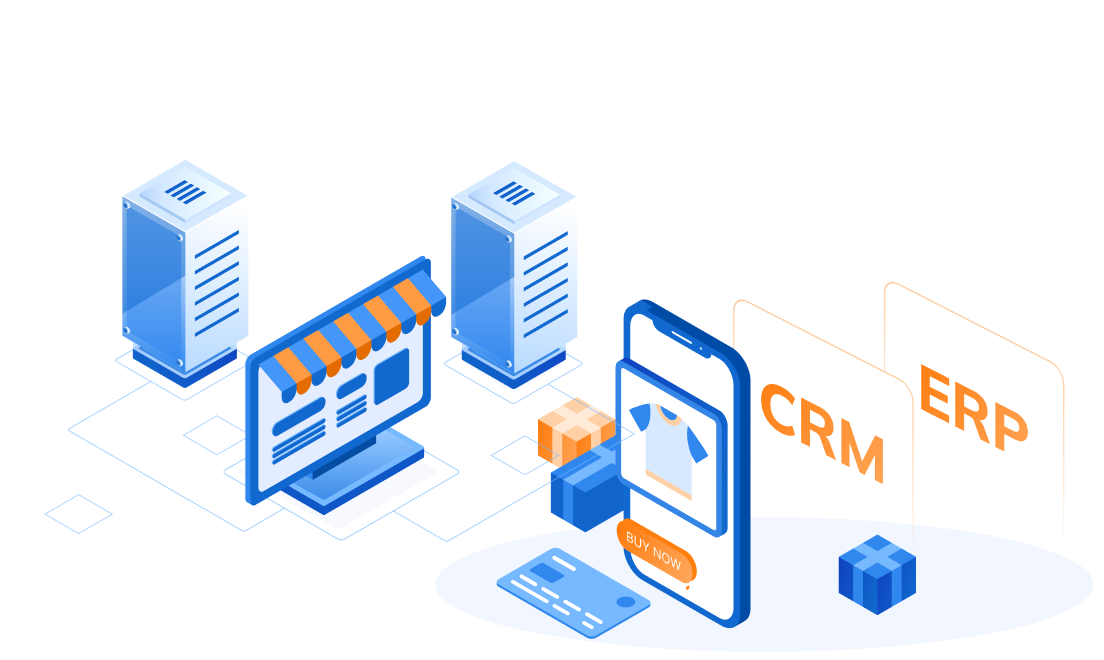
- Custom ecommerce platforms that integrate with marketing tools and analytics systems.
For retailers that already operate online stores, SupremeTech can also integrate third party systems such as CRM, ERP, and marketing automation platforms to create a connected data ecosystem. This integration allows businesses to synchronize customer data and deliver consistent personalized experiences across multiple channels.
Conclusion
AI driven retail software development personalized marketing platforms are transforming how retailers connect with customers. By combining artificial intelligence, customer data, and modern software architecture, retailers can deliver marketing experiences that are relevant, timely, and tailored to individual preferences.
At the same time, building these platforms requires strong expertise in software development, data integration, and scalable cloud infrastructure. Retailers need reliable technology partners that can design, develop, and integrate AI powered solutions that support real world business needs.
Contact SupremeTech today to discuss how AI driven retail software development can power your next generation personalized marketing platform.
FAQs Section
AI-driven retail software development personalized marketing platforms refers to building retail systems that use artificial intelligence to analyze customer data, automate marketing decisions, and deliver personalized experiences across digital and physical channels.
Personalized marketing platforms are software systems that use customer data and AI to deliver targeted marketing messages, product recommendations, and promotions tailored to each individual customer.
AI improves personalized marketing by analyzing large datasets, identifying customer behavior patterns, and automatically delivering relevant recommendations, promotions, and content in real time.
Yes. Studies show that AI driven marketing tools can significantly improve engagement and ROI. Many marketing teams report measurable gains in personalization effectiveness, predictive accuracy, and customer loyalty after adopting AI technologies.
One example is McDonald’s use of AI technology to personalize digital drive through menus. The system can adjust menu recommendations based on factors such as time of day, weather, and restaurant traffic.