






B2B Loyalty Program: Benefits, Examples, and Best Practices
15/10/2026
8
A B2B loyalty program rewards business customers or partners for buying, staying and recommending over time. It works best when it is designed around who actually makes and influences the purchase: the account that pays, the buyer who orders, or the channel partner who sells or installs. Strong programs offer practical value such as better service, business tools and training, not just points, and they track results at the account level.
Most loyalty advice is written for consumers. A shopper buys a coffee, earns a stamp and comes back. Business buying rarely works that way. A purchase may involve a procurement manager, a site supervisor who places orders, a finance team that approves invoices, and a distributor in between.
That is why a B2B loyalty program needs a different starting point. In a 2014 brief, Bain & Company noted that B2B relationships often involve several groups, including gatekeepers, business leaders and operational users. A reward that delights one of them may mean nothing to the others.
The short answer is this: B2B loyalty programs can work well, but only when you decide exactly who you are rewarding and what they value in their working day. This guide explains the main types, the benefits, three real examples and the best practices to follow.
What is a B2B loyalty program?
A B2B loyalty program is a structured way to reward business customers or partners for continued buying, engagement or advocacy. Instead of rewarding a single consumer, it rewards a company or the people who buy on its behalf.
Most programs fall into one of three types, based on who receives the reward:
- Account-level programs reward the business as a whole, often through tiers, volume pricing or service benefits tied to total spend.
- Buyer-level programs reward the individual who orders, with points, perks or tools that make their job easier.
- Channel partner programs reward distributors, dealers, resellers or installers who sell, recommend or fit your products.
Many companies combine two of these. A manufacturer might give distributors volume-based benefits while also rewarding the installers who choose its products on site.
How B2B loyalty differs from B2C loyalty
The goal is the same, keeping valuable customers, but the conditions are very different.
| Factor | B2C loyalty | B2B loyalty |
| Who decides | One person | Several people, often with different goals |
| Purchase size and frequency | Small and frequent | Larger, less frequent, or contract-based |
| What customers value | Discounts, perks, recognition | Time saved, reliable supply, service, business growth |
| Buying route | Direct from the brand | Often through distributors or partners |
| Rules and compliance | Simple terms | Company policies, tax and gift rules may apply |
The last point is easy to miss. Many companies limit what employees can accept from suppliers, so a personal reward for the buyer may not be allowed. Rewards that benefit the business, such as free shipping, training or extended service, are usually safer.
Benefits of a B2B loyalty program
Higher lifetime value from existing accounts
In B2B, a small number of accounts often drive a large share of revenue, so keeping them matters. Bain’s research found that B2B promoters have a lifetime value 3 to 12 times higher than detractors, depending on segment and industry, and that loyalty leaders grow 4 to 8 percentage points faster than their market each year.
A defence against slipping loyalty
Business customers have more choice than ever. In the same Bain survey of 290 B2B executives, 68% said their customers had become less loyal. A program gives buyers clear reasons to stay beyond price.
Better self-service and data
Buyers increasingly want to manage purchases themselves. A Gartner survey of 632 B2B buyers found that 61% prefer an overall rep-free buying experience. A loyalty portal or app gives them that, and gives you data on who buys, what and how often.
Stronger channel relationships
When products reach end customers through partners, a channel program helps you build a direct relationship with the people who recommend you, instead of relying only on the distributor.
B2B loyalty program examples
Home Depot Pro Xtra (buyer and account rewards)
Home Depot runs Pro Xtra for professional contractors and trade customers. In July 2026, Retail Dive reported that the program added partner rewards from 7-Eleven, Jimmy John’s, Tecovas and an AI answering service, with offers refreshing every quarter across food and beverage, fuel and fleet, lifestyle and travel, and business management.
Lesson: the rewards reflect a contractor’s working day: fuel, lunch for the crew, work boots and tools to run the business.
Amazon Prime Business (paid membership)
Amazon Business offers Prime Business as a paid membership for companies, with plans from Essentials at $179 a year for up to 5 users to Enterprise at $10,099 a year for unlimited users. Benefits include fast free delivery on eligible orders, spend analytics dashboards and Guided Buying, which steers employees toward approved products and suppliers.
Lesson: for business customers, control and visibility over spending can be as valuable as savings.
Read more:
Schneider Electric mySchneider Rewards (channel partners)
Schneider Electric rewards electricians who install its products. As described on Schneider Electric’s Spanish-language blog in July 2025, electricians earn points by uploading official distributor invoices for Schneider products, completing training courses and attending events. New members receive 200 welcome points and can redeem up to 65,000 points a year for gifts.
Lesson: the program reaches installers who buy through distributors, and it rewards learning as well as purchases.
B2B loyalty program best practices
1. Decide who you are rewarding
Write down who pays, who orders, who approves and who recommends. Then choose which of them the program is for. Mixing all of them into one points scheme usually satisfies no one.
2. Offer rewards that help the business
Think about what saves your customer time or money: faster delivery, dedicated support, extended warranties, training or business tools. Use personal rewards carefully and check that they fit customers’ gift and compliance policies.
3. Use tiers based on account value
Tiers work well in B2B because accounts vary so much in size. Base them on total spend, product range or contract length, and make each tier’s benefits clear.
4. Make enrolment and tracking easy
Business buyers do not want another complicated process. Let them join quickly, see their status and rewards in one place, and claim benefits without contacting a sales rep.
5. Connect the program to your core systems
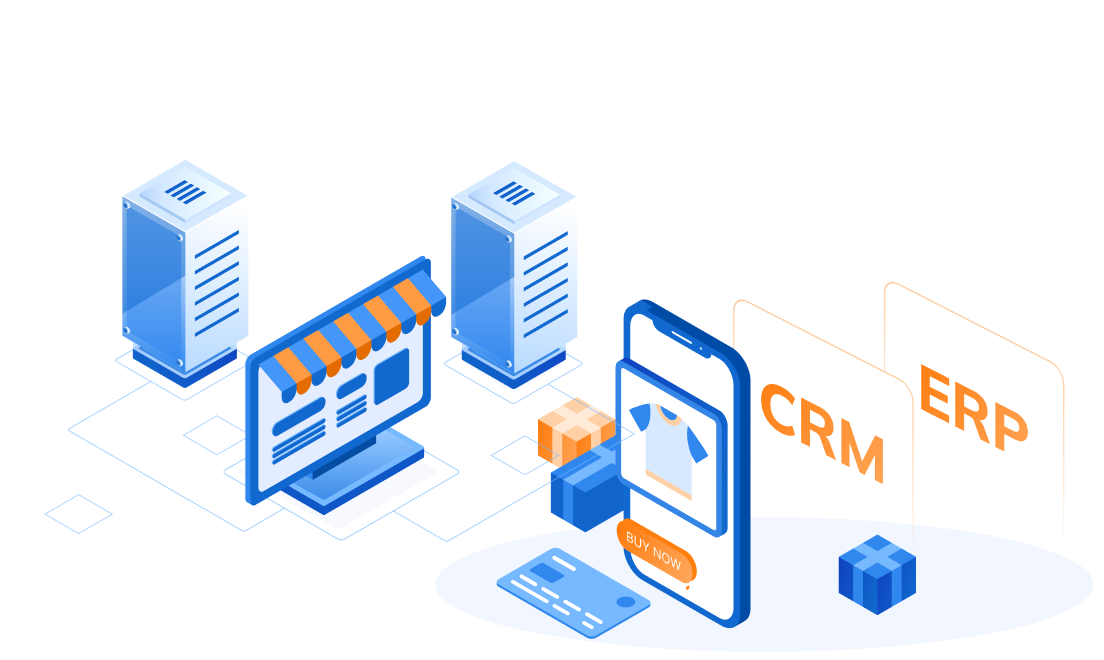
Rewards should update from real orders and invoices. That means connecting the program to your ERP, e-commerce platform, CRM and, for channel programs, partner invoice data. Manual claims slow everything down and invite errors.
Read more:
6. Involve sales and account managers
A B2B program should support, not replace, the relationship your team has built. Give account managers visibility of each customer’s status so they can mention benefits in conversations and spot accounts that are slipping.
Read more:
How to measure a B2B loyalty program
Measure at the account level, not just by individual points activity. Useful metrics include:
- Account retention or renewal rate: how many accounts keep buying or renew contracts.
- Share of wallet: how much of the customer’s total spend in your category goes to you.
- Active users per account: how many people at each customer use the program or portal.
- Partner activity: for channel programs, how many partners submit claims or complete training.
- Cost per retained account: total program cost compared with the accounts it helps keep.
Compare members with similar non-members where you can, so you can separate the program’s effect from customers who were already loyal.
How SupremeTech approaches loyalty platforms
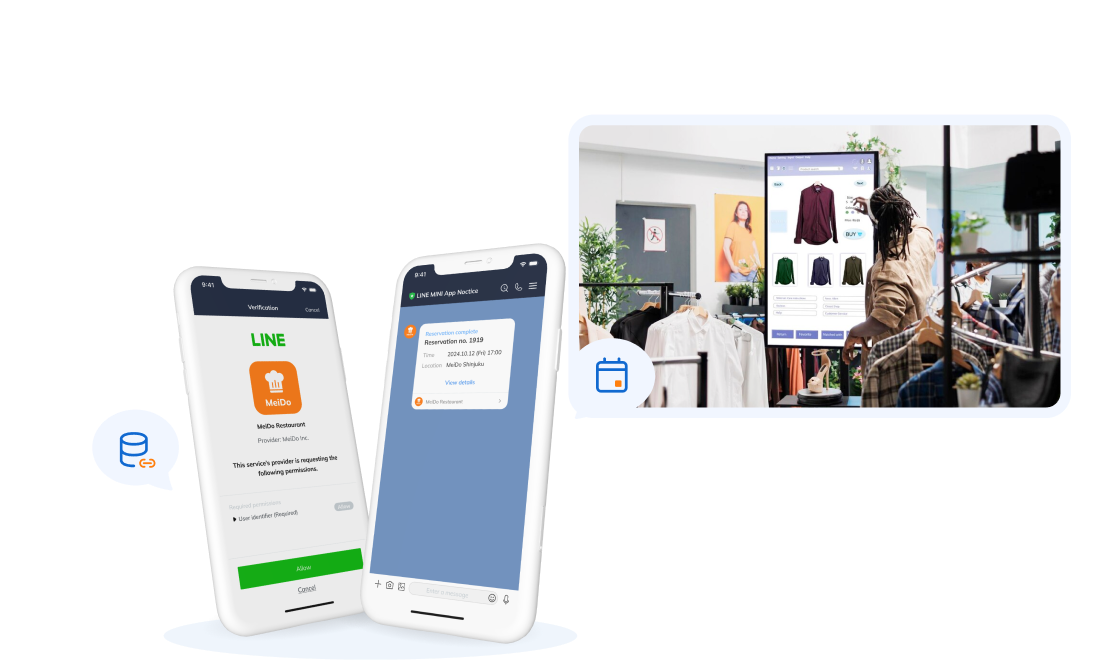
SupremeTech has built loyalty platforms that connect many systems at once. For a Japanese restaurant corporation operating in several countries, the team built a scalable loyalty points system on AWS with a central Point Gateway linking the mobile app, the POS system and external point services such as T Point, D Point and R Point.
That project served consumers, not business buyers. The same core work, however, sits behind any B2B program: connecting order data from several systems, applying tier and reward rules reliably, and giving members a clear view of their status.
Conclusion
A B2B loyalty program succeeds when it is designed for the people behind the purchase. Decide whether you are rewarding the account, the buyer or the channel partner, offer benefits that help their business, and connect the program to the systems that hold your real order data. Then measure at the account level to see whether customers stay and grow.
If you are planning a B2B loyalty program or partner portal, SupremeTech’s Omnichannel Retail Solutions and custom software development teams can help you design and build it around your existing systems.
Frequently Asked Questions
A B2B loyalty program rewards business customers or partners for continued buying, engagement or advocacy. It can reward the account, the individual buyer, or a channel partner such as a distributor or installer.
Yes, when they are designed for business needs. Rewards that save time, improve service or help the customer’s business tend to work better than consumer-style points alone.
Home Depot Pro Xtra rewards professional contractors, Amazon Prime Business is a paid membership for companies, and Schneider Electric’s mySchneider Rewards rewards electricians who install its products.
B2B purchases involve several decision-makers, larger or contract-based orders, buying through partners, and company rules about accepting rewards. B2C loyalty usually involves one person making small, frequent purchases.
Track account retention or renewal, share of wallet, active users per account, partner activity and cost per retained account, and compare members with similar non-members.