





Employee Portal to Unify Internal Operations
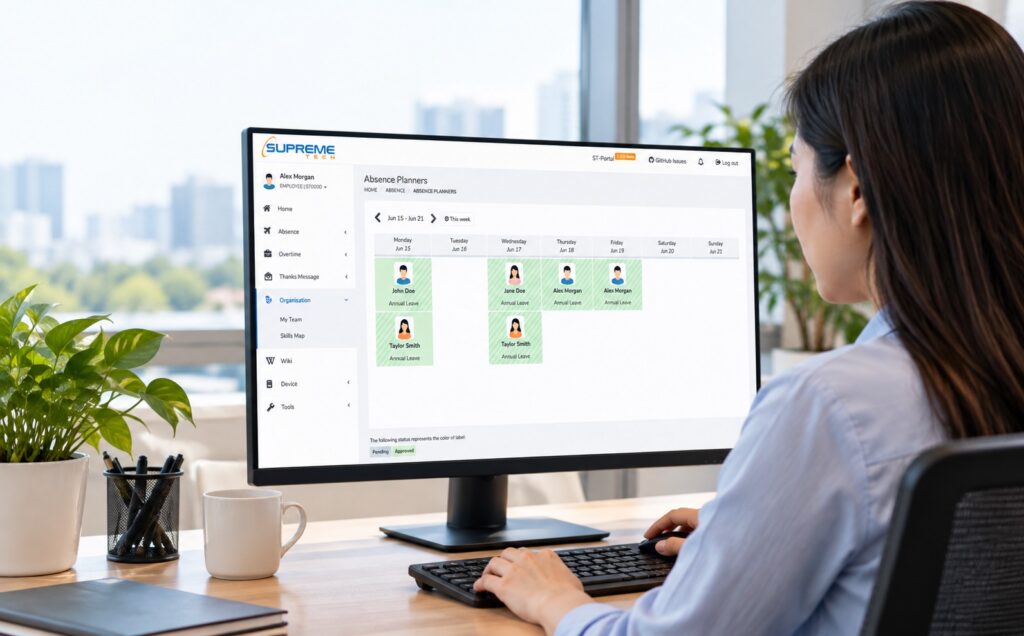
When leave requests are handled via email, project resource information resides in spreadsheets, and equipment data is stored in separate files, each process may operate in isolation. What is missing is an employee portal that connects these activities with the relevant people, teams, projects, and assets.
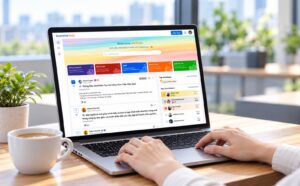
Portal became that operational layer for SupremeTech. It brings employee data, leave, overtime, projects, skills, policies, devices, and administrative settings into one system instead of asking employees and administrators to piece the full picture together manually.
Portal is one of three internal platforms developed by SupremeTech. Wiki supports formal knowledge management, Hub supports employee engagement and company culture, and Portal supports day-to-day operations and resource management. Together, these projects demonstrate SupremeTech’s ability to turn internal business requirements into software built around how an organization actually works.
Project Overview
Portal serves as a central operational platform for SupremeTech employees and administrative teams. Instead of acting as a simple directory of internal links, it connects related data and actions within the same environment.
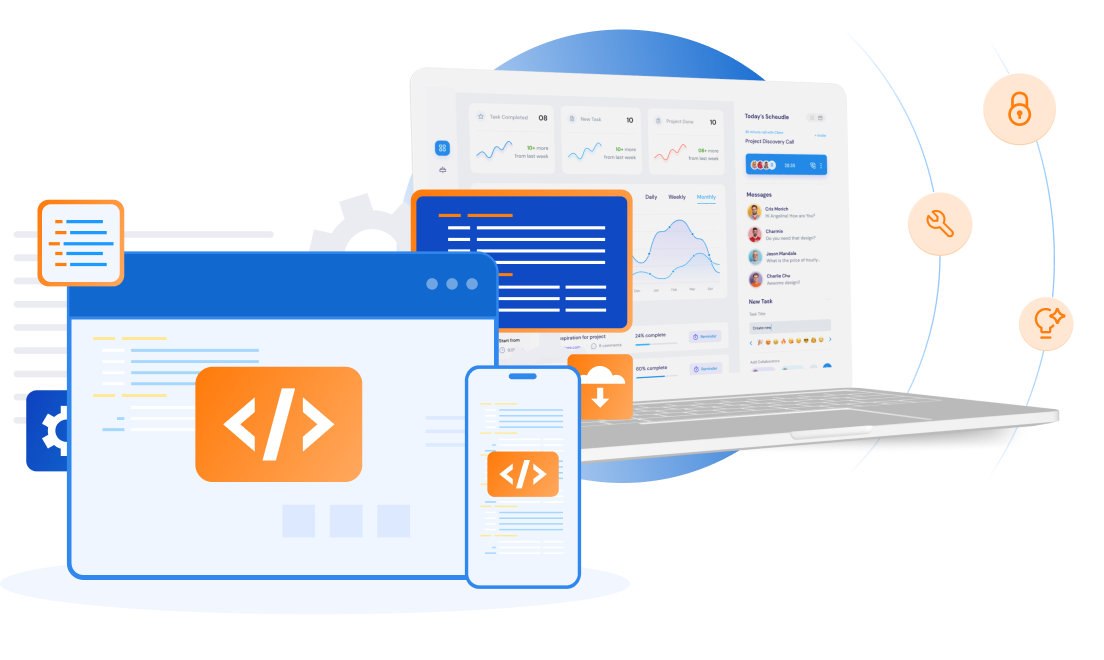
Employees can use the platform to view company information, submit leave and overtime requests, send thanks messages, and access relevant policies. Operational teams can manage employee records, organizational structures, projects, skills, devices, permissions, and system settings.
>> Read about our other organizational projects here:
When Does a Business Need a Custom Employee Portal?
Portal is relevant for businesses facing problems such as:
- Employee data is spread across different tools and files.
- Leave and overtime are still managed through manual processes.
- Projects and resources are tracked through spreadsheets.
- Devices assigned to employees are difficult to control and trace.
- People, Organization, Project, Resource, and Asset data is not connected.
- A legacy system still works but has become difficult to extend.
- Off-the-shelf HR software does not match the company’s internal workflows.
SupremeTech can apply the experience gained from Portal to build an employee portal around each organization’s requirements. The solution can be tailored through its workflows, roles, permissions, modules, integrations, and modernization roadmap.
The Problem
Within SupremeTech, employee, team, project, skill, leave, overtime, policy, and device information had grown across separate tools and processes. Routine tasks required coordination through emails, spreadsheets, documents, and manual approval steps. It was also difficult to maintain the relationships between an employee, their team, skills, projects, requests, and assigned devices.
The platform had to keep evolving as operational requirements expanded. However, the existing Ruby-based system was becoming harder to extend. Adding more standalone tools would have increased fragmentation, while rebuilding everything at once would have placed working processes at risk.
SupremeTech therefore needed one operational platform that could connect internal data, support repeatable workflows, and provide a practical path for gradual modernization.
The Solution
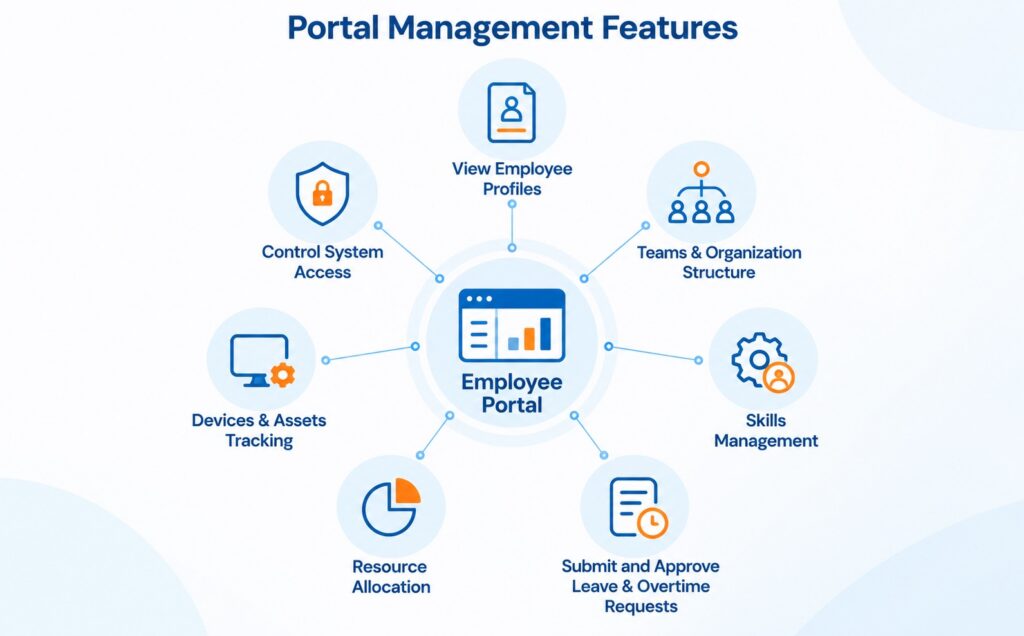
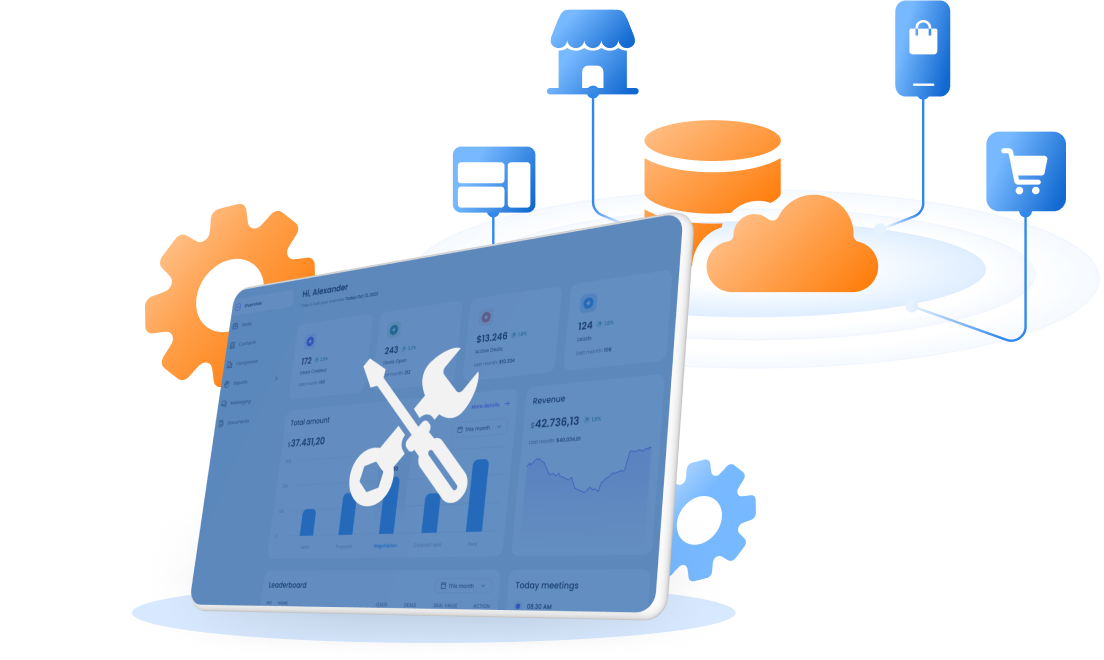
SupremeTech developed Portal as a shared system for employees, managers, and administrators. The platform organizes operational functions into connected modules rather than treating each process as an isolated form or spreadsheet.
Its main capabilities include:
- People and organization: Employee profiles, teams, groups, skills, and organizational information.
- Leave and overtime: Request, approval, configuration, and tracking workflows.
- Projects and resources: Project information connected with employees and organizational data.
- Company information: Official announcements, internal policies, birthday reminders, and work-anniversary reminders.
- Employee interaction: Thanks messages for recognizing colleagues.
- Devices and assets: Equipment information linked with the employees using it.
- Administration: Permissions, leave settings, email configuration, system settings, and import or export tools for employee, project, and device data.
This structure gives employees one place to complete common internal tasks while helping administrative teams maintain related information with clearer ownership.
Technical Challenge: Modernizing a Legacy System Without Starting Over
Portal already contained important workflows built on a Ruby-based system. As operational requirements expanded, that foundation became difficult to develop further. A complete rebuild, however, would have required replacing working functions and moving every process at the same time.
The development team chose an incremental modernization approach. It introduced a Node.js service that could run alongside the existing Ruby system. This allowed new capabilities to be developed on a more extensible foundation while established workflows continued operating.
The team evaluated different architectural options with the Project Technical Lead before defining a structure that supported parallel development. This approach created a practical transition path: keep stable parts of the existing system, build new modules on the new service, and reduce the risk of a single large migration.
The technical value was not simply the addition of Node.js. The important decision was separating modernization from replacement. Portal could continue supporting daily work while its architecture gradually became easier to extend.
The Results: Simpler Workflows and More Connected Operational Data
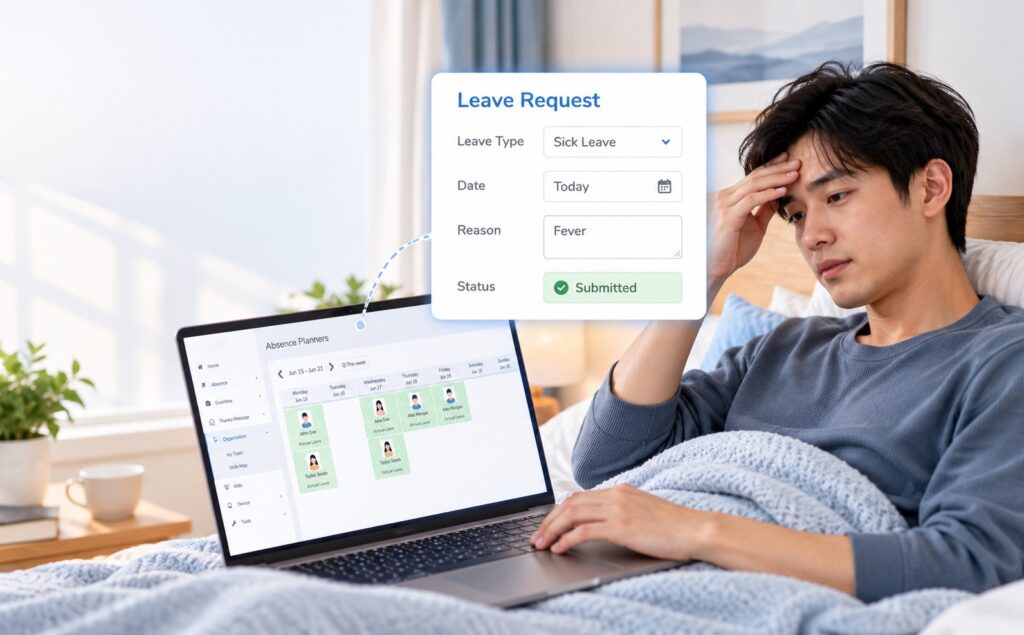
Portal reduced the need to manage internal operations through separate emails, spreadsheets, paper documents, and disconnected tools. Employees gained a consistent place to submit requests and access company services, while administrative teams gained a more structured view of people, projects, resources, and assets.
Leave and overtime workflows became easier to submit, review, approve, and track. Project and employee information could be managed within the same operational environment. Device records could also be connected with the people using them instead of being maintained as a separate administrative list.
The larger result was data connection. Portal brought together information that had previously been treated as separate records. An employee could be connected with a team, skills, projects, leave records, and assigned devices within the same system. This provided a stronger foundation for internal operations than a collection of independent tools.
The modernization approach also allowed SupremeTech to continue expanding Portal without immediately discarding the legacy application. This gave the team a safer way to improve the platform while preserving workflows that were already in use.
The project currently has no approved public metrics for time saved, request volume, adoption, or return on investment. Its results are therefore presented through confirmed changes to the workflow and system structure rather than unsupported performance claims.
What SupremeTech Learned About Building an Employee Portal
Build around real operational processes
Generic HR features are not enough when each company has different approval rules, project structures, permissions, and administrative responsibilities. Portal showed the value of translating actual internal processes into product requirements before selecting how each function should work.
Modernization can happen incrementally
A legacy application does not always need to be replaced in one release. Running the new Node.js service alongside the Ruby system allowed the team to introduce a more flexible architecture while maintaining existing operations. The same approach can help other businesses modernize internal software with less disruption.
Administration is part of the product
Permissions, configurations, email settings, imports, and exports may not be the most visible features, but they determine whether an internal platform can be managed efficiently. A useful employee portal must support both the employee experience and the teams responsible for operating it.
From an Internal Product to a Client Solution
Portal demonstrates more than SupremeTech’s ability to build HR features. It shows how the company can analyze operational workflows, connect related business data, modernize an existing system, and develop an internal platform that can continue changing with the organization.
For client projects, SupremeTech can apply the same delivery approach without copying Portal feature for feature. Each solution can be designed around the client’s existing processes, system dependencies, users, and technical priorities.
Build an Employee Portal Around Your Operations
An effective employee portal should reduce operational fragmentation, not become another isolated tool. The right solution connects the people, data, workflows, and systems that employees and administrators use every day.
SupremeTech provides custom software development for businesses that need an internal platform built around their requirements. Contact SupremeTech to discuss an employee portal, resource management system, or phased modernization project.
Technology Stack
Backend: Legacy Ruby on Rails application, Node.js 24, Express, and WebSocket-based real-time communication with Action Cable.
Frontend: Angular 5, TypeScript 2.4.2, and Node.js 8.2.1 as the frontend build environment.
Database: PostgreSQL 16.13.
Authentication: Email and password authentication.
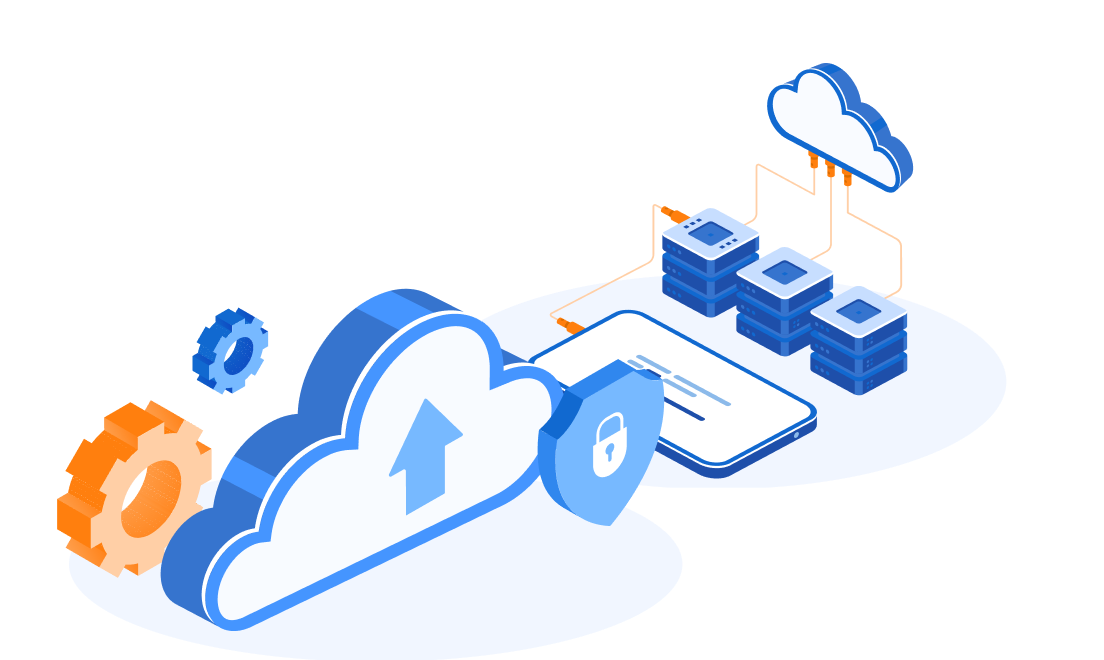
Infrastructure: AWS services including EC2, S3, CloudFront, and SES, together with GCP infrastructure.

Tech Stack
Platforms
Infrastructure & Architect
Development Languages