


Header image

Best Practices for Loyalty App Software from Technical Viewpoint

22/07/2025

716

Quy Huynh

Did you know that acquiring a new customer can cost 5 to 25 times more than retaining an existing one? That’s why businesses are turning to loyalty app software to enhance retention and build stronger relationships. Gone are the days of physical punch cards, today’s consumers expect a smart, digital rewards app that adds real value and convenience.

A successful customer loyalty program isn’t just about points, it’s about meaningful, personalized engagement. The right loyalty app software should blend technology and psychology to create a seamless experience that feels like a benefit, not a sales tactic. Let SupremeTech help you define what a high-performing loyalty app really needs. Below are seven must-have features that define the best loyalty app software on the market today.

1. Hyper-Personalization and Tiered Rewards

Tiered rewards (e.g., Bronze, Silver, Gold) are no longer an innovation, they’re a common feature in any well-rounded loyalty program. What truly matters is how effectively your system uses customer and sales data to define ranking logic that fits your business model. Each retail industry has its own standards for what qualifies as “loyal” behavior, so the logic behind tiers needs to be flexible and tailored. 

Each retail sector requires a tailored approach to tiering. For example:

  • A fashion retailer may prioritize total spend or product category preference.
  • An F&B chain might look at visit frequency or average order value.
  • Supermarkets could focus on a mix of spend volume and basket diversity.

Business owners should also consider whether their loyalty app can scale as the user base grows. Off-the-shelf SaaS loyalty platforms may struggle with customization and scalability, making it harder to adapt to industry-specific needs and future growth.

In short, tiered rewards must be data-driven, adaptable by industry, and supported by a loyalty system built for scale. Business owners should carefully evaluate the limitations of SaaS platforms when aiming to build a loyalty experience that grows with their brand.

2. Engaging Gamification 

Human beings are naturally drawn to games and challenges. Integrating gamification into your customer loyalty platform can dramatically increase user engagement and make interacting with your brand fun. There are features like spin-to-win wheels, scratch cards for instant rewards, progress bars for the next reward tier, and badges for completing challenges that create “micro-moments” of entertainment. 

However, it’s important to consider whether gamification is the right fit for your application. For example, if your customers are mostly older adults, complex or flashy game mechanics might be confusing or even off-putting. In this case, using familiar and simple formats could be more effective.

On the other hand, if your target audience is younger generations like Gen Z, the flashy and highly-animated games may be a better choice. This group is typically more tech-savvy and enjoyed trying new games.

The key is to design gamification features that match both your brand identity and your customers’ preferences. A well-designed game can enhance loyalty, while a poorly matched one can feel gimmicky or frustrating. Always test and gather feedback before launching at scale.

3. Seamless Onboarding and Platform Strategy

One of the biggest barriers to loyalty program adoption is app fatigue. Many users, especially in mobile-first markets, are reluctant to download yet another brand app just to accumulate points. That’s why business owners should start to form a strategic decision about choosing the right platform to host your loyalty program. 

For example, many brands are embedding their loyalty programs into popular messaging platforms that users already use daily. Prominently, LINE is a dominant channel in Japan and Thailand, where brands from F&B to fashion use it to distribute coupons, track points, and send personalized messages.

To take convenience a step further, direct integration with mobile wallets like Apple Wallet and Google Wallet is a must. This allows customers to store their loyalty card digitally and access it with a simple tap, removing the need to carry a physical card or even open a specific app at the point of sale.

4. Smart, Contextual Notifications
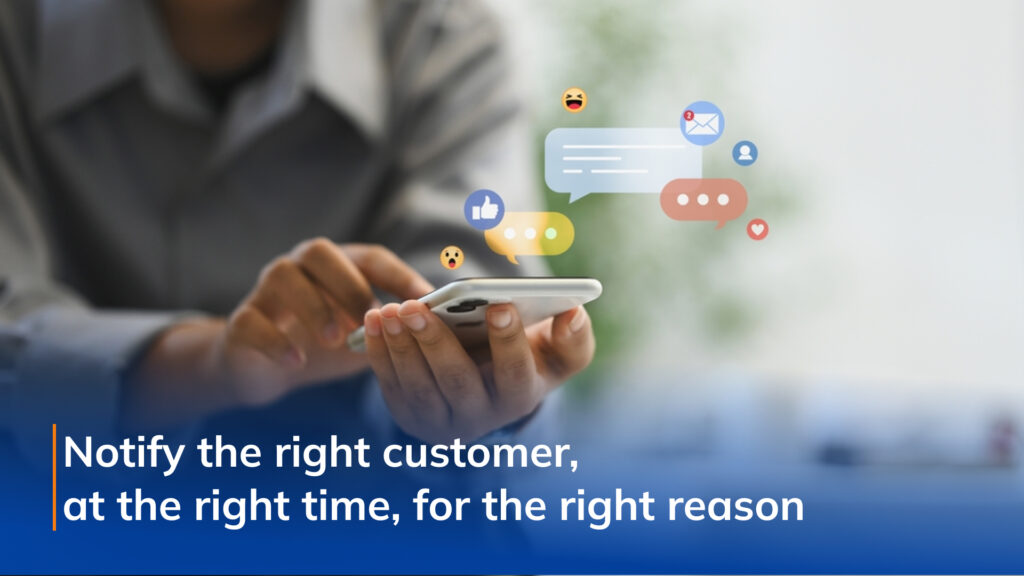
Push notifications are a powerful tool, but they must be used wisely. Instead of broadcasting generic ads, a smart loyalty app software sends valuable, context-aware notifications. This can include a birthday bonus, an alert that a favorite item is back in stock, or a special offer triggered by geofencing when a customer is near a physical store. When notifications provide timely and relevant value rather than noise, they strengthen the customer relationship and drive immediate action.

5. Integrated Feedback and Review Channels

Your most loyal customers are often your best source of constructive feedback. A great loyalty app software builds a direct communication channel into the experience. By including features for in-app surveys, product ratings after a purchase, or a simple suggestion box, you empower your customers to share their thoughts. This not only provides you with invaluable, real-time data to improve your products and services but also shows customers that you value their opinion, further cementing their loyalty.

6. Built-in, Effortless Referral Programs

Word-of-mouth remains one of the most powerful forms of marketing. An effective loyalty app software digitizes and incentivizes this process. By integrating an easy-to-use referral program, you empower your happy customers to become brand ambassadors. The loyalty app should generate a unique, shareable code or link, making it effortless for users to invite their friends. Tracking this process digitally allows you to reward both the referrer and the new customer seamlessly, creating a viral loop for growth.

7. A Powerful Analytics Dashboard (For the Business)

Behind every great loyalty app is a powerful analytics engine. Your software should offer an intuitive dashboard that tracks metrics like:

  • User engagement
  • Redemption rates
  • Campaign ROI
  • Customer Lifetime Value (CLV)

This data allows you to refine your program and tailor promotions based on what actually works.

>>> Read more related articles: 

Choosing the Right Loyalty App Software: Key Considerations

Selecting the ideal loyalty app software is an important decision for any business aiming to increase customer retention, drive repeat purchases, and build lasting relationships with their loyal customers. With a multitude of solutions available ranging from basic stamp cards to advanced digital loyalty programs, navigating your options can feel overwhelming. However, by focusing on core features that support customer engagement, reward flexibility, and loyalty management, businesses can choose a platform that delivers both a great customer experience and a strong return on investment.

Should You Choose SaaS or Custom-Built App?

No two businesses are the same, and your loyalty app software should reflect your unique brand voice. Choose a solution that allows for deep customization, from visual branding (logos, fonts, colors) to defining your own rewarding customers logic.

Can the platform support personalized rewards based on purchase behavior? Can you offer double points on special days or reward referrals? Look for systems that let you create tiered memberships, track stamp card progress, and deliver customer loyalty campaigns tailored to segmented audiences.

Scalability

One of the most important considerations is the software’s scalability. As your business grows, whether through expanding your retail stores, product lines, your loyalty app software must scale seamlessly and cost-effectively. 

The right platform allows you to easily update tiered reward systems, roll out personalized promotions, or expand to multiple branches without costly re-platforming.

  • SaaS platforms often offer built-in scalability at a fixed subscription rate, which can be cost-effective initially but may limit customization and inflate costs as user volume grows. Scalable SaaS programs offer small businesses an effective solution to both meet current budgetary demands and plan for the future. 
  • Custom-built, on the other hand, require a bigger initial investment. These systems can be designed to scale more efficiently without needing major changes later on. One thing to keep in mind is that building and maintaining custom software takes time and requires a reliable development partner. If your original developer leaves, a new one will need time to learn the system, so choosing a trustworthy vendor is essential for long-term success.

Integration Capabilities

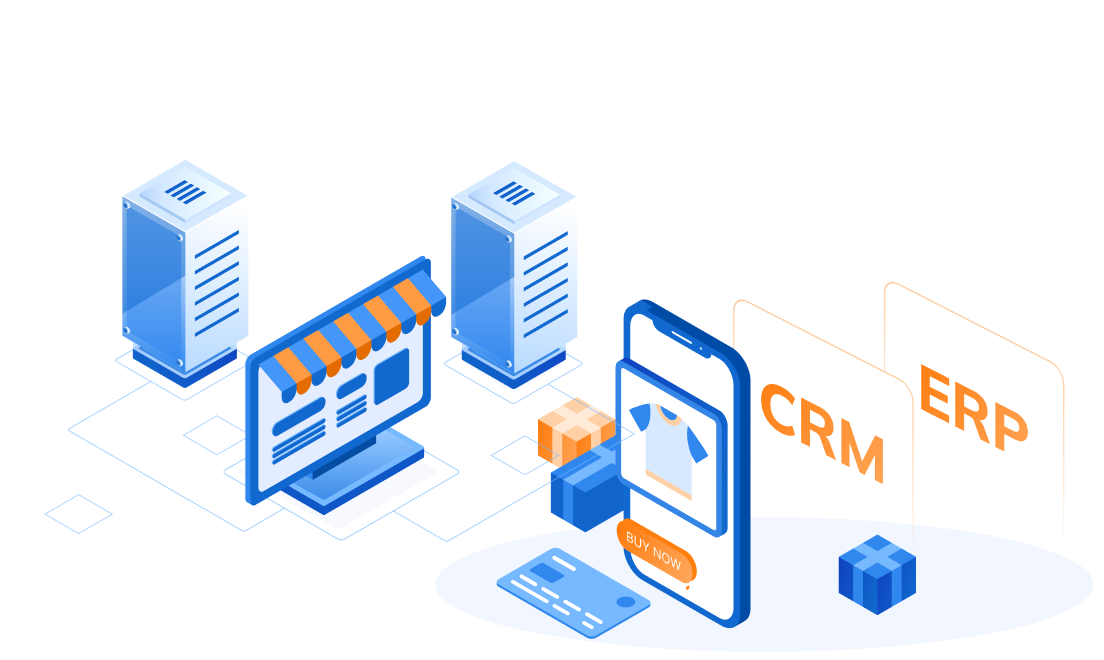
A successful loyalty card app should do more than earn and redeem points. It must integrate intimately with your sales system, including your POS (Point of Sale), CRM, e‑commerce, marketing tools, and payment gateways. This integration is critical for efficient loyalty management, real-time rewards tracking, and a cohesive customer experience across channels.

There is significant difference integration capabilities between SaaS and custom-built systems:

  • SaaS platforms (Software-as-a-Service) often come with a fixed, predefined list of supported integrations. This makes setup quick and costs predictable initially, but limits your ability to adapt when business needs evolve or new tools emerge. You may also face extra fees if you need additional connectors or want to upgrade your plan.
  • Custom-built can be integrated seamlessly with any existing systems, such as: CRMs, bespoke POS, or specialized marketing platforms . Because you fully control the code base, you can add or modify integrations as your needs change, offering unmatched flexibility and future-proof scalability. While custom solutions require higher upfront investment and longer development time .

Data Security & Ownership

When it comes to loyalty app software, protecting customer data is essential but understanding who actually owns and controls that data is just as critical. This decision can impact your long-term flexibility and control over customer and sales information.

Apart from following data security policies, it’s also important to understand who owns the data when choosing the platform for your loyalty app:

  • With SaaS-based loyalty platforms, you can input and manage customer and sales data, the software development vendor typically controls where the data is stored, how it is accessed, and whether it can be transferred elsewhere. Your business uses the system but may not have full ownership or control over its most valuable data.
  • Custom-built software gives your business complete ownership of the data infrastructure. This means you have full control over how the data is accessed, stored, and moved, offering greater flexibility and long-term independence.

Pricing and Support

When evaluating loyalty app software, consider the full picture. This includes licensing, implementation, and maintenance fees, as well as the quality of vendor support. A strong vendor doesn’t just sell you software, they become a strategic partner.

Look for companies that offer onboarding support, staff training, performance optimization, and responsive tech help. Whether you’re troubleshooting a QR code scanner or planning a new personalized promotion, responsive support ensures your program continues to deliver measurable value.

Best practices when implementing Your Loyalty App

Launching a loyalty app is just the first step; its true success hinges on effective implementation and ongoing management. A well-designed app can fall flat without a strategic approach to its rollout and continuous optimization.

Defining Clear, Measurable Goals

Before your loyalty app software goes live, it’s essential to define clear, measurable goals for your customer loyalty program. Are you looking to increase repeat purchases by 20% within six months? Want to raise the average order value by 15% among your loyal customers? Or perhaps reduce churn by 10% through better customer engagement and more relevant personalized promotions?

These well-defined objectives are more than just benchmarks, they serve as the foundation for your entire loyalty management strategy. Specific goals help shape reward structures, campaign design, and feature priorities, from stamp card functionality to gamified tiers. They also allow you to track ROI and optimize performance, ensuring your digital loyalty solution is delivering real business results. Without these KPIs in place, it becomes difficult to determine whether your loyalty app is truly fostering deeper relationships and customer satisfaction.

Crafting Engaging and Varied Rewards

While discounts are a common starting point, truly successful loyalty programs offer a diverse range of rewards that resonate with your customer base. Think beyond monetary incentives. Consider offering exclusive early access to new products, personalized experiences, birthday treats, tiered benefits that unlock premium perks, or even opportunities for customers to donate points to a charity. The key is to understand your customers’ preferences and provide rewards that feel genuinely valuable and aspirational, encouraging deeper engagement than simple transactions alone.

Promoting Your App Effectively

Even the most feature-rich app won’t succeed if customers don’t know it exists or how to use it. Start by placing eye-catching signage in your retail stores, especially near checkout counters. Add QR codes to receipts, product packaging, or displays to enable easy downloads. Use your website, social media, and email marketing to share the benefits of your digital loyalty program, and highlight rewarding customers through success stories or testimonials.

How SupremeTech Helps You Build Your Loyalty App Software

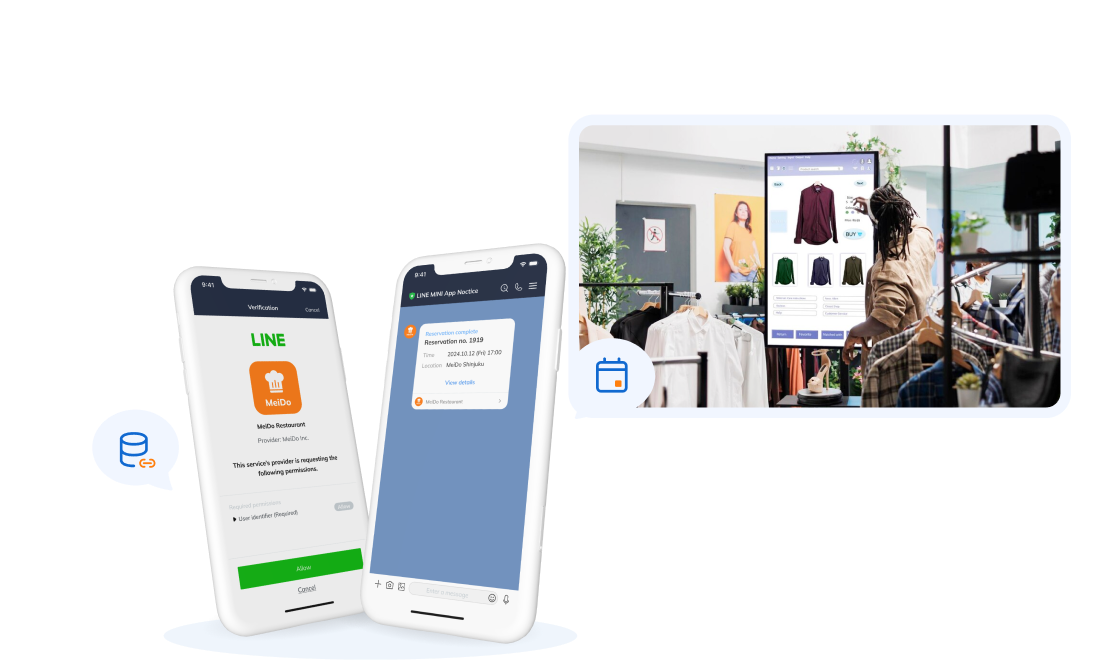
If you’re searching for a partner to make your loyalty app, SupremeTech offers expertise in loyalty app software development. One of our recent projects involved creating a digital point card system within the LINE Mini App. Helping our client move from outdated physical cards to a fully digital customer engagement platform.

Despite the complexity of the LINE platform. We successfully developed and launched a mini-app integrating barcode features, one-time transactions, and seamless user data management.

With features like:

  • Digital card issuance
  • Barcode generation
  • Smart integrations with customer data systems

We transformed a traditional business into a tech-forward brand with a scalable customer loyalty solution.

At SupremeTech, we’re committed to building custom loyalty applications that deliver value for both users and businesses. Whether you’re starting from scratch or upgrading an outdated system, we can help.

 📩 Read more articles published by SupremeTech:

📌SupremeTech’s Website Blog

📌Subscribe on LinkedIn

Related Blog

Our culture

+0

    Tour “Đại lộ QC” – Hành trình khám phá nghề kiểm thử cùng ST

    Chào mừng bạn đến với series “Chuyện ngành chuyện nghề - Team QC”, nơi chúng mình kể lại những câu chuyện thật nhất về hành trình làm nghề, những niềm vui và… những pha “dở khóc dở cười” phía sau mỗi bản build. Để bắt đầu nghề QC thì không khó, nhưng để trở thành QC giỏi không phải điều dễ dàng. Trước khi lên đường khám phá, hãy cùng mình “bóc tem” một vài hiểu lầm kinh điển về nghề QC nhé! Có phải bạn đã từng nghĩ rằng: - Ai cũng học QC được? - Ai cũng làm QC được? - QC chỉ cần bấm bấm test test và report bug? Vậy thì hôm nay, hãy cùng gặp gỡ hướng dẫn viên du lịch - Nguyễn Quang Vũ (QC Team)  - người sẽ đưa các bạn tham quan một con đường huyền thoại mang tên “Đại lộ QC”. Thắt dây an toàn, cầm vé trên tay và chúng ta sẽ xuất phát ! Km 0 – Cổng “Khởi Đầu” Trước khi trở thành “người gác cổng chất lượng”, mỗi QC đều bắt đầu bằng giai đoạn… bấm mọi thứ có thể bấm. Đây là lúc bạn làm quen sản phẩm, hiểu người dùng, và tập làm bạn với bug. Bạn sẽ cần mô phỏng hành vi người dùng, bấm - nhìn - ghi để xem sản phẩm có chạy đúng như mong đợi. Tưởng đơn giản mà không hề đơn giản: phải quan sát và đặt câu hỏi đúng chỗ. ❓ Vì sao ai cũng nên dừng ở đây? - Đây là nơi hình thành tư duy kiểm thử và hiểu quy trình phát triển. Như học lái xe: nắm vững gương, đèn, phanh rồi mới tính chuyện đổ đèo. 💡 Mẹo sống còn: - Học cách viết test case rõ ràng. - Biết phân biệt bug vs feature (phao cứu sinh tình bạn với dev). - Ghi chép gọn gàng, ảnh/chụp màn hình là tem visa cho mỗi phát hiện. 🔌 Trạm tiếp năng lượng:  Kiểm thử các luồng “hơi đời” như mất mạng, pin 2%, nhập emoji vào ô số, đổi ngôn ngữ giữa chừng. Đây là nơi rất kích thích sự tò mò của các bạn! Km 10 – Ngã rẽ “Phát Triển” Ở Km 10, bạn chọn đường mình muốn đi, miễn đi sâu một nhánh: ⬅️ Nếu bạn chọn làn trái: Automation Test, nơi còn gọi là “Làng Code”. Bạn sẽ nhận được: - Bản đồ: biết code và tư duy code để tự động hoá những thứ lặp lại. - Điểm check-in: Script chạy qua đêm, CI/CD, báo cáo xanh lè sáng sớm. - Quà lưu niệm: Khả năng đọc API, log, mock data, dựng pipeline nhoáng cái là xong. ➡️ Còn nếu bạn chọn làn phải: Performance Test, được ví như “Thung lũng Hạ Tầng”. Bạn sẽ có 1 chuyến trải nghiệm thú vị khác: - Bản đồ: cần hiểu hệ thống, kiến trúc, infra logic; đo độ bền, độ tải, độ chịu nhiệt. - Điểm check-in: JMeter/K6, profiling, bottleneck, tuning database. - Quà lưu niệm: Biểu đồ đẹp như tranh, nơi có lời giải cho câu hỏi vì sao “chạy một mình thì nhanh, có người xem livestream thì… khựng”. 📍 Nguyên tắc vàng của Km 10:  “Biết nhiều một chút, nhưng phải biết sâu một phần.” Có chiều rộng để phối hợp, có chiều sâu để gánh trách nhiệm.  Ở đoạn đường này, QC không chỉ tìm lỗi mà còn đề xuất cải tiến, thiết kế trải nghiệm, góp phần tạo ra chất lượng toàn diện. Related Blogs: > Must-Have Tools for Business Analyst > How to Step Out of the “Forwarder” Shadow? Km 25 – Quảng trường “Tư Duy Làm Chủ” Sau một thời gian quen tay với việc test bug và viết test case, bạn sẽ nhận ra: QC không chỉ là người tìm lỗi, mà còn là người giúp sản phẩm tốt lên từng ngày. Đây là lúc bạn bắt đầu bước ra khỏi “vùng kiểm thử” quen thuộc để nhìn sản phẩm ở góc độ rộng hơn: người dùng đang cần gì, team đang gặp khó ở đâu, và giá trị thực mà sản phẩm mang lại là gì. Bạn bắt đầu làm gì? - Điều phối nhịp sprint, push tiến độ, sắp hàng ưu tiên, nhìn rủi ro bằng ống nhòm và nói chuyện người dùng như hàng xóm thân. ❓ Để ở lại quảng trường này lâu, bạn cần: - Hiểu quy trình từ yêu cầu → phát triển → phát hành. - Nắm sản phẩm & người dùng hơn cả tên thú cưng nhà mình. - “Thấu” team sản xuất: dev cần gì, design lo gì, PM sợ gì, khách hàng kỳ vọng gì. Bài học đường dài: QC giỏi có “la bàn hệ thống” - biết hướng về giá trị người dùng, không chỉ về “màu xanh của report”. Km 40 – Ghé thăm đặc khu “ST QC”  và Về đích  Sau khi băng qua những chặng đường đầy bug và deadline, mời bạn ghé trạm dừng chân tại đặc khu “ST QC”. Đây là nơi những người làm kiểm thử thật sự trưởng thành và tìm thấy hướng đi cho riêng mình. Tại đây, bạn sẽ được “đi tour” qua đủ mọi cung đường nghề QC. Từ Manual Test đến Automation hay Performance Testing, thử sức để biết bản thân phù hợp với hướng nào. Ở ST luôn được khuyến khích học hỏi, có mentor tận tình chỉ đường, và rất nhiều ngã rẽ nghề nghiệp cho bạn mở rộng: từ QA, QC Technical Lead, cho đến BA hay PM. Chúng mình tin vào văn hoá “đi thực chiến trước, giáo trình hoá sau”. Nghĩa là không học để biết, mà học để dùng, để làm cho sản phẩm tốt hơn mỗi ngày. Vé VIP cho người mới Mentor thâm niên luôn đồng hành cùng bạn.Starter Kit “xịn”: test template, bug report, release checklist, sample pipeline.Nhớ câu thần chú:  “Chất lượng là thói quen mỗi ngày, không phải phép màu cuối sprint.” Phụ lục cho hành khách yêu khám phá. Trên “Đại lộ QC”, bạn sẽ bắt gặp những biển báo quen thuộc: ⚠️ Cảnh báo dốc: Thiếu kiên trì, kỷ luật hay tư duy hệ thống rất dễ tụt dốc.🆘 Làn khẩn cấp: Khi hoang mang, hãy quay lại acceptance criteria và dữ liệu gốc.🏥 Trạm y tế: Nếu burnout, dừng lại nghỉ, xem lại ưu tiên và xin hỗ trợ đoàn mình không ai bị bỏ lại. Combo “Túi đồ nghề QC” Checklist / Test Case, Mindmap risk, Template Bug Report, Common Edge Case, Script tiện tay. Trang bị đủ hành trang để bạn tự tin băng qua mọi sprint nhé. “Đại lộ QC” không phải đường cao tốc thẳng tắp, mà nó còn có dốc, có đèo, có khúc cua tay áo. Nhưng đổi lại là một hành trình đáng nhớ: sản phẩm chạy mượt, người dùng mỉm cười, team tin tưởng nhau hơn. Con đường này dễ xuất phát nhưng khó về đích. Vì thế hãy  luôn vững tin với chiếc vé mang tên kiên trì, kỷ luật, tư duy hệ thống, chúng sẽ giúp bạn đến được nơi mình muốn. Nếu bạn đã sẵn sàng, mời lên xe chuyến sau. Hướng dẫn viên “trái ngành” vẫn ở đây, tay trái cầm bản đồ, tay phải cầm… checklist. Hẹn gặp bạn ở một cột mốc mới trên Đại lộ QC!

    12/11/2025

    39

    Our culture

    +0

      Tour “Đại lộ QC” – Hành trình khám phá nghề kiểm thử cùng ST

      12/11/2025

      39

      Knowledge

      Others

      +0

        Must-Have Tools for Business Analyst

        In today’s fast-evolving tech world, working smart has become even more crucial than working hard. In IT environments — and in any modern business — managing a growing amount of complex work can’t rely solely on memory, scattered emails, or individual Excel sheets. One of the most effective ways to boost productivity intelligently is through the use of supporting tools.This isn’t just a trend anymore — it’s quickly becoming the standard in many companies. For Business Analysts (BAs), the right tools don’t just make you more efficient — they make you more professional. Let’s explore some essential tools every BA should have in their toolkit 👇 1. Draw.io A free, intuitive diagramming tool to visualize processes, systems, data, or ideas.It’s ideal for modeling workflows and mapping business logic. Key Features: Free and no registration required — just go to diagrams.net.Flexible storage — save files locally or to Google Drive, OneDrive, GitHub, GitLab.Rich icon library — supports UML, BPMN, flowcharts, network diagrams, and more.UML & BPMN ready — perfect for use cases, activity diagrams, and business flows.Easy collaboration when stored on shared drives.Cross-platform — available on web, desktop, and as a VS Code extension. Limitations: Real-time collaboration isn’t as strong as tools like Figma.Performance may drop with very large or complex diagrams. 2. Miro Miro is an online collaborative whiteboard designed for teams to brainstorm, plan, and visualize ideas in real-time. Key Features: Infinite canvas — visualize projects without space limits.Real-time collaboration — comment, vote, and co-edit instantly.Rich templates — includes user story maps, journey maps, mindmaps, Kanban boards, and wireframes.Integrations — connects with Jira, Confluence, Slack, Teams, Google Drive, and more.Great for mapping processes, use cases, roadmaps, or even UI mockups. Limitations: Free plan limits the number of boards.Large boards with many assets may slow down performance. 3. Trello Trello is a Kanban-based task management tool that helps teams visualize and track progress easily. Key Features: Simple drag-and-drop interface.Highly customizable boards, lists, and cards.Each card can include checklists, attachments, labels, due dates, and assignees.Seamless integration with Google Drive, Slack, Jira, GitHub, and others.Real-time updates across all team members.Works on web, desktop, and mobile. Limitations: Free plan limits the number of integrations (Power-Ups). 4. Jira Jira by Atlassian is the industry-standard project management tool for Agile teams. Key Features: Built for Scrum and Kanban teams.Highly customizable workflows, fields, and automation rules.Transparent tracking of tasks, blockers, and progress.Integrates with hundreds of DevOps, CI/CD, and testing tools.Scales from individual tasks to enterprise-level project portfolios. Limitations: Steep learning curve for beginners.Can be costly for large teams.Requires experienced admins for setup and maintenance.May run slower on large, complex projects. 5. Typescale A handy tool for generating consistent typography systems (font size, line height, spacing) for web or app design. Key Features: Automates type scale creation.Multiple presets and flexible customizations.Preview and export CSS directly.Ensures responsive and accessible typography. Limitations: Not suitable for all design systems or content types.Limited control over detailed responsive behavior. 6. Adobe Color An intuitive color palette generator to create harmonious and accessible color schemes. Key Features: Easy-to-use color wheel with real-time updates.Auto-generates color harmonies based on color theory.Supports HEX, RGB, and CMYK formats.Integrates seamlessly with Adobe tools like Photoshop, Illustrator, and XD.Community palette sharing and inspiration gallery. Limitations: Contrast still needs manual checking for accessibility.Some auto-generated palettes may need manual tweaking.Colors can look different on various screens. 7. Contrast Checker A simple but vital tool to ensure readability and accessibility by checking text and background contrast per WCAG standards. Key Features: Simple interface — input colors and get instant feedback.Ensures compliance with accessibility guidelines.Real-time updates as you adjust colors.Bridges design and development — everyone can validate contrast easily. Limitations: Doesn’t reflect results accurately for complex backgrounds.Doesn’t account for font size, spacing, or user testing conditions. Why Use These Tools? Transparency: Everything — from tasks to deadlines — is clearly tracked. For example, Trello helps answer questions like “Who’s doing what?” and “What’s the current status?”Visualization: Tools like Draw.io help transform abstract logic into clear, easy-to-understand diagrams.Collaboration: Integrating tools like Miro, Jira, or Slack ensures everyone stays aligned and reduces miscommunication. Tips for Getting Started Start small: You don’t need every tool at once. Begin with Jira or Trello, then expand.Build shared habits: Tools only work when the whole team uses them consistently.Learn by doing: Explore free trials and tutorials, then apply them directly in your current projects.Stay updated: Tools evolve fast — keeping up helps you stay ahead. Using tools isn’t just about having more software — it’s about changing the way we work.They make our processes more transparent, our teamwork more seamless, and our output more efficient. For Business Analysts, these tools are not just “nice-to-have” — they’re what turn you from a task executor into a strategic enabler for your team. Read more related articles from SupremeTech!

        31/10/2025

        136

        Sang Ngo

        Knowledge

        +1

        • Others

        Must-Have Tools for Business Analyst

        31/10/2025

        136

        Sang Ngo

        Knowledge

        Others

        Our culture

        +0

          How to Step Out of the “Forwarder” Shadow?

          Have you ever, as a Comtor or Business Analyst (BA), felt like… a messenger? Every time the client asks something, you turn to the team, copy their answer, translate it, and send it back — just passing messages instead of actually owning the conversation. At SupremeTech, our BA team jokingly calls this role the “Professional Forwarder.” Through many “lost in translation” moments, we’ve learned valuable lessons on how to step out of that shadow — to become real connectors between the client and the team. Let’s hear from our BA team as they share practical tips to help you move beyond being a “forwarder” drawn directly from real project experience. Signs You Might Be Forwarding Too Much 1. The classic line: “Let me check with the team.”It’s not wrong — but if you’re saying it too often, it might mean you don’t fully understand the issue. 2. Lack of confidence in meetings: Many new BAs struggle with open-ended questions. When you don’t fully understand the product, you can’t confidently answer questions from both the client and your internal team. The PM asks about progress, you look at the Sprint Backlog full of numbers — and still don’t know where to start. 3. Avoiding technical talk: The moment you hear technical terms, you “pass the ball” to the PTL — without really understanding what’s being discussed. 3 Steps to Escape the “Forwarder Manager” Role So, how can you move from being a Forwarder to becoming a true communicator — someone who understands, connects, and leads discussions effectively? Here are three simple but powerful steps you can start practicing right away: 1. Before Forwarding, Ask Yourself: Do I understand at least 70% of this content?Have I tried to reproduce the bug, test the feature in the DEV environment, or explore the possible cause myself?If I were the dev/tester receiving this message, would I have enough context to understand it?Can I classify the issue — is it about UI/UX, logic, data, or business flow?Can I try to answer part of it first, then confirm later? 👉 This habit helps you learn something new every day, instead of just finishing tasks every day. 2. In Every Meeting – Observe and Lead What is the team really discussing? Do I understand the big picture?If the conversation is technical, how does it relate to the overall context?Is anyone confused? Can I help clarify? If you find yourself unsure about all three — take notes, take notes, and take notes.Meeting minutes and your own notes will help you retain details and follow up later for deeper understanding. 3. Build Strong Foundations Whether you’re a Comtor, BA, or PO, a solid foundation in product knowledge, business logic, and basic technical understanding helps you make better decisions — and lead your team effectively. Don’t get stuck thinking “that’s not my task.” Instead, learn actively by: Reading about technical keywords used in your project.Redrawing the business flow yourself to truly understand it.Asking devs, QCs, PTLs, and clients for their perspectives.Finding a technical advisor who can review your understanding and answer your tech-related questions. Every time you’re about to forward a message, pause for a minute — dig a little deeper.Each pause adds to your knowledge and analytical mindset. These small daily efforts will sharpen your skills and confidence — helping you grow not only as a professional BA, but also as a potential Project Leader who truly adds value to the team.

          31/10/2025

          146

          BA Team

          Knowledge

          +2

          • Others
          • Our culture

          How to Step Out of the “Forwarder” Shadow?

          31/10/2025

          146

          BA Team

          Team Người Việc: Winning with AI-Assisted Development at SupremeTech

          AI

          AI-assisted development

          +0

            How Team Người Việc Won SupremeTech’s AI Hackathon 2025 with AI-Assisted Development and Agile Thinking

            24 hours. 10 teams. Countless lines of code. One team claimed the spotlight and took half of the 100 million VND prize pool. SupremeTech’s first-ever AI Hackathon was more than just a competition, it was a test of endurance, creativity, and teamwork. For one intense day and night, our participants pushed the limits of AI-assisted development, turning raw ideas into functioning prototypes under extreme time pressure. Among them, three teams rose above the rest. Their solutions not only showcased strong technical execution but also revealed how AI hackathon use cases can bring real business value in areas such as customer experience, automation, and data-driven decision-making. These top three use cases highlight the future potential of AI and the passion of SupremeTech’s people to turn vision into reality. Brought home the Top Prize - Team Người Việc stood out for their sharp strategy and teamwork. Their winning project solved a familiar yet complex issue in the tourism industry: managing group travel efficiently while ensuring every participant enjoys a seamless experience. Presented in clear business logic, executed with agile methodology, and powered by AI-assisted development, their solution proved that innovation thrives when technology meets human insight. Introducing the Team: Small but Strong Team Người Việc brought together a crew of four: Hung Dinh, Huy Nguyen, and Dung Nguyen as front-end engineers, and Khanh Nguyen as the business analyst. While other teams had five members, this smaller team turned their size into strength. With Khanh shaping the business logic and user journey, and the three engineers transforming those ideas into a functional product, they created a strong link between business insight and technical execution. Each member brought a distinct perspective: one focused on monetization and business value, another on operational flow, and others on technical quality and user experience. Together, they created a strong team that has both business insight and technical execution. Khanh shared that: “Everyone respected each other’s opinions. We weren’t chasing perfection, we were building something real, something that worked”. The Challenge: Turning Hot and Heavy Topic into Opportunity When the AI Hackathon began, the participating teams didn’t get to choose their challenge. Each team drew a topic randomly from a pool of three, and fate handed team Người Việc a challenge that was both broad and complex: Destination and Experience Management System for Tourism. Instead of seeing it as an obstacle, the team saw great potential in this topic: “It’s actually very close to what SupremeTech does,” one member shared. “Tourism and service coordination are among the industries where our clients face similar pain points. If developed further, this could even become a real product for the company”. For most teams, tackling something this wide in just 24 hours would be overwhelming. But for Người Việc, it became the perfect opportunity to combine business logic, agile thinking, and AI-assisted development into a single solution. Dũng, one of the front-end engineers shared: “We didn’t see it as just a travel problem. It’s a coordination problem that every company faces because of too many people, too little time, and too many things to track.” The Idea: Transforming Tourism Coordination with AI Manual planning and coordination often create time-consuming processes, lack of feedback, and fragmented communication across travel agencies, corporate HR departments, and trip participants. To solve this, Người Việc envisioned an end-to-end platform that connects all stakeholders, from travel agencies and corporate planners to event organizers and trip participants.The system enables users to: Create and customize travel itinerariesConnect directly with travel agencies through a marketplace modelTrack schedules via QR codeProvide instant feedback during the trip. In short, it bridges the gap between demand and supply in hospitality, creating a more transparent, interactive, and seamless travel experience. The Process: From Brainstorming to AI-Assisted Development What set Người Việc apart was their strategic mindset before touching a single line of code. Instead of rushing to use AI tools right-away, the team began with a face-to-face brainstorming session, mapping out what a real group trip looks like from start to finish: from planning and agency communication to real-time updates and user feedback. To validate their ideas, they even called friends working in hospitality to understand pain points from the field such as: how agencies handle client requests, where information gets lost, and what travelers actually expect. Only after this discovery phase, the team moved into design and development. They first created clear user stories and workflows on their own, then applied story-based prompting by feeding those stories into ChatGPT and Copilot to generate database schemas, API endpoints, and code snippets. This structured use of AI helped them align technical output with business logic and speed up development. Their approach became a model of how AI-assisted development and agile methodology can complement each other, keeping logic clear while boosting speed. Their mantra throughout the process was simple yet powerful: Think first, then use AI smartly. This mindset kept their workflow focused, turning AI into a productivity multiplier instead of a shortcut, and became a highlight in their AI hackathon journey.Without a QC member, the team stayed flexible and shared responsibilities across roles. Each member could take on multiple tasks when needed, but they still kept a clear structure in how they worked. The PTL and BA stepped in as real users, testing features and giving feedback from a user’s point of view. After defining their user roles and business logic, Team Người Việc translated their ideas into a working prototype. Their platform acts as a bridge between corporate planners and travel agencies, creating a space where requests, itineraries, and feedback flow seamlessly in real time. The system’s core features included: Trip creation and customization: HR or operation teams can build itineraries, adjust timelines, and submit requests tailored to their needs.Agency collaboration: Travel agencies receive those requests, update details, and negotiate directly through the platform, no more back-and-forth emails or lost messages.Participant tracking: Each trip generates a public QR code, allowing members to follow updates, view schedules, and send instant feedback during the journey.Transparency and engagement: The platform closes the communication loop, giving every stakeholder a clearer view of the process. With these key flows completed, the team delivered a functional MVP, a product with clean logic, smooth handoffs between roles, and enough structure to be reused or scaled for other industries. Modern Tech Stack Built for AI-Driven Innovation To bring their concept to life within 24 hours, Team Người Việc designed a tech stack that was modern, lightweight, and AI-friendly. Every layer from frontend to deployment was chosen to balance speed, scalability, and maintainability. Frontend Layer: Fast and Built for Clarity The team developed the user interface using Next.js 15 to handle both page rendering and API routes. Combined with TypeScript, it provided type safety and consistency across all modules, reducing human errors in the rush of development. For styling and components, they used Tailwind CSS and shadcn/ui, which allowed them to quickly create a clean, responsive design without spending time reinventing basic UI elements. Despite the tight schedule, the frontend still delivered a cohesive experience from trip creation to QR-based tracking, proving that with the right stack, agility doesn’t mean sacrificing structure. Backend Layer: Structured Logic and Data Flow Behind the interface, the team used Prisma ORM to manage the database layer. Its schema-first approach, paired with TypeScript integration, helped them maintain data consistency while iterating rapidly. The backend services were also written in Next.js, utilizing server functions to keep everything unified and easy to deploy. This setup gave the team clear control over their data models and allowed them to focus on the business logic, ensuring that trip creation, feedback collection, and participant interactions all flowed smoothly without manual handling. Infrastructure & Deployment: Stability under Pressure To keep their development-to-demo pipeline fast and reliable, Người Việc deployed their system on AWS using Dokploy - a self-hosted CI/CD solution that automates Docker-based deployments. This environment allowed them to push code, test changes, and release updates seamlessly without dependency conflicts. By using Docker containers, they replicated production conditions from the start, ensuring that the MVP remained stable and demo-ready throughout the hackathon. The setup was simple enough for rapid iteration yet robust enough to be scaled for real client use. AI Tools: A Smarter, Not Faster, Way to Build AI played a key role in the team’s workflow but only after the foundation was set.ChatGPT acted as their assistant for ideation and logic design, helping refine user stories, define acceptance criteria, and clarify user flows. Meanwhile, GitHub Copilot served as their pair programmer, generating clean snippets, suggesting improvements, and handling repetitive coding tasks. Instead of using AI as a shortcut, Người Việc used it as an accelerator by integrating it at the right moments to enhance productivity while keeping control of direction and logic. >>> Read more related articles: AI-Assisted Ecommerce Solution Wins Third Place at SupremeTech AI Hackathon 2025How Human Intelligence and AI Capabilities Can Redefine Software Development | Featuring The 1st Runner-Up of SupremeTech AI Hackathon 2025 Judges’ Feedbacks Business Perspective From a business perspective, the judges saw Team Người Việc as a perfect example of practicality and vision. Their solution showed how AI-driven development can address real client needs, especially in industries like travel and hospitality. However, the judges also provided constructive feedback for future improvement. While the idea covered a broad scope from sales to operations, they suggested narrowing the focus to one specific stage in the travel management cycle. By doing so, the solution could achieve higher feasibility and faster adoption in real-world scenarios. The judges also encouraged documenting the team’s AI-assisted project management workflow as a reference for future AI hackathon journeys within SupremeTech. The final presentation showcased all the best qualities of their teamwork. The judges highlighted Người Việc’s clear storytelling, strong time management, and smooth demo delivery that effectively illustrated how their system worked. The team’s confident, structured presentation left a lasting impression and perfectly captured the spirit of SupremeTech’s AI Hackathon. Technical and Engineering Perspective From a technical point of view, the judges recognized Người Việc as a team that combined strong engineering skill with thoughtful use of modern tools. They developed their product on a well-defined code base with clear development standards, following a structured flow from analysis and design to implementation, which is remarkable under the time pressure of a 24-hour hackathon. The highlight of their approach was the story-based prompting technique, which kept the project’s logic coherent from start to finish. By crafting prompts around user stories rather than isolated tasks, the team ensured that every AI-generated piece of code served a real business purpose. This balance between automation and human reasoning became one of the defining features of their success. Teamwork: Staying Calm When Things Went Wrong No hackathon story is complete without chaos and Người Việc had their moment too. Just before the final presentation, disaster happened: the team’s slide suddenly became inaccessible because their shared drive was locked by the judges. With only minutes left, they borrowed a laptop, rebuilt the slides from scratch, and walked onto the stage calm and composed delivering a confident demo that looked effortless to the audience. The team recalled “After 22 hours of coding, what stayed with us wasn’t exhaustion. It was that moment when everyone looked at each other and said: We'll make it work, no matter what.” Voices from the Winners For Team Người Việc, winning the hackathon was not just about the prize, it was about learning how humans and AI can truly collaborate. Reflecting on the experience, Dũng shared: “We realized that AI isn’t just a tool, it’s a real teammate, if you know how to ‘talk’ to it. Each team used AI differently: some for brainstorming, some for UI design, others for presentation. But the prompts we gave were never the same, and that’s why the results were so different. AI only shows its real power when people know how to guide it.” As winners, the team also offered advice for those who will join future hackathons: “Prepare everything you can beforehand: boilerplate code, deployment setup, tools, and your fighting spirit. Once the event starts, every minute counts. And above all, trust your team” Conclusion Team Người Việc proved that real innovation is not only about technology, but about people working together with purpose. By combining business insight, teamwork, and the smart use of AI, they turned a difficult 24-hour challenge into a real achievement. For SupremeTech, this victory is more than just a competition result. It’s a reminder that the future of development starts with clear thinking, strong teamwork, and the courage to explore new ways of building with AI. Appendix: 1. How the Team Applied AI Throughout the Project StageApproachAI Application/ Tools UsedAnalysis & DesignThe whole team brainstormed together, role-playing as real users to map out workflows and features.No AI used — this was the most human-driven stage focused on critical thinking.User Story writingConverted rough ideas into logical workflows, defined goals, and acceptance criteria.ChatGPT acted as a virtual BA, turning brainstorm notes into professional User Stories and Acceptance Criteria.Coding (User Story Based)Developers implemented each User Story while communicating directly with the AI assistant for suggestions and refactoring.GitHub Copilot served as a coding partner, reading stories, suggesting code, refining syntax, and accelerating implementation.Testing & ReleaseThe PTL and BA acted as real users to test the product, identify bugs, and refine the UX before release.No AI used — manual testing for real-user validation. 2. Team Tech Stack LayerTech StackFrontend & Backend (Fullstack)Next.js 15 (App Router)UI Libraryshadcn/ui + TailwindCSSAI AssistantChatGPT + GitHub CopilotInfra / DeployAWS + Dokploy 📩 Read more articles about us here: SupremeTech’s Blog

            22/10/2025

            280

            Quy Huynh

            AI

            +1

            • AI-assisted development

            How Team Người Việc Won SupremeTech’s AI Hackathon 2025 with AI-Assisted Development and Agile Thinking

            22/10/2025

            280

            Quy Huynh

            Customize software background

            Want to customize a software for your business?

            Meet with us! Schedule a meeting with us!