







Cloud Modernization Strategy for Small and Mid-Size Retail Business
31/03/2026
4
Cloud modernization strategy matters to small and mid-size retail businesses in order to boosting the sales number. While larger retailers invest in modern platforms, smaller businesses often continue relying on legacy systems that were never built for today’s digital demands.
A well-defined cloud modernization strategy helps retail businesses close that gap. Instead of trying to fix outdated systems piece by piece, modernization allows companies to rebuild their technology foundation in a way that is scalable, flexible, and ready for growth. Cloud platforms make it possible to handle traffic spikes, integrate systems more easily, and adapt faster to changing customer behavior. For small and mid-size retailers, this is not just about upgrading technology. It is about staying competitive in a market where speed, experience, and adaptability matter more than ever.
What Is a Cloud Modernization Strategy?
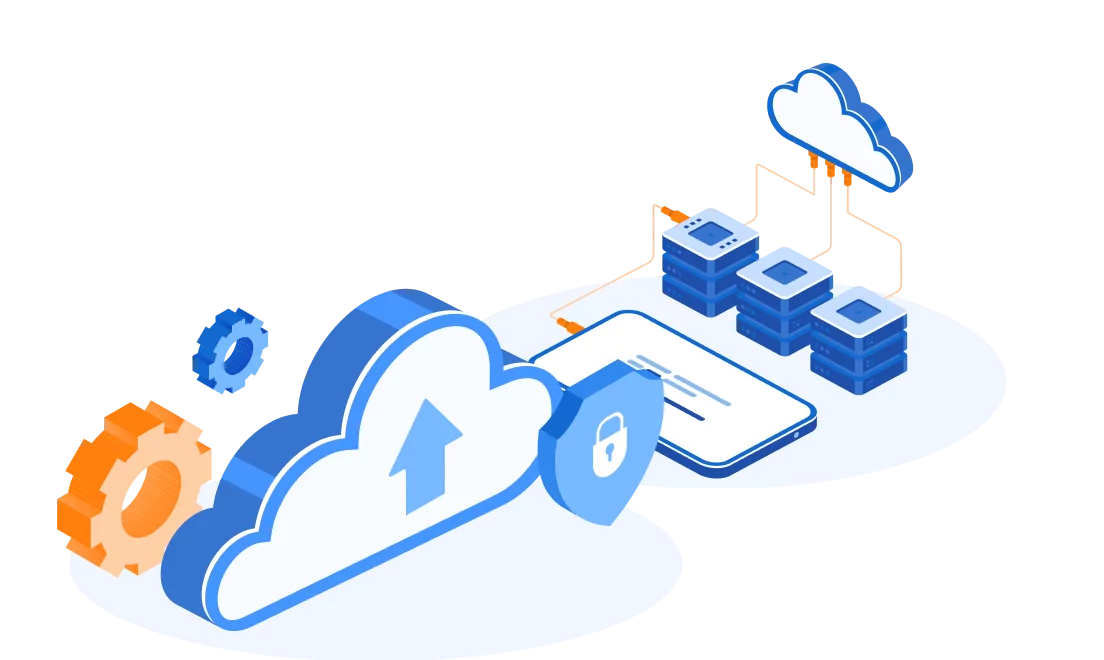
A cloud modernization strategy is a structured approach to improving existing systems by moving them to the cloud and redesigning how they work. It is not only about migrating data or applications, but about making systems more flexible, scalable, and easier to manage.
For small and mid-size retail businesses, this often starts with a simple question: Should we keep our current system, improve it, or rebuild it?
More than just moving to the cloud
Many businesses think cloud modernization means “moving everything to the cloud.” In reality, that is only the first step.
A true cloud modernization strategy focuses on:
- Improving system performance
- Reducing operational complexity
- Making it easier to scale during peak demand
- Supporting new features and integrations
For example, a retailer may move its e-commerce platform to the cloud, but without redesigning the system, it may still face slow updates or high costs. Modernization ensures the system is built in a way that takes full advantage of cloud capabilities.
Different approaches to modernization
There is no single way to modernize systems. Businesses usually choose one of these approaches depending on their needs:
- Rehosting (lift-and-shift)
Moving existing systems to the cloud without major changes. This is faster but may not fully improve efficiency. - Refactoring
Updating parts of the system to make them more scalable and efficient while keeping the core structure. - Rebuilding
Creating a new system from scratch using cloud-native technologies.
In real-world retail cases, companies often combine these approaches. For example, Fanatics, a global retail platform, migrated thousands of servers to AWS while also improving system performance and reducing infrastructure costs.
Why strategy matters for retail SMEs
For small and mid-size retail businesses, having a clear strategy is especially important. Without it, modernization can become expensive and difficult to manage.
A good cloud modernization strategy helps businesses:
- Prioritize what to modernize first
- Avoid unnecessary costs
- Reduce risks during migration
- Align technology with business goals
Instead of trying to change everything at once, businesses can modernize step by step while still keeping operations running smoothly. At its core, cloud modernization is about preparing for the future. Retail businesses need systems that can handle more customers, more data, and more channels without slowing down. With the right strategy, modernization becomes more than a technical upgrade. It becomes a way to build a stronger, more adaptable business.
Customer expectations are changing faster than systems
Retail has shifted from simple transactions to full customer experiences. Today’s customers expect real-time inventory updates, personalized offers, and seamless shopping across online and offline channels.
Legacy systems often struggle to support these expectations. They lack the flexibility to integrate new technologies such as AI-driven recommendations, real-time analytics, or omnichannel platforms. This creates a gap between what customers expect and what the business can deliver.
Hidden costs of staying with outdated systems
Many businesses continue using legacy systems because they appear stable and familiar. However, the real cost is often hidden.
Outdated systems can lead to:
- Higher maintenance and operational costs
- Security and compliance risks
- Missed opportunities for innovation
- Slower time to market for new features
Read more related blogs about Retail articles:
- How to Build a High-Performing E-commerce Store
- Optimizing Conversion Rates with Shopify Checkout Extensions
Key Cloud Modernization Strategies for Retail SMEs
A successful cloud modernization strategy is not about changing everything at once. For small and mid-size retail businesses, the goal is to modernize systems step by step while improving performance, flexibility, and cost efficiency.
Choosing the right cloud modernization strategy
One of the first decisions in any cloud modernization strategy is choosing how to upgrade existing systems. Not every business needs to rebuild everything from scratch.
Many retailers start with rehosting, where systems are moved to the cloud with minimal changes. This is faster and reduces infrastructure burden, but it does not fully unlock cloud benefits.
A more advanced approach is refactoring, where parts of the system are improved to become more scalable and efficient. This allows businesses to keep what works while upgrading critical components.
Some companies choose to rebuild key systems entirely. For example, large retailers like Walmart have invested heavily in rebuilding parts of their e-commerce platform to improve scalability and performance, allowing them to better compete in digital retail.
For SMEs, the best approach is often a combination of these methods, applied gradually.
Moving toward cloud-native architecture
Modern retail systems benefit from cloud-native design. This means building applications that are designed specifically for the cloud, rather than simply moving old systems into it.
Cloud-native systems allow businesses to:
- Scale automatically during peak demand
- Improve system reliability
- Deploy updates faster
Companies like Zalando have adopted cloud-native architecture to handle large volumes of traffic during sales events while maintaining stable performance.
For smaller retailers, adopting even part of this approach can significantly improve efficiency and reduce system limitations.
Improving system integration
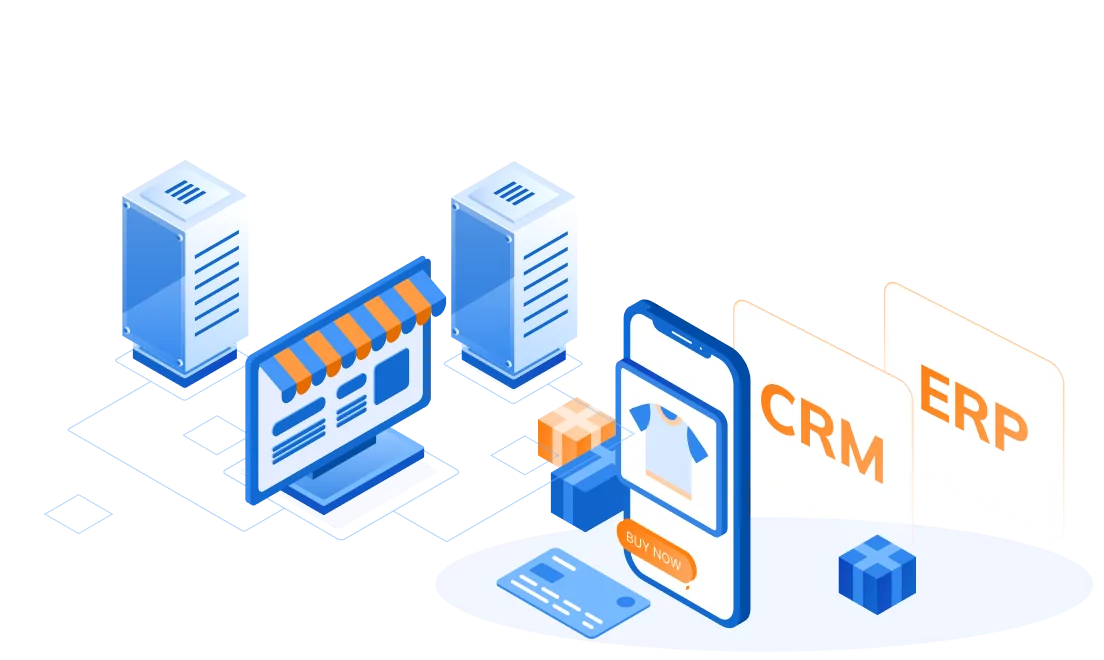
Retail businesses often use multiple systems, such as e-commerce platforms, inventory management, payment systems, and CRM tools. When these systems are not well connected, it creates delays, data inconsistencies, and higher operational costs.
A strong cloud modernization strategy focuses on improving integration through APIs. This allows systems to communicate more easily and share data in real time.
For example, companies that modernize their integration layer can:
- Sync inventory across online and offline channels
- Update customer data instantly
- Reduce manual processes
Better integration leads to smoother operations and a better customer experience.
Modernizing data and analytics systems
Data is a key asset in retail, but legacy systems often struggle to handle large volumes of data or provide real-time insights.
Cloud modernization allows businesses to:
- Store data more efficiently
- Process data faster
- Use analytics to improve decision-making
Retail companies that modernize their data systems can better understand customer behavior, optimize pricing, and improve marketing performance.
A practical approach for SMEs
For small and mid-size retail businesses, the most effective cloud modernization strategy is not about adopting every advanced technology at once. It is about making targeted improvements that deliver real business value.
By combining gradual upgrades, better integration, and smarter use of cloud resources, retailers can modernize their systems without taking on unnecessary risk or cost.
Technical Deep Dive: How Cloud Modernization Strategy Works in Retail Systems
To build a strong cloud modernization strategy, it is important to understand what actually changes at the technical level. For retail businesses, modernization is not just about moving systems to the cloud. It is about redesigning how applications, data, and infrastructure work together to support growth.
From monolithic systems to microservices
Many retail systems were originally built as monolithic applications, where everything runs in one large system. This makes it difficult to update or scale specific features.
Modern cloud systems use microservices architecture, where applications are split into smaller, independent services. Each service handles a specific function, such as product catalog, payment processing, or inventory. These services can be updated and scaled separately, making the system more flexible and efficient
For example, during a sales event, only the checkout or payment service needs to scale, instead of the entire system. This reduces resource usage and improves performance.
Using containers for flexibility and consistency
Another key part of cloud modernization is the use of containers. Containers package applications with all their dependencies, allowing them to run consistently across different environments.
This means:
- Applications can be deployed faster
- Systems behave the same in development and production
- Scaling becomes easier and more predictable
Containers also support microservices by allowing each service to run independently while still being easy to manage
Orchestrating systems with Kubernetes
As systems grow, managing many containers becomes complex. This is where orchestration tools like Kubernetes come in.
Kubernetes helps:
- Automatically scale applications based on demand
- Balance workloads across servers
- Restart failed services without manual intervention
For retail businesses, this is especially useful during high-traffic periods, ensuring systems stay stable without overusing resources.
Event-driven architecture for real-time retail
Modern retail systems need to respond quickly to customer actions. An event-driven architecture allows systems to react in real time.
For example:
- A customer places an order → inventory updates immediately
- A product runs out of stock → promotions stop automatically
This approach improves responsiveness and avoids delays that can affect customer experience. It also helps systems handle high traffic more efficiently by processing events asynchronously
API-first integration across systems
Retail businesses often rely on multiple systems, such as e-commerce platforms, payment gateways, and logistics services. Cloud modernization uses an API-first approach to connect these systems.
APIs act as standard interfaces that allow systems to communicate securely and efficiently. This makes it easier to:
- Sync data across channels
- Add new tools without rebuilding systems
- Maintain consistency across operations
API-based integration is a key part of modern retail platforms and supports long-term scalability.
How SupremeTech Helps Retail Businesses Modernize Their Cloud Systems
Applying the right cloud modernization strategy is not only about choosing tools, but about building the right system from the start.
SupremeTech helps retail businesses design and implement scalable solutions through custom software development, ensuring systems are built to match real business needs.
By improving cloud architecture, businesses can reduce system complexity, improve performance, and control infrastructure costs more effectively.
SupremeTech also supports system integration, helping connect e-commerce platforms, inventory systems, and customer data into one seamless flow.
With strong experience in DevOps and automation, businesses can scale resources based on demand, reduce manual work, and maintain system stability.
For retail SMEs, this means building a modern, flexible platform that supports growth without increasing technical complexity.
Conclusion
A well-planned cloud modernization strategy can make a major difference for small and mid-size retail businesses. Instead of struggling with outdated systems, businesses can build a more flexible and scalable foundation that supports growth and improves customer experience.
However, modernization is not about changing everything at once. The most effective approach is to take it step by step, focus on business priorities, and build systems that can evolve over time. Companies that treat modernization as a continuous process often see better results in both performance and cost efficiency.
📩 Read more articles about us at our blogs.
☎️Contact us to see how we can support your loyalty app strategy.
A cloud modernization strategy is a plan to upgrade existing systems by moving them to the cloud and improving how they are built, integrated, and scaled.
Retail SMEs need cloud modernization to overcome limitations of legacy systems, improve customer experience, and support business growth through scalable and flexible technology.
Cloud modernization helps improve system performance, reduce maintenance costs, enable better integration, and support faster innovation and scalability.
Cloud modernization can require initial investment, but it often reduces long-term costs by improving efficiency, reducing maintenance, and optimizing resource usage.
SupremeTech helps retail businesses with custom software development, cloud architecture, system integration, and DevOps automation to build scalable and efficient systems that support growth..