












The Future of Customer Data Platform in Retail
03/03/2026
932
Customer data has become the foundation of competitive advantage in retail. SupremeTech knows that as shoppers interact with brands online, in mobile apps, in physical stores, and through loyalty programs, the amount of customer information available to retailers grows rapidly. However, the challenge for retail leaders is not simply collecting this data, it is unifying and using it in a way that drives better experiences, stronger loyalty, and measurable business outcomes. A Customer Data Platform (CDP) addresses this need by bringing data together and making it useful for personalization, analytics, and decision-making.
Looking ahead, the future of customer data platform technology in retail is shaped by emerging trends such as real-time data processing, artificial intelligence, privacy-centric data strategies, and flexible architectures that support modern retail demands. As CDPs evolve, they are becoming more than tools for unifying data, they are engines for real-time personalization, predictive engagement, and strategic decision-making.
What Is a Customer Data Platform (CDP) in Retail
In retail, a Customer Data Platform (CDP) is software designed to bring customer data together from many different sources so it can be used in a unified, meaningful way. A CDP collects customer information such as website behavior, purchase history, loyalty status, and app activity and combines it into a single customer profile that can be shared with other systems and teams.
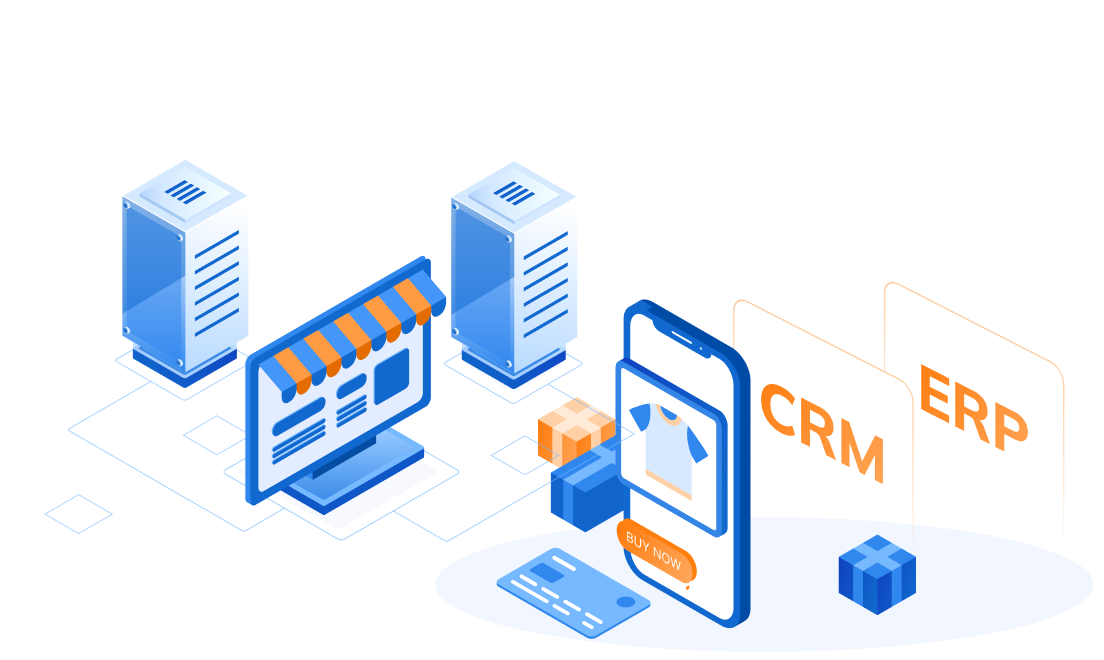
This unified customer view is important for retail brands because it helps break down data silos created when information is stored separately in POS systems, CRM tools, payment systems, and other technologies. A CDP ensures that all teams including marketing, customer service, eCommerce, and analytics are working from the same accurate customer data, making it easier to coordinate personalized experiences at scale.
In simple terms, a CDP acts as the data foundation for retail brands that want to understand their customers fully and use that understanding to improve marketing, sales, and customer service outcomes. It is not just a database but it is a platform that makes customer data usable across the enterprise.
Market Growth and Adoption Trends of CDPs in Retail
The adoption of customer data platforms in retail is not just a trend, it’s a market force accelerating quickly as businesses seek ways to unify customer data and deliver more personalized experiences. Research shows the market for customer data platforms is expanding at a strong pace, signaling that the future of customer data platform technology in retail will be shaped by continued investment and broader use across the industry
Market analysts estimate the global CDP market will grow significantly in the coming years. Some projections indicate the market could expand from under USD 10 billion in the mid-2020s to more than USD 37 billion by 2030, driven by increasing demand for unified data infrastructure and omnichannel customer management.

Retail and e-commerce businesses are among the leading adopters of CDP technology, largely because they deal with large volumes of fragmented data from online, mobile, in-store, and loyalty systems. These sectors are adopting CDPs to streamline data integration, improve customer understanding, and deliver personalized customer journeys across channels.
Across regions, North America currently leads in CDP adoption due to early technology investment and high digital engagement, while markets in Europe and Asia-Pacific are rapidly expanding as digital commerce and data-driven marketing practices spread.
Additional research shows that most marketing teams plan to increase their CDP spending, reflecting confidence in the value of unified customer data for personalization and strategic decision-making. This aligns with findings from industry surveys that highlight growing interest and investment in data platforms.
Taken together, these trends illustrate that CDPs are moving from early adoption into mainstream retail technology stacks. The future of customer data platform adoption in retail is characterized by strong growth, widespread integration with digital strategies, and a growing role in personalization, analytics, and customer engagement.
Key Future Trends Shaping the Future of Customer Data Platform
The future of customer data platform technology in retail is being shaped by several major trends that are transforming how brands collect, manage, and use customer information. These trends are not short-term fads but signals of how CDPs will evolve to meet real business needs.
Real-Time Activation and AI Integration
In the future, CDPs will increasingly process and act on customer data in real time, using artificial intelligence to manage personalization and engagement. Retailers are already using advanced CDP implementations to respond instantly to customer behavior. For example, triggering real-time offers, recommendations, or messages based on live interactions. Platforms such as Salesforce Data Cloud unify customer behavior from websites, apps, CRM, and other sources in real time and use AI to deliver hyper-personalized experiences across channels, improving relevance and customer satisfaction.
Privacy-First and First-Party Data Strategies
As privacy regulations tighten and third-party identifiers become less reliable, retailers are shifting toward strategies that rely on first-party data, information collected directly from customers through owned channels. Future CDPs will be essential to managing consent, privacy preferences, and trusted data handling. By securely centralizing customer data and consent records, CDPs help retailers comply with privacy standards while still enabling personalized engagement. This privacy-centric approach builds customer trust and prepares retail brands for stricter data regulations in the years ahead.
Cross-Channel Consistency and Unified Commerce
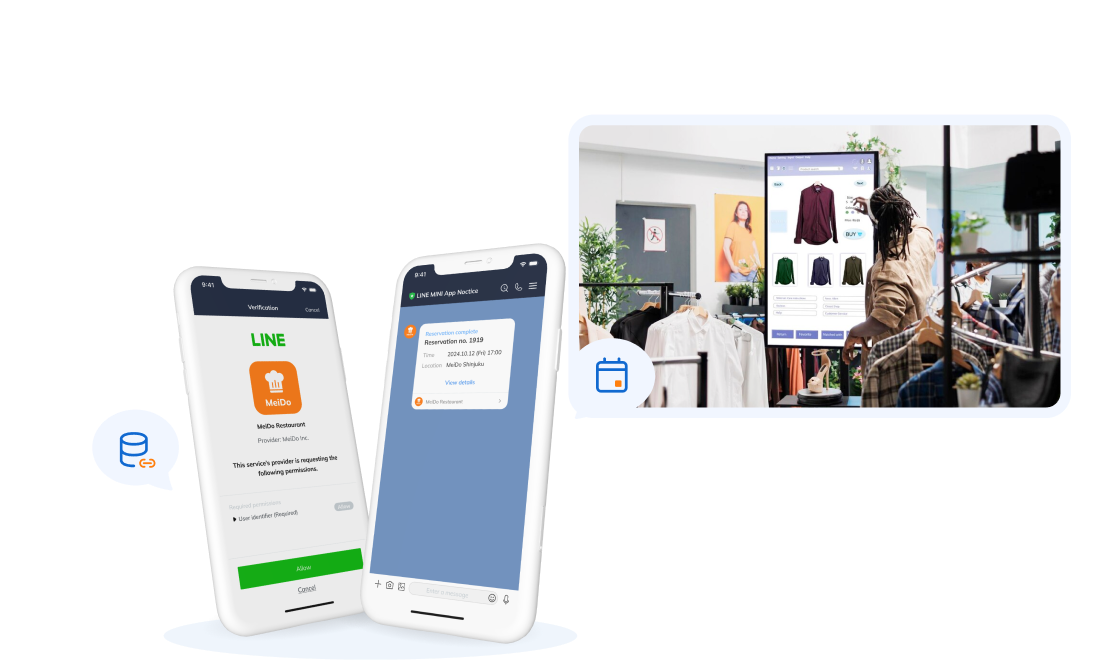
Retailers with advanced CDP strategies unify customer interactions across online, mobile, and in-store channels to ensure consistent experiences. Real-world retail CDP projects often involve unifying shopping preferences, loyalty interactions, and purchase history so that customers see relevant product suggestions and offers regardless of the channel. This cross-channel view comes from CDP data unification and shared profiles that power personalization across touchpoints.
Composable and Warehouse-Native Architectures
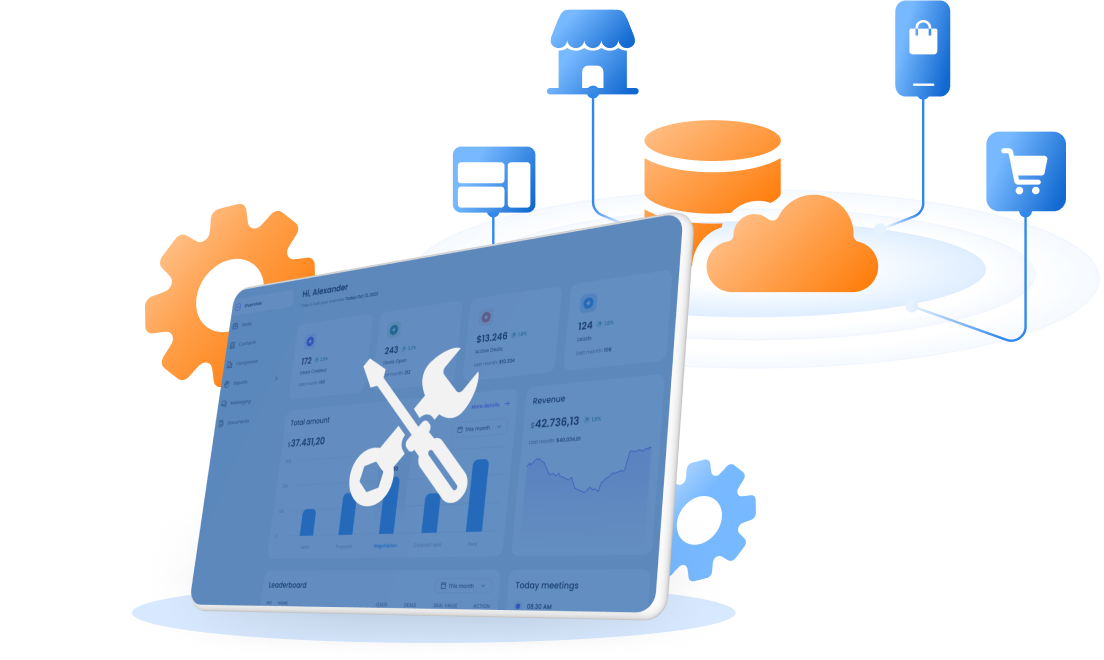
Another significant trend is the rise of composable or warehouse-native CDP architectures. In this model, customer profiles and data operations exist in the retailer’s existing cloud data warehouse rather than a separate database. This lets retailers use modular components for identity resolution, segmentation, and activation without duplicating data across systems. CDP ecosystems built this way offer flexibility, lower redundancy, and better alignment with enterprise data stacks, allowing teams to quickly adapt to new data needs and minimize technical bottlenecks.
Cross-Channel Consistency and Unified Commerce
Finally, the future of customer data platform adoption in retail supports unified experiences across all customer touchpoints: online, mobile, in-store, social, and more. As CDPs unify customer interactions into a single profile, retailers can deliver consistent messaging and experiences regardless of channel or device. This unified commerce approach ensures that whether a customer browses online, interacts with a mobile app, or visits a physical store, the brand recognizes their behavior and preferences and provides seamless personalization. This trend reflects broader expectations for data-driven retail experiences in a highly connected shopping landscape.
Read more related blogs about CDP:
- Understanding Key Differences Between Customer Data Platform vs Data Lake
- What is Customer Master Data? Customer Master Data Management Best Practices
- Advantages and Disadvantages of Marketing Automation that Marketers Should Know
Challenges Retailers Face on the Path to the Future of CDPs
While CDPs offer significant value for retailers, adopting and scaling them is not without challenges. Understanding these obstacles is essential for retail leaders planning how to leverage the future of customer data platform technology effectively.
Data and Integration Complexity
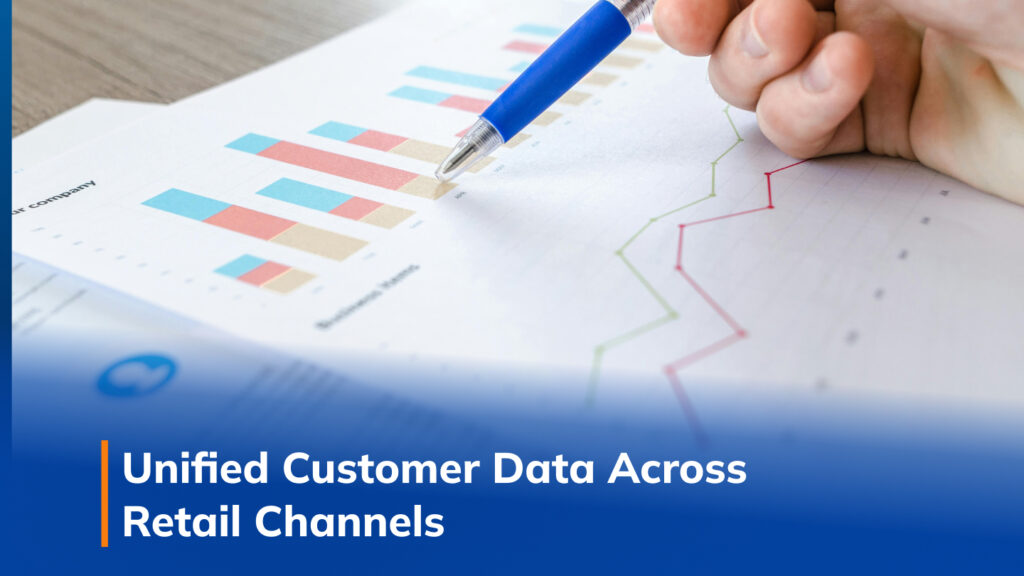
One of the most common challenges retailers face is fragmented data spread across multiple systems. Customer data often lives in separate systems such as ecommerce platforms, POS, loyalty programs, and CRM tools. When these systems don’t communicate, retailers struggle to build a true single view of the customer, which reduces the effectiveness of personalization and insights. According to industry research, disconnected customer systems prevent a unified view that enables consistent experiences across channels.
Poor Data Quality and Consistency
Issues with data quality can severely impact the effectiveness of a CDP. Inconsistent formats, duplicate records, missing fields, and errors in customer data make it difficult for a CDP to generate accurate customer profiles. Some retailers find that deploying a CDP quickly exposes these existing data problems, forcing them to invest additional time and resources in data cleansing and governance before they can achieve reliable results.
Scalability and Peak Load Performance
Retailers have to deal with fluctuating data volumes, especially during peak sales periods like holidays or major promotions. CDPs must be able to handle large bursts of activity without slowing performance or missing critical updates. If a CDP cannot ingest and process data in near real time under heavy load, the organization risks delays in activation and lost opportunities for timely engagement.
Organizational Buy-In and Coordination
A CDP impacts multiple departments, not just marketing but also IT, analytics, customer service, and operations. Lack of alignment across these teams can hinder CDP adoption and reduce its business impact. Without a clear governance structure and shared goals, different departments may implement data processes inconsistently, leading to fragmented usage and reduced value.
Strategic Steps for Retailers Preparing for the Future of CDP
To fully benefit from the future of customer data platform in retail, companies need a structured, strategic approach. Simply purchasing a CDP tool is not enough, successful adoption requires planning, preparation, and alignment across teams. The following steps can help retailers prepare their organization and technology stack for a future built around unified customer data and real-time engagement.
1. Define Clear Business Goals and Use Cases
Start by identifying why your business needs a CDP and what problems it should solve. Whether the focus is on personalization, loyalty improvement, reducing churn, or connecting online and offline channels, clear objectives help guide implementation and measure impact. Defining priority use cases first helps teams focus on high-impact scenarios that can deliver results quickly and build momentum for broader adoption.
2. Assess Your Customer Data Landscape
Before implementation, conduct an audit of where customer data currently lives, how it flows, and what gaps exist. This includes identifying sources such as ecommerce platforms, POS systems, mobile apps, CRM, and loyalty programs. Establishing what data is available and what is missing will help you determine the scope of your CDP implementation and what integrations are needed.
3. Build Cross-Functional Support
A CDP affects many parts of the business: marketing, analytics, customer service, IT, and operations. Early alignment across these groups ensures that the CDP’s role and responsibilities are understood and that it supports shared goals rather than operating in a silo. Assigning a central owner or team responsible for the CDP roadmap helps maintain accountability and coordination.
4. Prioritize Data Governance and Quality
High-quality data is the foundation of a successful CDP implementation. Invest time and resources in data cleansing, standardization, and governance processes before full rollout. Ensuring the data is accurate, consistent, and compliant with privacy regulations like GDPR or CCPA sets the stage for reliable activation and personalization.
Conclusion
The future of customer data platform in retail is not a distant idea, it is unfolding now as brands seek to unify data, deliver consistent personalization, and respect customer privacy. CDPs are evolving beyond simple data storage tools into platforms that drive real-time engagement, predictive insights, and cross-channel consistency. Retailers that prepare strategically by defining clear goals, improving data quality, enabling real-time activation, and aligning teams will be best positioned to capture the value of these developments.
📩 Read more articles about us at our blogs.
☎️Contact us to see how we can support your loyalty app strategy.
The future of customer data platform in retail includes real-time data activation, AI-driven personalization, privacy-first first-party data strategies, flexible architectures like composable CDPs, and predictive customer engagement that support unified commerce and strategic decision making.
CDPs are becoming more important because they unify fragmented customer data from online, mobile, and in-store channels into complete profiles, enabling personalization, improved loyalty, predictive analytics, and consistent customer engagement that drives business growth.
Retailers should watch trends such as real-time data processing and activation, privacy-first data governance, AI and predictive analytics, composable CDP architectures that integrate with data warehouses, and cross-channel customer journey orchestration.
AI will enhance retail CDPs by enabling automated segmentation, predictive behavior analysis, product recommendations, and dynamic campaign optimization.
Real time data allows retailers to respond instantly to customer behavior, deliver personalized offers, and improve in store and online experiences.