








What is Headless Commerce? Choose the Best Headless Commerce Platform
06/05/2026
555
Best headless commerce platform is a useful question only after the business understands what headless commerce is trying to solve. In simple terms, headless commerce separates the customer-facing storefront from the backend commerce engine, which gives teams more freedom to build custom shopping experiences, move faster across channels, and adapt the frontend without rebuilding the core commerce logic. Shopify, Adobe, BigCommerce, and commercetools all describe headless commerce around this same core idea: a decoupled frontend connected to backend commerce services through APIs.
That technical definition matters, but it is not the full reason businesses consider headless. The real appeal is usually strategic. As ecommerce grows, many teams find that traditional storefront architectures make it harder to customize the customer experience, support multiple touchpoints, or move quickly when product, marketing, and engineering priorities change. Headless commerce is often explored when a business needs more flexibility, better scalability, or a stronger foundation for future digital growth.
For decision-makers, that changes the way the platform question should be framed. The goal is not simply to find the most popular headless commerce option. The goal is to choose the platform that fits the business’s architecture, delivery model, customization needs, and long-term operating reality. That is why this topic should begin with clarity on the concept first, before moving into platform comparison.
What Is Headless Commerce?
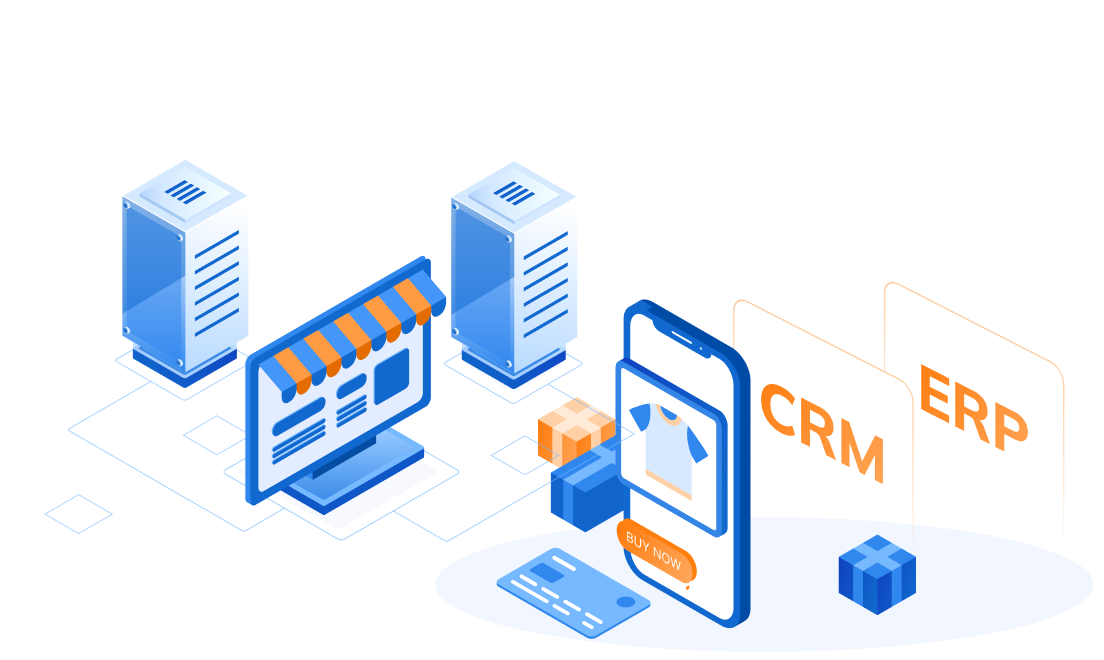
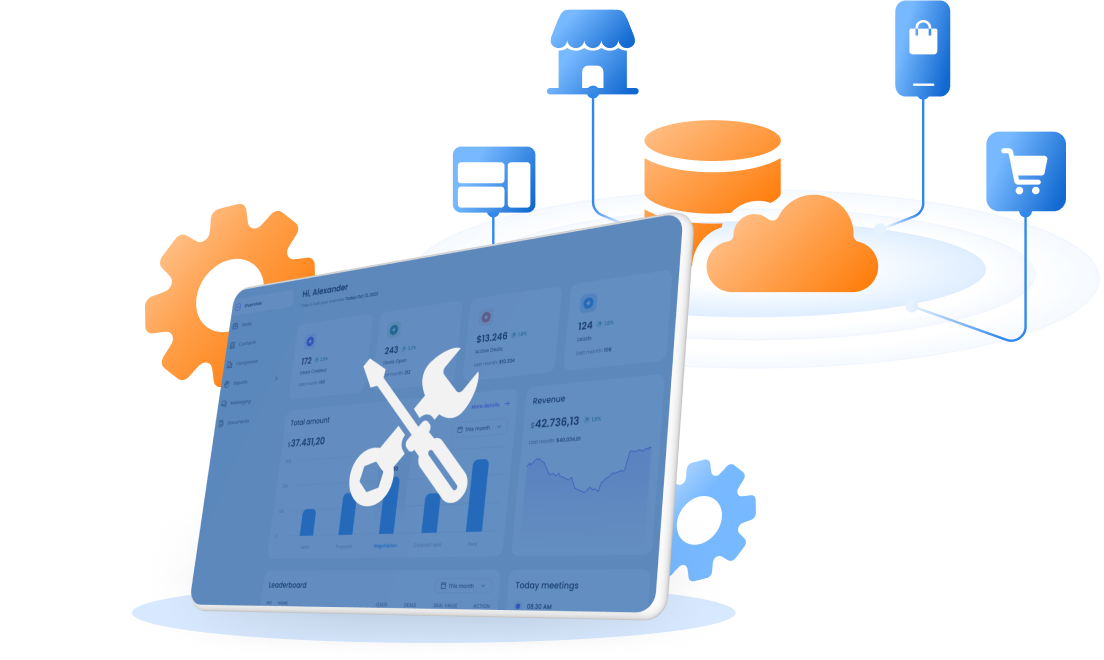
Headless commerce is an ecommerce architecture in which the frontend, meaning the part customers see and interact with, is separated from the backend, where product data, checkout logic, promotions, inventory, and order management are handled. The connection between the two happens through APIs, which allows the business to build and change the storefront experience more independently from the commerce engine underneath. Shopify describes this as full creative control across touchpoints powered by its commerce platform, while Adobe highlights a decoupled architecture delivered through GraphQL APIs.
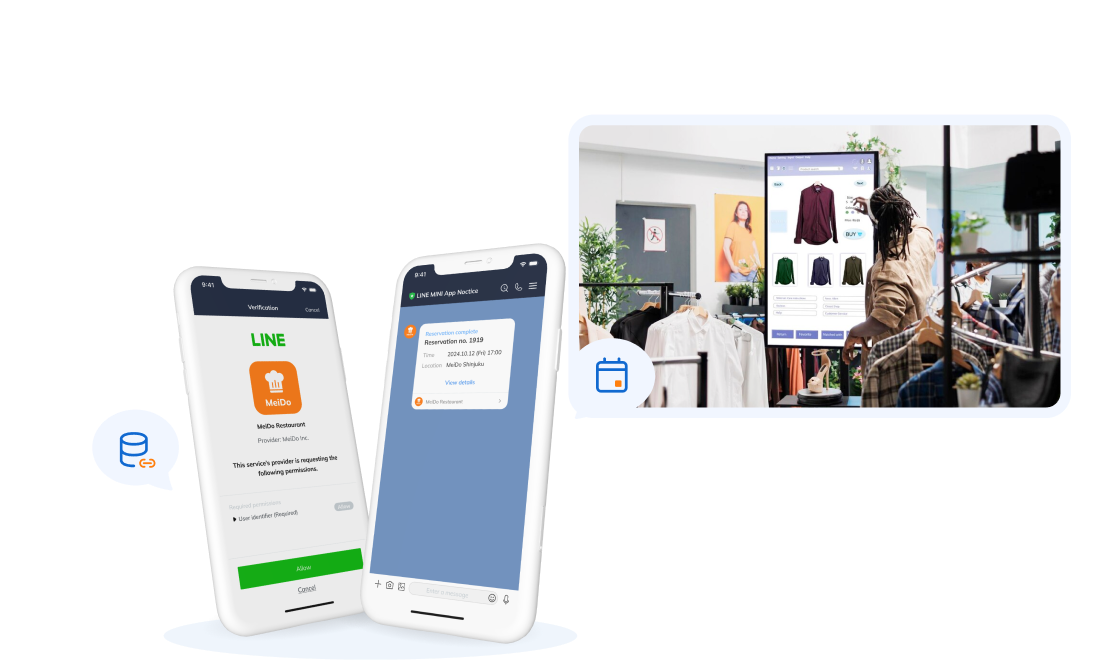
This matters because modern commerce no longer happens in one fixed storefront. Businesses may need to serve customers across web, mobile apps, content-led landing pages, digital kiosks, regional storefronts, or other branded experiences. In a more traditional setup, frontend changes are often closely tied to backend constraints. In a headless model, teams can create more tailored experiences without being limited by the presentation layer of a monolithic platform.
That does not automatically make headless the best choice for every business. It creates more flexibility, but it also introduces more implementation responsibility. A business needs stronger architecture planning, clearer development ownership, and a delivery model that can support custom frontend work over time. This is why headless commerce should not be treated as a trend decision. It should be treated as an operating model decision. The businesses that benefit most are usually the ones that have a real need for frontend freedom, omnichannel experience control, or more scalable digital product development.
Why Businesses Move to Headless Commerce
Businesses usually move to headless commerce when the standard storefront model starts limiting what they want to build. The issue is often not that the current ecommerce platform stops working. It is that the business wants more freedom to shape the frontend experience, launch across more channels, or support a faster pace of digital change than a tightly coupled architecture can handle. Shopify describes headless as a way to build custom storefronts across channels while keeping the underlying commerce capabilities in place, and Adobe presents headless commerce as a model that gives teams more control over content-rich and experience-led commerce journeys.
One common reason is experience flexibility. As ecommerce grows, many brands want storefronts that do more than display products and process transactions. They may want richer editorial content, region-specific experiences, mobile-first journeys, or highly customized landing flows that are difficult to achieve in a traditional templated environment. BigCommerce explicitly positions headless around enabling commerce across CMS, DXP, mobile apps, and custom frontends, which reflects this need for greater frontend control.
Another reason is omnichannel growth. Modern commerce often extends beyond one website. Businesses may need to serve customers through apps, social channels, kiosks, branded microsites, or other digital touchpoints. In a headless setup, the backend commerce logic can support multiple frontend experiences more flexibly through APIs. commercetools frames this as an API-first, cloud-native, headless model for delivering commerce across channels and touchpoints, which helps explain why larger or more digitally ambitious businesses often consider it.
A third reason is faster iteration across teams. In a tightly coupled setup, frontend changes may depend heavily on the backend platform’s constraints, release cycles, or theming logic. In a headless model, frontend teams can often move more independently, which can be valuable when product, marketing, and engineering teams all need to test, improve, and localize experiences quickly. This does not remove complexity, but it can give the business more room to evolve the digital experience without reworking the entire commerce core each time. Shopify and Adobe both emphasize this flexibility in their headless positioning.
That said, businesses do not move to headless only for technical elegance. They move when the business case becomes strong enough. A company with straightforward storefront needs may not gain much from a more customizable architecture if it also increases implementation and maintenance effort. Headless tends to make more sense when customization, performance, omnichannel expansion, or long-term digital product flexibility are becoming strategic priorities rather than optional upgrades.
Read related articles about E-commerce:
- How to Build a Cloud-Based Customer Data Pipeline for Omnichannel Retail
- Best Practices for Retail Customer Data Platform Success in Modernizing Omnichannel Systems
Best Headless Commerce Platform Options to Evaluate
When people search for the best headless commerce platform, they are usually not looking for one universal winner. They are trying to understand which platform is the best fit for their business model, customization needs, and delivery reality. That is why this section works best when the options are grouped by practical fit rather than ranked too aggressively.
1. Shopify for brands that want a strong commerce core with a more guided headless path
Shopify is often a strong option for businesses that want headless flexibility without taking on a fully open-ended implementation model. Its headless offering combines the Storefront API with Hydrogen and Oxygen, which Shopify presents as its official development stack for production-ready headless storefronts. Shopify also positions headless around full creative control across touchpoints while still using its commerce platform underneath.
Why it stands out
- strong ecosystem and commerce foundation
- more guided path for storefront development
- useful for brands that want custom frontend experiences without rebuilding every part of the commerce stack
Best fit
- growth-stage and mid-market brands
- businesses that want faster headless adoption with a strong platform backbone
- teams that want custom storefront flexibility but still value platform structure
2. BigCommerce for businesses that want headless flexibility with broader frontend choice
BigCommerce positions itself as an API-first platform that can power commerce functionality on a CMS, DXP, or custom frontend. Its developer documentation also highlights starter apps and pre-built options for headless storefront implementation, which can help teams avoid building everything from scratch.
Why it stands out
- flexible frontend options
- strong support for content-led or custom experiences
- practical fit for teams that want headless without the cost or complexity of a fully composable enterprise model
Best fit
- mid-market businesses
- brands with strong content-commerce needs
- teams that want more flexibility than a traditional storefront but still want a manageable path to implementation
3. Adobe Commerce for businesses that need deep customization and broader commerce architecture control
Adobe Commerce presents itself as fully headless, with a decoupled architecture that provides commerce services and data through a GraphQL API layer. Adobe also emphasizes PWA Studio, GraphQL, and broader development tools for building high-performance storefronts and integrations. This makes Adobe relevant for businesses that need deeper customization and broader enterprise integration possibilities.
Why it stands out
- deep flexibility for custom implementations
- strong fit for more complex commerce environments
- supports headless storefronts and broader integration-heavy architectures
Best fit
- larger businesses with stronger technical resources
- organizations with more complex commerce, content, or integration requirements
- teams that want headless as part of a broader enterprise architecture
4. commercetools for enterprises pursuing composable commerce more aggressively
commercetools is one of the clearest enterprise examples of API-first, headless, composable commerce. Its official documentation describes the platform as a cloud-native, headless commerce solution designed for customized experiences, while its platform messaging centers on enterprise commerce and unified experiences across touchpoints.
Why it stands out
- strong composable commerce positioning
- built for highly customized, enterprise-scale commerce environments
- suitable for businesses that want to assemble a more modular commerce stack
Best fit
- enterprise organizations
- businesses with multi-brand, multi-region, or highly customized commerce requirements
- teams with the maturity to manage a more composable delivery model
A practical way to compare them
Instead of asking which platform is best overall, decision-makers usually get better results by asking:
- Which platform best matches our frontend flexibility needs?
- Which one fits our integration complexity?
- Which one matches our team’s implementation capacity?
- Which one supports our future scale without creating an unnecessary delivery burden?
That is the real comparison. A platform can be strong on paper and still be the wrong fit if the business does not need that much architectural freedom or cannot support the implementation model well over time.
Conclusion
The best headless commerce platform is rarely the one with the most impressive architecture on paper. It is the one that fits the business’s actual goals across frontend flexibility, integration complexity, delivery capacity, and long-term maintainability. Official platform materials make that tradeoff clear in different ways: Shopify emphasizes creative control and custom storefronts backed by its commerce platform, BigCommerce positions headless around API-first flexibility across CMS and custom frontends, Adobe focuses on decoupled architecture through APIs, and commercetools centers its model on API-first composable commerce.
For decision-makers, the real value of headless commerce is not just technical freedom. It is the ability to create a commerce foundation that can support better digital experiences, faster iteration, and long-term growth without locking the business into a storefront model that becomes harder to evolve. That is also why choosing the right implementation approach and the right delivery partner matters almost as much as choosing the platform itself. Contact SupremeTech for consulting on this matter!
FAQs Section
Headless commerce is an ecommerce architecture that separates the frontend customer experience from the backend commerce engine, typically connecting them through APIs. Platform documentation from Shopify, Adobe, BigCommerce, and commercetools all describes headless around this decoupled model.
The best headless commerce platform is the one that best matches the business’s needs for frontend flexibility, backend integration, team capacity, and future scalability. Different vendors emphasize different strengths, from guided storefront development to more composable enterprise architecture.
No. Headless commerce can provide more flexibility, but it also increases implementation responsibility. It is usually more suitable for businesses that need custom storefront experiences, omnichannel flexibility, or a more scalable digital architecture.
Shopify is often a strong fit for businesses that want custom storefront flexibility with a more guided path through tools such as Hydrogen, Oxygen, and the Storefront API while still using Shopify’s commerce platform underneath.
A business should consider a more composable platform when it needs highly customized, enterprise-scale commerce architecture, broader modularity, or a more API-first operating model across multiple touchpoints and systems.
The implementation partner matters because headless commerce adds more architectural and delivery responsibility. Success depends not only on platform choice, but also on how well the business can build, integrate, and maintain the solution over time.