








How Subscription-Based Loyalty Programs Are Changing Retail Loyalty Strategies
09/02/2026
2.31k
Retail loyalty strategies are evolving as customer expectations continue to rise. While point-based loyalty programs remain an important foundation for many retailers, more brands are now exploring subscription based loyalty programs to deliver ongoing value and build deeper customer commitment. These models offer consistent benefits in exchange for membership, creating a different way to engage and retain customers.
In this article, we explore how subscription based loyalty programs are changing retail loyalty strategies, how they compare with traditional point-based loyalty, and how retailers can combine both approaches to build a more effective and scalable loyalty ecosystem.
What Are Subscription Based Loyalty Programs?
A subscription based loyalty program is a type of customer loyalty model in which customers pay a regular fee typically monthly or annually to receive ongoing benefits and perks. The key difference from traditional loyalty schemes is that subscribers aren’t earning rewards solely through purchasing behavior. Instead, they enjoy guaranteed perks simply by being part of the program.
In contrast with points or tiered systems that reward customers after each purchase, subscription loyalty programs emphasize value continuity. The customers know what benefits they will receive as long as their membership remains active. This makes subscription loyalty easier for customers to understand and engage with and can strengthen their ongoing relationship with a brand.
How Subscription Based Loyalty Programs Work
Subscription based loyalty programs typically involve the following elements:
- Enrollment and payment: Customers choose to join a program by agreeing to a recurring fee, such as a monthly or annual membership.
- Consistent benefits: Members receive set perks over the membership period. For example, free shipping, discounted prices, early access to new products, or exclusive customer service.
- Member communication and engagement: Retailers often use member data to send targeted offers, reminders, and personalized experiences that keep the subscription feeling valuable.
Because members are already invested financially, they tend to engage more consistently with the brand, helping convert occasional buyers into repeat customers.
Examples of Subscription Based Loyalty Programs
Some of the most successful subscription based loyalty programs are found in major retail and commerce brands. Amazon Prime is a clear example: members pay an annual fee to get benefits like free delivery and special deals, which keeps them coming back and increases their overall spend on the platform.
Subscription loyalty is not limited to online giants. Many niche brands now offer membership benefits through pay-to-join programs that create predictable value for customers while building long-term loyalty and stable revenue flows.
Read more related blogs about Loyalty Programs:
- How a Loyalty Points System Works in Modern Retail Platforms
- Best Practices for Loyalty App Software from Technical Viewpoint
How Subscription Based Loyalty Programs Work
Subscription based loyalty programs differ in structure from traditional point-based systems, yet they share the same ultimate goal: creating stronger, longer-lasting relationships with customers. Instead of relying primarily on points that customers must earn and redeem, subscription models give members ongoing benefits in exchange for a recurring commitment, often a monthly or annual fee. This creates a predictable and engaging loyalty experience.
Here’s a clear step-by-step look at how these programs typically operate:
Enrollment and Membership Commitment
The first step in a subscription based loyalty program is enrollment. Customers are invited to join the program by agreeing to a recurring payment, usually monthly or yearly to gain access to predefined benefits. This payment can signal to the customer that they are part of an exclusive group, which increases the perceived value of membership.
Paid loyalty models don’t have to involve money directly. In some cases, companies may require another form of commitment such as completing a profile or opting into ongoing engagement but the defining feature remains a continuous value exchange rather than one-off rewards.
Ongoing Access to Benefits
Once subscribed, customers receive guaranteed benefits throughout the membership period. These benefits vary by program but commonly include:
- Free or faster shipping on orders
- Exclusive member-only pricing or discounts
- Early access to new products or limited-edition releases
- Special services or support options
Because these benefits are delivered consistently rather than sporadically, customers can quickly see the value of staying active in the program. This differs from traditional loyalty programs that may require points accumulation over many transactions before customers see a tangible benefit.
Personalization and Engagement
Subscription based loyalty programs often gather data on members’ behavior, preferences, and usage patterns. Retailers can then use this information to tailor offers, communications, and experiences back to the customer, reinforcing the value of being a member. Personalization not only makes the benefits feel more relevant but also increases engagement and long-term satisfaction.
These ongoing interactions are driven by data that can deepen loyalty because it helps create emotional value, not just transactional reward. Research suggests that psychological factors such as perceived value and trust shape how consumers respond to subscription models, influencing their loyalty and likelihood of renewal.
Renewal and Churn Management
Because a subscription creates a continuous relationship, a key operational step is the renewal process. Retailers need to ensure that members see ongoing value and thus choose to renew when their membership expires. This is where engagement decisions such as adding new benefits, personalized perks, and timely communication become critical to reducing churn.
Some retailers also provide features such as:
- Auto-renewal to simplify the membership experience
- Tier upgrades for long-term members
- Special anniversary perks to recognize loyalty
The focus here is continuity instead of periodic interaction, which gives companies a more stable view of future revenue and customer behavior.
Integration With Other Loyalty Elements
Subscription based loyalty doesn’t have to stand alone. In fact, many companies enhance these programs by integrating traditional loyalty features like points accrual and tiered rewards on top of subscription benefits. For example, a premium tier might combine a subscription fee with accelerated point earning or exclusive access to high-value rewards.
This hybrid strategy brings together the predictability of subscription benefits with the motivational triggers of point-based systems, leading to more complete loyalty ecosystems.
Why Retailers Are Adopting Subscription Based Loyalty Programs
Retailers are increasingly adding subscription based loyalty programs to their loyalty strategies because these programs support stronger customer commitment, more predictable revenue, and deeper customer insights. Subscription loyalty is not meant to replace point-based systems, but to complement them and address evolving customer expectations for ongoing value and convenience.
Predictable Revenue and Revenue Stability
One of the most straightforward benefits of subscription based loyalty programs is that they create predictable income streams for retailers. Rather than relying only on variable sales transactions or point redemptions, retailers earn recurring revenue from membership fees. This reduces income volatility and helps with financial planning, especially in industries with seasonal demand or fluctuating sales cycles. Retailers with recurring membership models can forecast revenue more accurately and allocate resources with greater confidence.
Stronger Customer Commitment
When customers choose to pay a fee for a subscription based loyalty program, they are taking a more active commitment to the brand. Paying customers are more likely to stay engaged because they want to maximise the value of their membership. This effect is supported by research showing that subscription experiences can deepen emotional and financial ties between customers and brands when the perceived value matches or exceeds the cost.
Subscription membership models also serve as a type of brand loyalty. When customers have ongoing access to valuable benefits like free delivery, or exclusive pricing, they are less likely to switch to competitors because they would lose accumulated value from their subscription.
Responding to Evolving Consumer Expectations
Consumer expectations for loyalty programs are rising. A recent industry analysis shows that customers are more willing to switch or cancel loyalty programs if they feel the value does not match their expectations. Offering subscription based loyalty programs helps retailers meet these expectations by delivering guaranteed benefits and making customers feel valued and recognized.
How Subscription Based Loyalty Programs and Point-Based Loyalty Can Work Together
As retail loyalty strategies evolve, leaders increasingly use subscription based loyalty programs alongside traditional point-based systems to create richer and more effective customer engagement models. Each approach offers distinct strengths, and combining them can help brands build stronger, long-lasting customer relationships.
How the Two Models Complement Each Other
Rather than viewing subscription based loyalty and point-based loyalty as competing approaches, the most successful retail strategies treat them as complementary pieces of a broader loyalty ecosystem.
Here’s how they can work together:
1. Differentiate Value for Different Customer Segments
Subscription loyalty is most effective when used to reward high-engagement or high-value customers who are willing to invest in ongoing benefits. A subscription tier can deliver guaranteed perks that justify the fee.
At the same time, point-based loyalty works well for a broader customer base that engages with a brand more casually or in lower-frequency purchase patterns. Customers can still earn rewards and build habits without paying upfront.
2. Deeper Engagement Within Subscription Tiers
Once customers subscribe, a points system can add an additional layer of value. For example, subscribers might earn accelerated points faster, unlock bonus point events, or access redemption options not available to non-subscribers. This hybrid model increases both perceived value and engagement.
3. Strengthen Long-Term Loyalty with Layered Rewards
Subscription membership offers consistent benefits that keep customers engaged month after month. When paired with points that reward specific actions or purchases, retail brands create a multi-layered loyalty experience that reinforces both regular behavior and long-term commitment. This combined strategy can improve repeat purchases and strengthen overall customer relationships.
4. Support Differentiated Marketing and Personalization
Data from both subscription and points interactions can fuel deeper customer insights. Subscription data tells businesses who their most committed customers are, while points data shows how customers engage with the brand. This combination supports segmentation strategies and personalized campaigns that drive stronger loyalty outcomes.
How SupremeTech Can Advise on Hybrid Loyalty Strategies

Evaluating whether and how to combine subscription and point-based loyalty models can be complex. Decisions about program design, pricing, benefit structure, and integration with existing systems can significantly impact customer experience and business outcomes.
This is where SupremeTech can support you. SupremeTech’s loyalty consulting and digital solutions expertise helps retail leaders:
- Assess customer segments and define the right mix of subscription and points incentives
- Design loyalty architectures that support both models within a unified platform
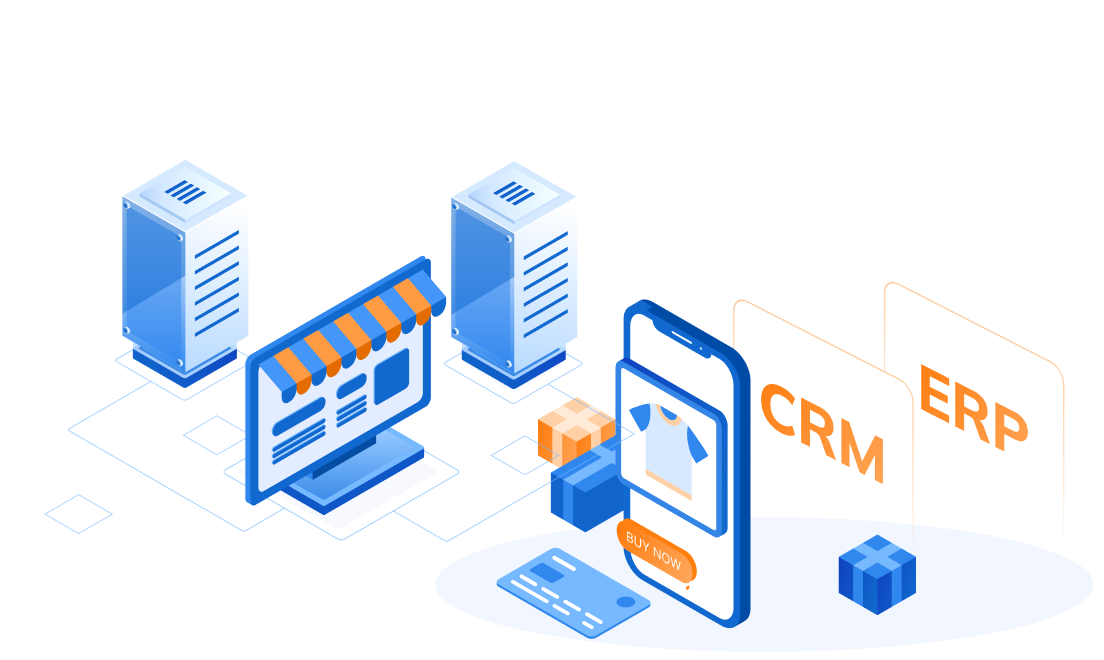
- Integrate loyalty systems with eCommerce, POS, CRM, and analytics tools
Conclusion
For retailers exploring how to balance point-based loyalty and subscription based loyalty programs, the key is strategy and system design. This is where SupremeTech can help. With experience in retail platforms, loyalty systems, and data-driven customer engagement, SupremeTech supports businesses in designing, integrating, and scaling loyalty models that fit real business goals, not just trends. If you are planning to evolve your loyalty strategy, consulting with SupremeTech can help you choose the right approach and build a loyalty ecosystem that grows with your business.
📩 Read more articles about us at our blogs.
☎️Contact us to see how we can support your loyalty app strategy.
A: Subscription based loyalty programs are loyalty models where customers pay a recurring fee, usually monthly or annually, to receive ongoing benefits such as exclusive discounts, free delivery, or early access to products. These programs focus on delivering consistent value rather than rewards earned only after purchases.
A: Subscription based loyalty programs can work alongside point-based loyalty by offering guaranteed benefits through membership, while points continue to reward customer actions like purchases or engagement. This hybrid approach helps retailers serve both high-value members and casual shoppers within one loyalty strategy.
A: Subscription based loyalty programs work best for retailers with frequent customer interactions and clear, ongoing benefits. They may not suit every business, which is why retailers often evaluate customer behavior, pricing sensitivity, and operational readiness before introducing a subscription model.
Retailers benefit from stable revenue streams, higher retention rates, deeper customer insights, and stronger brand loyalty.
Yes, especially for niche brands with strong customer communities. Even small retailers can offer premium membership tiers to enhance engagement and recurring revenue.