










Top Rated CDP Solutions for Enterprises: Why Small and Mid Sized Companies Can Benefit Too
02/03/2026
11
As enterprise decision makers evaluate the market, the phrase top rated CDP solutions for enterprises captures the key challenge: finding platforms that not only integrate and unify data effectively, but also scale with business needs, support security and compliance standards, and enable future-ready personalization strategies. The CDP landscape is crowded with options, each with different strengths and deployment models, making it essential for leaders to align their choice with long-term digital strategy rather than short-term features.
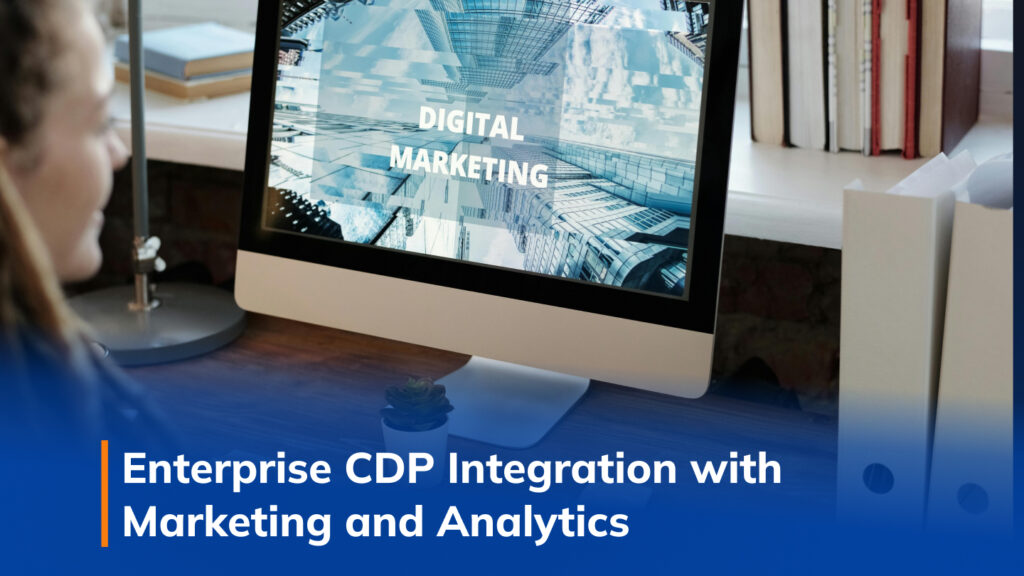
In this article, we help small and mid sized enterprise leaders understand the key criteria for selecting top rated CDP solutions for enterprises, how to compare options objectively, and how to align CDP investment with practical business goals. The focus is on helping SMEs evaluate CDP solutions realistically, avoid over engineered choices designed for large corporations, reduce implementation risks, and ensure their investment delivers measurable value across marketing, sales, customer service, and analytics.
What Is an Enterprise CDP and Why It’s Critical
An enterprise Customer Data Platform, or CDP, is software that brings customer data from many places into one place. It takes data from systems such as a company’s website, app, point-of-sale, email, and customer support tools, and creates a unified view of each customer that the business can use for marketing, service, and analytics. This helps teams understand customers better and act on that understanding more quickly and accurately.

Using a CDP also helps enterprises improve customer data governance and compliance with data privacy rules. By centralizing and organizing customer data, companies can better manage consent and protect sensitive information, which is important in global markets with strict privacy standards.
For enterprise leaders who are evaluating top rated CDP solutions for enterprises, understanding what a CDP does and why it matters helps set the right expectations. It’s not just a tool for marketing or analytics. It is the foundation that connects customer data to personalized customer engagement and long-term business growth.
How to Evaluate CDP Against Your Enterprise Needs
Choosing from a list of top rated CDP solutions for enterprises can be overwhelming, but a structured evaluation helps leaders make confident decisions that match both current needs and future goals. The right CDP should align with your business strategy, integrate with your systems, and provide long-term value.
Here’s a simple and practical way to evaluate CDP options:
Define Your Business Goals First
Start by understanding why your enterprise needs a CDP. Is your priority to unify customer data for personalization, improve marketing performance, support advanced analytics, or strengthen compliance? Clearly defining use cases helps you narrow down which features matter most.
Involve Key Stakeholders Early
CDP decisions impact many teams, including marketing, sales, customer success, IT, and analytics. Getting input from all relevant departments ensures the platform you choose will support real business workflows and reduce adoption risk.
List Your Core Requirements
Once your goals are clear, create a list of essential CDP requirements tied to those goals. These might include real-time processing, support for both online and offline data, identity resolution quality, privacy controls, and integration compatibility with existing systems. Prioritize these requirements to guide your evaluation.
Evaluate Integration and Technical Fit
A good enterprise CDP should work well with your current tech stack, such as CRM, eCommerce platforms, analytics tools, and marketing automation systems. Confirm which data sources and endpoints the CDP supports out of the box and whether it can scale with your future needs.
Compare Features and Vendor Capabilities
Create a simple comparison matrix to score potential CDPs on the capabilities that matter most. Consider factors such as data quality management, activation channels, real-time processing, and whether the solution includes built-in compliance and governance features.
Consider Total Cost and Support
Enterprise CDPs vary widely in pricing, implementation effort, and support resources. Include total cost of ownership in your evaluation, factoring not only licensing but also integration, training, and ongoing maintenance. Strong vendor support can significantly reduce implementation risk and accelerate time-to-value.
Read more related blogs about CDP:
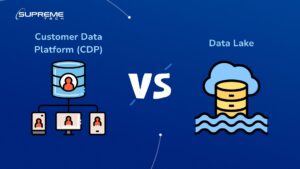
- Understanding Key Differences Between Customer Data Platform vs Data Lake
- What is Customer Master Data? Customer Master Data Management Best Practices
Why Top Enterprise CDP Solutions Are Not Always the Right Choice for Smaller Enterprises
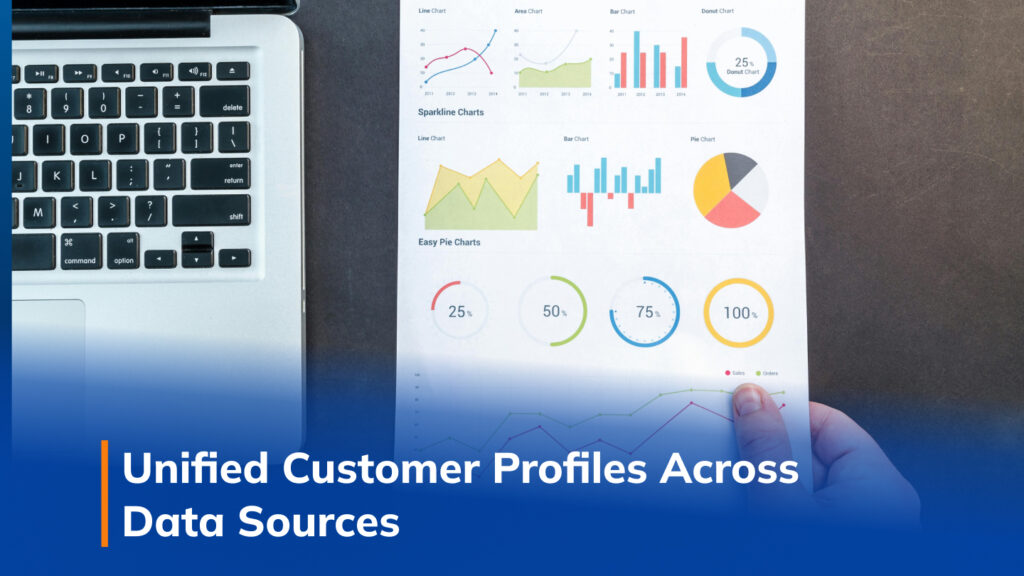
Many of the industry’s top rated CDP solutions for enterprises are powerful and feature-rich, but they are not always the right fit for smaller enterprises or growing businesses. While platforms like Adobe, Salesforce, and other large CDPs are built for scale, they often come with complexity, cost, and implementation demands that exceed the needs of smaller organizations.
These enterprise CDPs are optimized for large, global operations with extensive technical and support resources. They typically assume the company has dedicated data engineers, analytics teams, and long implementation cycles. In many cases, these platforms also come with higher licensing fees and complex setup processes that make them less accessible for smaller enterprises or those without deep IT and data resources.
In contrast, smaller enterprises often need solutions that deliver stable customer data infrastructure without heavy overhead. They require a system that ensures data is collected, unified, and usable without requiring an in-house team of data scientists or months of deployment work. Implementing an enterprise CDP out of the box can leave small teams overwhelmed, with valuable data sitting idle or under-utilized because it is too costly, too complex, or too rigid for their use cases.
and How SupremeTech Can Help Smaller Enterprises Build a Strong Customer Data Foundation

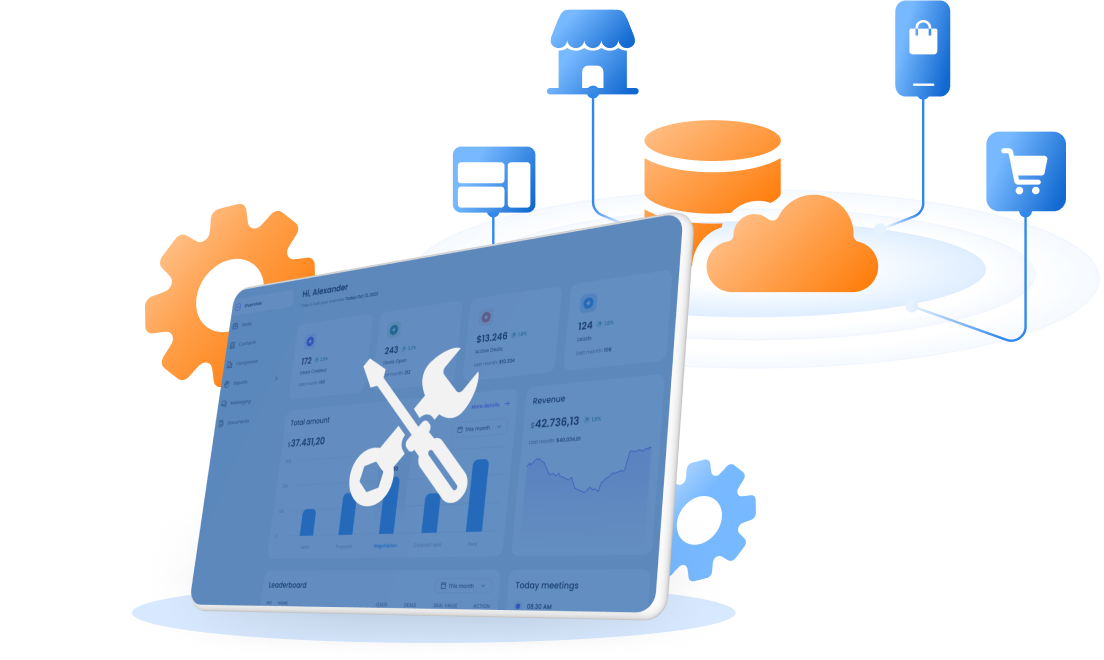
This is where SupremeTech can make a meaningful difference. Rather than pushing traditional enterprise CDP solutions that may not align with a smaller team’s resources or goals, SupremeTech offers Customer Data Pipeline Management that creates a stable, secure, and centralized customer data foundation tailored to the needs and scale of smaller enterprises.
SupremeTech focuses on two core areas:
- First, we build reliable data pipelines that consolidate fragmented customer data across multiple sales channels, ensuring it is unified and standardized before being used by CDP or marketing tools.
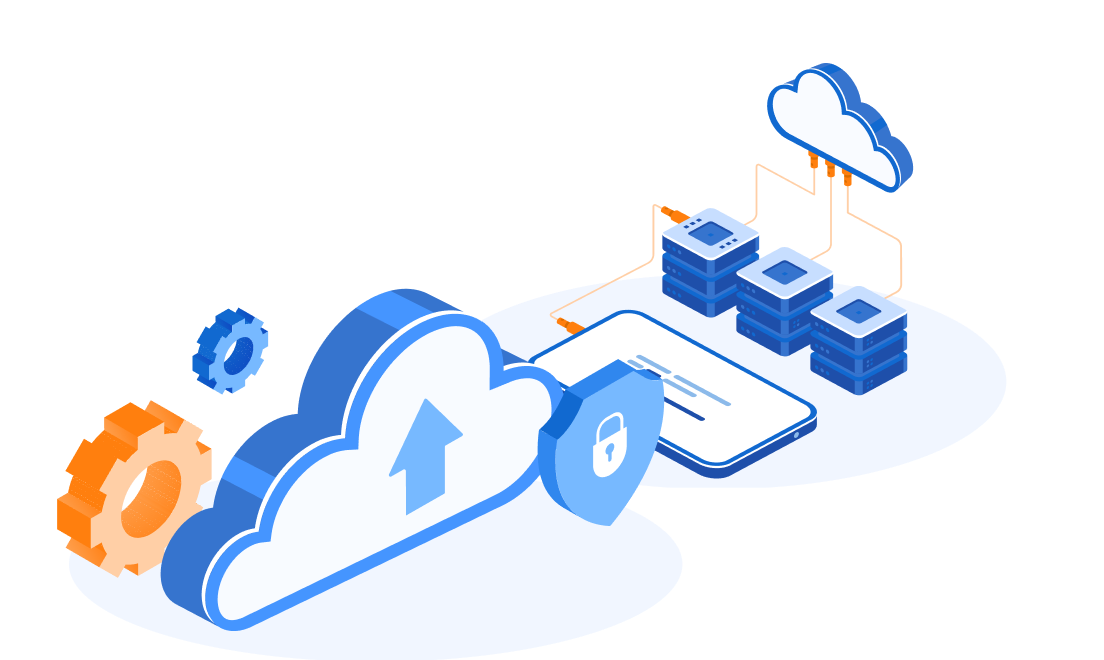
- Second, we handle secure data migration between systems or cloud platforms, helping businesses move or modernize their infrastructure without losing data integrity or disrupting operations.
SupremeTech’s customer data pipeline service is designed for enterprises that:
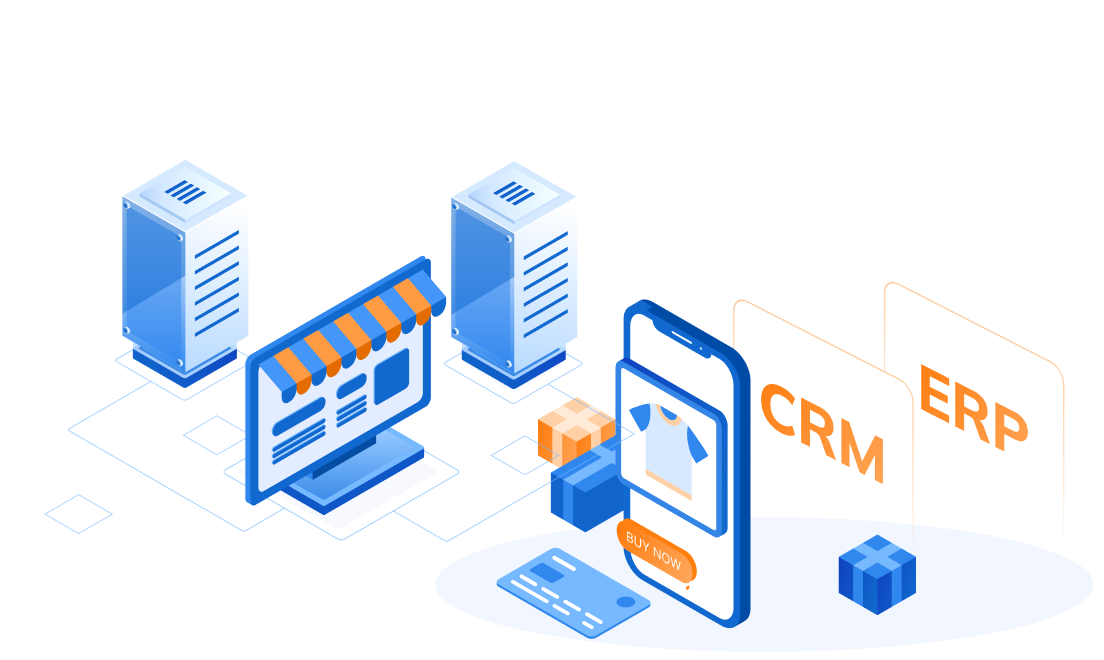
- Have data scattered across systems like POS, databases, mobile apps, and websites
- Need to manage and process customer data efficiently in cloud environments
- Need stable processing that handles large batches without error
- Want to avoid expensive external CDP licenses and long deployment cycles
- Need secure data processing with recovery options and manual re-runs
By ensuring customer data is collected and unified reliably, SupremeTech gives smaller enterprises the same kind of data readiness that large CDP users have but without the technical overhead, complexity, or cost of implementing a full enterprise CDP platform.
This approach not only makes data usable today but also allows smaller enterprises to grow into their data-driven future, whether they choose to adopt a full CDP later or continue using internal tools powered by clean, well-managed customer data.
Conclusion
Choosing one of the top rated CDP solutions for enterprises means looking beyond product lists and marketing claims. The right solution must align with your business goals, integrate with existing systems, support personalization and compliance, and scale as your enterprise grows. While many large CDP platforms are powerful, they may not fit every team’s technical or budget constraints. That’s why it’s crucial to evaluate CDP options against your specific needs and technology environment.
📩 Read more articles about us at our blogs.
☎️Contact us to see how we can support your loyalty app strategy.
A top rated CDP for enterprise use must unify data across systems, support real-time identity resolution, scale for high data volumes, enable omnichannel activation, and meet data privacy and governance requirements.
Enterprises invest in CDPs to break down data silos, achieve a unified customer view, improve personalization, and support data-driven engagement strategies that help reduce churn and improve retention.
Enterprises should evaluate CDP platforms based on data integration, identity resolution quality, real-time processing, security and compliance features, ecosystem compatibility, and how well the CDP supports tactical and strategic business goals.
Enterprises should prioritize real time data processing, AI powered insights, advanced segmentation, strong governance controls, and scalable infrastructure to handle large customer datasets.
A CDP improves ROI by enabling precise audience targeting, personalized campaigns, reduced data silos, and better customer lifecycle management.