







CDP and Marketing Automation, How Retail Brands Connect Data to Personalization
13/02/2026
297
For retail leaders, personalization is no longer a “nice to have.” Customers expect brands to recognize them, understand their preferences, and communicate in a relevant way. When personalization is missing or inconsistent, engagement drops and loyalty becomes harder to sustain. By combining CDP and marketing automation, retail brands can move from fragmented data and manual campaigns to data-driven, automated customer journeys.
In this article, we explain how cdp and marketing automation work, how they complement each other, and how retail brands can use them to turn customer data into meaningful personalization.
What Is CDP and marketing automation?
What Is a Customer Data Platform (CDP)?

A Customer Data Platform (CDP) is a system that collects and unifies customer data from multiple sources into a single, centralized customer profile. These sources can include eCommerce platforms, POS systems, loyalty programs, mobile apps, websites, and customer support systems.
The main role of a CDP is to answer a simple but critical question for retail brands:
“Who is this customer, and how have they interacted with us across all channels?”
Unlike CRM systems, which often focus on sales or service records, a CDP is designed to:
- Combine online and offline data
- Resolve customer identities across devices and channels
- Build continuously updated customer profiles
With a CDP, retail teams gain a reliable, shared view of customer behavior, preferences, and engagement history. This unified data layer is essential for personalization, analytics, and loyalty strategy.
What Is Marketing Automation?
Marketing automation refers to tools and systems that allow retailers to automatically deliver marketing messages based on predefined rules, triggers, or customer behavior. Common channels include email, SMS, push notifications, and in-app messages.
In retail, marketing automation is often used to:
- Send welcome messages to new customers
- Trigger abandoned cart reminders
- Deliver loyalty updates or reward notifications
- Run scheduled campaigns and promotions
Marketing automation helps teams work more efficiently by reducing manual effort and ensuring customers receive messages at the right time. However, without accurate and unified data, automation alone can lead to generic or poorly targeted communication.
Why CDP and Marketing Automation Work Best Together
cdp and marketing automation serve different but complementary roles. A CDP provides clean, unified customer data, while marketing automation uses that data to execute personalized communication.
Without a CDP, marketing automation often relies on limited or siloed data, which leads to:
- Inconsistent personalization across channels
- Duplicate or conflicting messages
- Poor segmentation accuracy
When cdp and marketing automation are connected, retail brands can:
- Create precise customer segments based on real behavior
- Trigger campaigns using accurate, real-time data
- Deliver consistent personalization across touchpoints
In short, cdp and marketing automation together enable retail brands to move from data collection to customer-centric execution.
How CDP and Marketing Automation Work Together in Retail
In modern retail, cdp and marketing automation complement each other to turn raw customer data into action-able personalization that boosts engagement, loyalty, and revenue. On their own, these systems serve different purposes: a CDP centralizes customer data, while marketing automation executes campaigns and triggers messages. Combined, they allow retailers to move from fragmented information to cohesive, personalized customer journeys across channels.
Unified Customer Data as the Foundation

A CDP first brings all customer data into a single place including transactional history, website behavior, loyalty interactions, and mobile app usage to build detailed customer profiles that reflect what each person does and prefers. This unified, real-time view eliminates silos that often make data unreliable or inconsistent.
Marketing automation tools are then powered by this unified data. Instead of working from isolated CRM or campaign data alone, automation platforms can access a 360-degree customer view from the CDP to trigger the right message to the right person at the right time. This means retailers can execute campaigns that feel relevant and timely rather than generic or reactive.
Real-Time Personalization and Triggers
When cdp and marketing automation are integrated, retail brands can set up real-time triggers based on customer actions. For example, if a shopper adds items to a cart but doesn’t check out, the CDP quickly updates that behavior and marketing automation can automatically send an abandoned cart reminder via email or mobile push. Similarly, browsing history or past purchases can trigger product recommendations or exclusive offers tailored to individual preferences.
This real-time personalization is made possible because unified customer profiles in the CDP reflect the latest interactions. Retailers can then use those profiles to feed automation workflows that dynamically adjust the message based on the customer’s current behavior.
Consistent Cross-Channel Engagement
Customers interact with brands across multiple touchpoints: online stores, physical retail, social media, email, and mobile apps. By connecting cdp and marketing automation, retailers ensure consistent engagement across all these channels. The same customer profile drives email campaigns today, a mobile offer tomorrow, and a loyalty program alert next week without disjointed data or conflicting messages.
This unified approach helps improve customer experience and reduces frustration that occurs when different systems present inconsistent messaging or duplicate outreach.
Putting It All Together
In summary, combining cdp and marketing automation allows retail brands to:
- Build rich customer profiles from multiple data sources
- Trigger personalized messages based on real-time behavior
- Deliver consistent experiences across channels
- Create automated journeys that respond to individual needs
- Reduce manual campaign work and drive performance
By enabling personalization at scale, CDP and marketing automation help brands deliver the right message, to the right customer, at the right time, which is the core of modern customer engagement and long-term loyalty growth.
Read more related blogs about CDP:
- Understanding Key Differences Between Customer Data Platform vs Data Lake
- What is Customer Master Data? Customer Master Data Management Best Practices
Business Benefits of Using CDP and Marketing Automation Together
When cdp and marketing automation are connected, retail brands move from siloed data and manual processes to automated, personalized marketing that delivers real business value.
Better Personalization Drives Engagement
A CDP creates a unified view of customer behavior by bringing data together from all channels. When marketing automation uses this unified data to trigger messages, offers and recommendations that reflect real customer behavior, engagement improves because communications feel relevant and timely. This helps increase conversions and deepen customer relationships.
Higher Efficiency and Faster Campaigns
Instead of manually pulling data and building campaign lists, marketing teams can launch automated campaigns based on real customer profiles. This saves time and improves team productivity while reducing errors associated with manual segmentation.
More Accurate Targeting and ROI
Unified data from a CDP allows marketing automation to target customers more precisely. This means better use of marketing budgets, higher return on spend, and campaigns that are more tightly aligned with customer needs and behavior rather than generic audience lists.
Consistent Customer Experience Across Channels
Retail customers interact with brands online, in apps, in email, and in stores. Linking CDP data with automated messaging ensures that the same customer is recognized and treated consistently everywhere. This strengthens the brand experience and reduces confusion or mixed messages.
Better Decision Making from Reliable Insights
A CDP gives teams a single source of truth for customer data. When this data feeds into marketing automation, leaders can better measure campaign performance, review customer behavior trends, and adjust tactics quickly. This leads to smarter investment decisions and continuous improvement.
How SupremeTech Supports Retail Brands With CDP and Marketing Automation
When retail brands invest in cdp and marketing automation, success does not start with campaign ideas. It starts with data infrastructure. If customer data is fragmented, unstable, or poorly secured, personalization and automation cannot work effectively.
SupremeTech focuses on solving this foundation problem through its Customer Data Pipeline Management service.
Building a Stable and Secure Customer Data Foundation
Customer data in most retail organizations is scattered across multiple systems such as POS, website platforms, mobile apps, internal databases, and manually exported files. This creates inconsistency, duplication, and operational risk.
In many cases, existing data processing systems are not stable enough to handle large volumes during peak hours. Errors can occur when data grows quickly or when processing jobs fail unexpectedly. As a result, even if customer data exists, it cannot be used effectively for loyalty programs, CRM activities, or marketing campaigns.
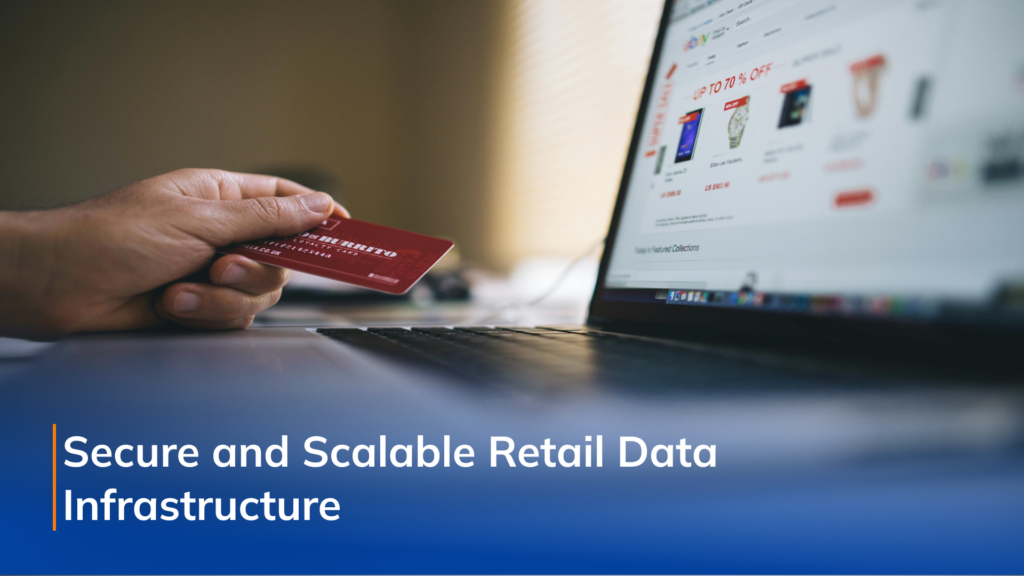
SupremeTech designs, builds, and operates end-to-end customer data pipelines that collect, process, and unify data from multiple sources into a centralized and consistent foundation. The focus is not on analyzing data or generating insights. Instead, SupremeTech ensures that:
- Data is collected completely
- Data is processed accurately
- Data is delivered in standardized formats
- Data is secure and recoverable
This allows the client’s internal marketing, CRM, and product teams to use the data confidently within their own CDP, CRM, or marketing automation tools.
End-to-End Data Pipeline Design
SupremeTech builds scalable data pipelines that support growing retail businesses. The pipeline typically includes:
- Data ingestion from POS systems, APIs, internal databases, or structured input files
- Large-scale batch processing to handle high volumes of transaction records
- Customer record unification into consistent, standardized profiles
- Performance optimization for fast processing and query efficiency
- Encryption at rest to ensure data security
The output is delivered in standard formats that are ready to be used by the client’s existing analytics tools, CRM systems, loyalty platforms, or marketing automation systems.
This structured pipeline ensures that cdp and marketing automation platforms receive clean, reliable data, which is essential for activation and personalization.
Reducing Operational Risk and Technical Burden
Without a well-designed pipeline, customer data can become a security and operational risk. Poor data governance increases the chance of data leaks, inconsistencies, and compliance issues.
SupremeTech embeds security and recovery mechanisms into the pipeline architecture. This reduces:
- Risk of data loss
- Risk of incorrect campaign execution
- Technical burden on internal IT teams
- Manual troubleshooting during peak business periods
Marketing and business teams can focus on loyalty programs and campaign execution, while technical teams are freed from constant data maintenance issues.
Conclusion
So, how do cdp and marketing automation connect data to personalization in retail?
A CDP collects and unifies customer data from multiple sources into a single, consistent foundation. Marketing automation then uses that unified data to trigger timely, relevant campaigns across channels. Together, they allow retail brands to move from fragmented communication to coordinated, data-driven customer engagement.
However, personalization does not begin with campaigns. It begins with a stable and secure data pipeline. Without clean, reliable, and accessible customer data, even the most advanced Ccdp and marketing automation tools cannot deliver real business impact.
If your retail organization is planning to strengthen its data foundation and enable effective activation through cdp and marketing automation, SupremeTech can help you design and operate a secure, scalable customer data pipeline that supports long-term growth.
📩 Read more articles about us at our blogs.
☎️Contact us to see how we can support your loyalty app strategy.
A CDP collects and unifies customer data from multiple systems such as POS, websites, and mobile apps into a single customer profile. Marketing automation uses that unified data to trigger personalized campaigns across channels like email, SMS, and app notifications. CDP manages the data foundation, while marketing automation manages customer communication.
Retail brands need both because unified data alone does not drive engagement, and automation without clean data leads to poor targeting. When cdp and marketing automation work together, retailers can deliver relevant campaigns based on real customer behavior, improving retention and conversion rates.
The biggest challenge is fragmented and unstable customer data. Without a well-designed data pipeline, CDP systems cannot maintain consistent customer profiles, and marketing automation tools may trigger incorrect campaigns. A strong data foundation is critical for success.
Personalization increases conversion rates, improves customer satisfaction, strengthens retention, and boosts overall marketing ROI.
Yes. Many cloud based CDP and automation solutions offer modular pricing models, making advanced personalization technology accessible to small and mid sized retail businesses.